

Shinjiro Koizumi’s quotes that make you do a double take! A slowly-sinking-in collection of uniquely original sayings


With his distinctive turns of phrase that make you tilt your head but somehow stick in your mind, Shinjiro Koizumi’s remarks have a curious charm: even if they initially make you go “huh?”, savor them and deeper meaning begins to emerge.
Dubbed the “Koizumi Quotations” or “Shinjiro-isms,” his words have sparked buzz online and entertained many.
In this article, we introduce Shinjiro Koizumi’s lines—from quips that make you chuckle to statements that actually hit the mark.
Come experience his unique worldview for yourself!
- Witty quotes by great figures and celebrities where wordplay shines even in brevity
- Cojicoji’s famous quotes: words that make you chuckle and gently lighten your heart
- The magical power of words that make people laugh! A collection of quotes that lighten the heart
- Both main and supporting characters are full of famous quotes! Memorable lines that color One Piece.
- Not just the main characters! Short quotes that add depth to anime works
- Quotes from the great actress Kirin Kiki, who gained popularity for her unique presence
- Short precisely because it sticks in your heart: witty, chuckle-worthy one-liners and quotes
- From surprising to cynical! Funny one-liners that make you laugh
- Words of love that tug at your heart. A moving message that will surely convey your feelings.
- Gems of famous quotes give us insights—words that move the heart and stir the soul.
- A collection of Doraemon’s quotes that instantly lift your spirits! Words that gently resonate with the heart
- That one line is sure to jolt you! Short but cool words
- All things you’d never imagine from his cute looks! Quotes from Snoopy
Shinjiro Koizumi’s quotes that make you do a double take! A slowly-sinking-in collection of original sayings (1–10)
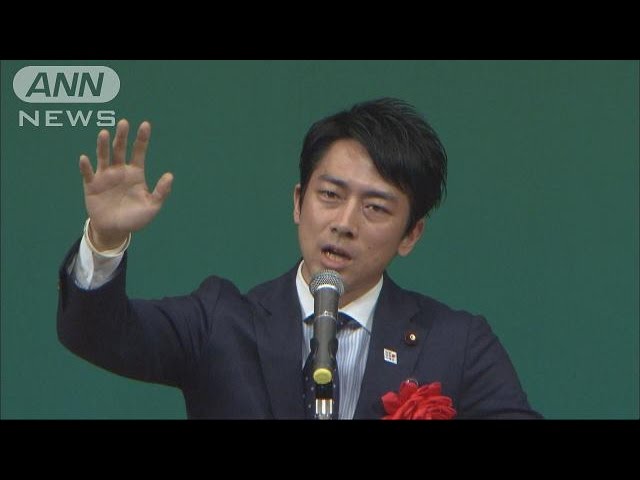
Japan with 100 million people and a world with 10 billion—let’s capture these ever-growing markets.Shinjiro Koizumi
Mr.
Shinjiro Koizumi sometimes utters phrases that you can’t quite grasp unless you chew on them slowly.
That instinct to verbalize an image just as it appears may connect to his father’s sense as well.
With these words, he probably means that instead of doing business for 100 million people at home, we should aim for the 10 billion people in the world, brand Japanese products, and send them out globally to reap greater economic benefits.
But when you hear it at first glance, there’s something that makes you go, “Huh?” This almost decoy-ship-like feeling may be exactly what we can call the Koizumi construction.

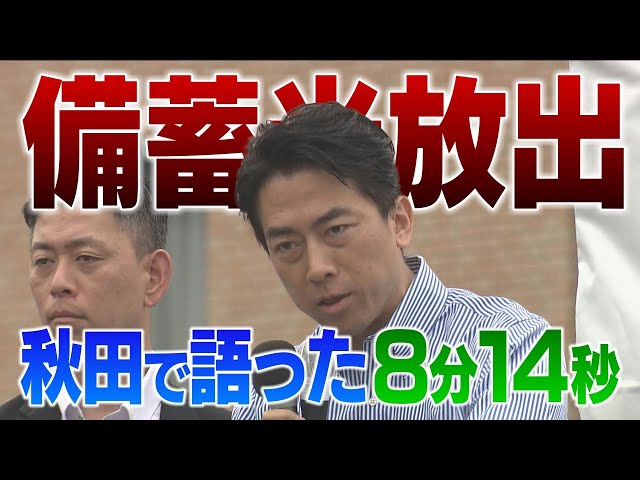
If I may be humble and say just this: at the very least, I think we’re the best of the bunch.Shinjiro Koizumi
Mr.
Shinjiro Koizumi is an honest person, and he sometimes speaks very straightforwardly, saying exactly what he thinks.
This might be one of the most representative examples of something he “just blurted out.” His comment, “To put it mildly, our party is the least bad,” is quite unique and could be considered a turn of phrase that’s very much his own.
Or perhaps he gets carried away and heated while giving speeches.
In any case, including that, it’s one of those remarks that hints at his candid, straightforward personality.
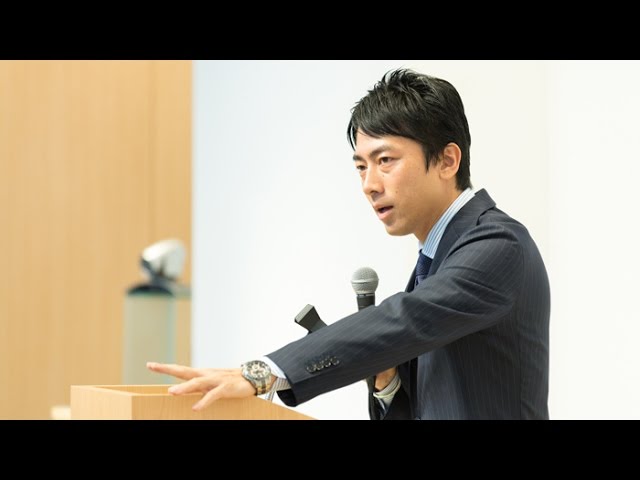
Words are born from experience.Shinjiro Koizumi
Mr.
Shinjiro Koizumi’s remarks often include nuances and turns of phrase that aren’t immediately clear to the average person.
That said, if you align your sensibilities with his, understanding them seems possible.
Put into terms ordinary people can grasp, it’s something like: once you fully live through an experience—down to the bone—the words you use gain a sense of authenticity.
It occurs to me that if Mr.
Koizumi had a simultaneous interpreter, everyone might be able to understand him right away.
Shinjiro Koizumi’s Quotes That Make You Do a Double Take! A Slowly Sinking-In Collection of Original Sayings (11–20)
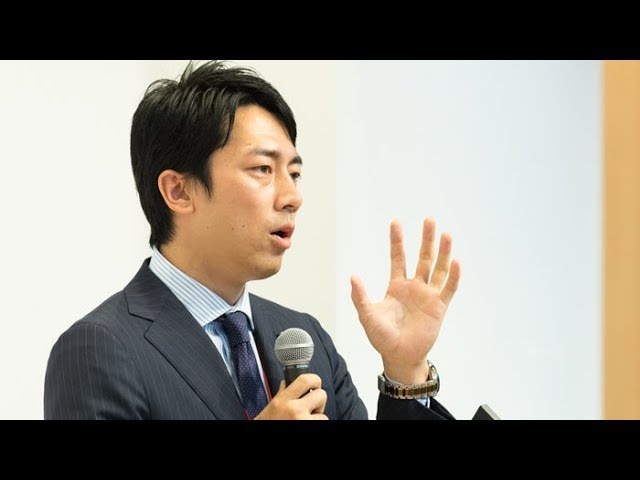
I consider the path of politics to be my chosen way of life.Shinjiro Koizumi
Mr.
Shinjiro Koizumi flatly states that he doesn’t consider being a politician a “job.” He thinks being a politician is a way of life.
Because it’s not a job, his interpretation is that his entire life is that of a politician—always on, with no off switch, constantly thinking about politics.
That uncompromising stance—refusing to be a politician for personal gain—is admirable, isn’t it? Although he sometimes startles people with puzzling remarks, this quote makes you feel he’s a passionate person who truly thinks about politics.
What I always keep in mind is to give my words a sense of warmth and weight.Shinjiro Koizumi

The expressions Mr.
Shinjiro Koizumi uses—“adding body temperature” and “adding body weight” to one’s words—mean giving your words emotion and weight.
“Body temperature” is about speaking with heartfelt warmth and a sense of human connection so that your words truly resonate with others.
“Body weight” is about showing the responsibility and significance behind what you say, conveying seriousness and trustworthiness to your audience.
In other words, rather than merely uttering words, you aim to deliver messages that resonate by infusing them with empathy and gravity.
It’s language that fosters deeper communication.

I’m shooting (a gun) head-on.Shinjiro Koizumi

Shinjiro Koizumi was angry at Prime Minister Abe and the mood within the party.
He was mocked for “shooting from behind” at members of his own party, but he made a courageous statement, saying that wasn’t the case—that even within the same party, he intended to confront people head-on.
Many probably felt that his youthful, strong sense of justice—saying no means no, even to his peers—was admirable and trustworthy.
We hope he won’t change that stance as he grows older.
It’s like this in many places in Japan: unless people are truly troubled, things won’t change.Shinjiro Koizumi

This phrase means that change or improvement tends to become necessary only when real difficulties or problems arise.
People and society often become satisfied with the status quo when nothing seems wrong, making change hard.
For example, in schools or companies, if there are no problems, they may be reluctant to adopt new methods or ideas.
It’s only after issues occur that they start considering new solutions or improvements.
The message is encouraging more people to stay aware and to seek change proactively to solve problems.
It conveys the idea that times of trouble are precisely opportunities to change.