

Shinjiro Koizumi’s quotes that make you do a double take! A slowly-sinking-in collection of uniquely original sayings


With his distinctive turns of phrase that make you tilt your head but somehow stick in your mind, Shinjiro Koizumi’s remarks have a curious charm: even if they initially make you go “huh?”, savor them and deeper meaning begins to emerge.
Dubbed the “Koizumi Quotations” or “Shinjiro-isms,” his words have sparked buzz online and entertained many.
In this article, we introduce Shinjiro Koizumi’s lines—from quips that make you chuckle to statements that actually hit the mark.
Come experience his unique worldview for yourself!
- Witty quotes by great figures and celebrities where wordplay shines even in brevity
- Cojicoji’s famous quotes: words that make you chuckle and gently lighten your heart
- The magical power of words that make people laugh! A collection of quotes that lighten the heart
- Both main and supporting characters are full of famous quotes! Memorable lines that color One Piece.
- Not just the main characters! Short quotes that add depth to anime works
- Quotes from the great actress Kirin Kiki, who gained popularity for her unique presence
- Short precisely because it sticks in your heart: witty, chuckle-worthy one-liners and quotes
- From surprising to cynical! Funny one-liners that make you laugh
- Words of love that tug at your heart. A moving message that will surely convey your feelings.
- Gems of famous quotes give us insights—words that move the heart and stir the soul.
- A collection of Doraemon’s quotes that instantly lift your spirits! Words that gently resonate with the heart
- That one line is sure to jolt you! Short but cool words
- All things you’d never imagine from his cute looks! Quotes from Snoopy
Shinjiro Koizumi’s Quotes That Make You Do a Double Take! A Slowly-Soaking Collection of Original Sayings (21–30)
Watching yourself speak on video is the best way to study communication.Shinjiro Koizumi
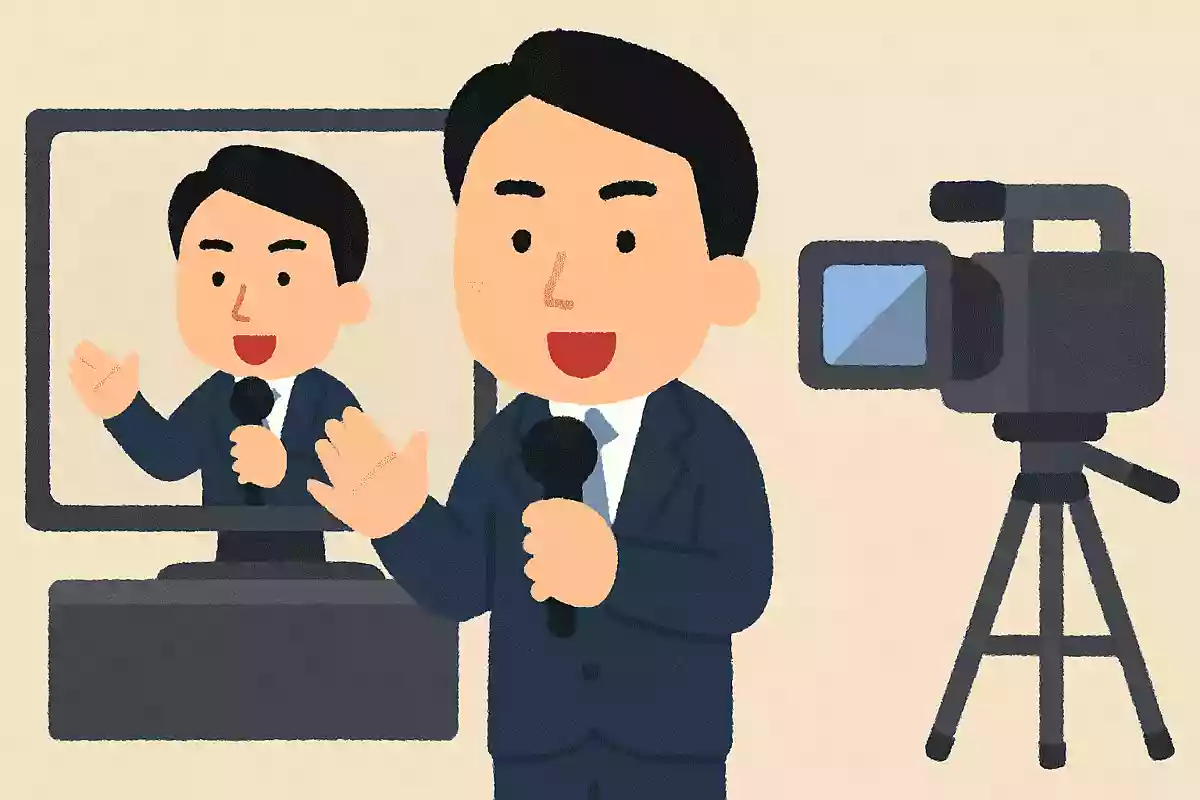
This statement highlights the importance of self-improvement.
He wants to convey that by reviewing video of himself while speaking, he can understand and improve his communication style.
Through video, he can objectively see how his words come across to others, allowing him to refine his manner of speaking and expression.
It underscores that self-feedback is essential for enhancing one’s communication skills.
The message is that this method can help you aim for more effective communication.

I said I’m reflecting on it, and I really am reflecting on it.Shinjiro Koizumi
There’s a Japanese word, “nidomi,” meaning a double take.
It’s when you glance at something once, can’t believe what you saw—or are so shocked—that you end up staring at it a second time.
How about you—have you done a double take recently? This phrase here is one that makes you want to do a double take too.
It’s one of those slightly chuckle-worthy lines you’ll always find listed in those “Shinjiro quotes” compilations online.
In normal Japanese, if a sentence continues with “~desu ga” (meaning “but/however”), what follows usually contradicts what came before.
The fact that it doesn’t, in his case—that’s what you might call the “Mr.
Shinjiro magic.”
I don’t think things can stay the way they are. That’s precisely why I believe Japan can’t remain as it is now.Shinjiro Koizumi
As one of the most well-known examples of the “Shinjiro structure,” this phrase drew particular attention in September 2019, when he was serving as Minister of the Environment and spoke at a UN summit.
Prefacing his remarks with “That’s precisely why” seemed to signal a further logical development, but many people likely felt a strong sense of dissonance when he simply repeated the first part of his statement.
At the same time, the phrase also conveys his earnest sense that “things can’t go on like this.” The fact that it continues to be such a talking point suggests that his uniquely humorous character is one factor behind his popularity.

Try everything at least once. The next time you do it, it’ll be your second time.Shinjiro Koizumi
It resonates especially with young people who feel anxious about taking on challenges.
Everyone gets nervous at first, and it’s natural to be afraid of failing.
But once you try, it becomes experience.
Thanks to that experience, the second time you can approach it with more confidence.
For example, you might feel your heart race the first time you share your opinion with friends.
But once you do it, you may think, “Oh, that went better than I expected,” and feel more confident.
The next time you present, having done it once already, you’ll feel less nervous and be able to speak more like yourself.
This message gently teaches the value of having the courage to just try and the joy of building confidence little by little.
I’ve been wondering how old I’ll be in 30 years ever since right after the disaster struck.Shinjiro Koizumi
These words convey, with a touch of humor, an attitude of thinking seriously about the future.
The idea of being mindful of one’s future and the time of one’s life from immediately after a major event such as a disaster shows the importance of maintaining a calm, long-term perspective even amid crises or difficult circumstances.
For younger generations as well, it’s a message that underscores the importance of acting not only to address the problem right in front of them, but also with their future and goals in mind.
Even when something major happens, asking yourself, “What will I be like 30 years from now?” may help clarify what you should do now.
Every day is something that happens day by day. That’s exactly why each day matters.Shinjiro Koizumi
It may sound obvious, but these words carry a message that’s truly important.
Each day might feel like mere repetition, but those very “days” stack up to become a life.
For example, going to school or a part-time job, doing a bit of studying or exercising every day may seem plain or bothersome at first.
Yet by continuing little by little, they become your strength and confidence.
This quote gently teaches us that even ordinary days can become special when we live them with care.
When you’re troubled by nerves, just relax with all your might.Shinjiro Koizumi
These are words that lighten your heart when you feel overwhelmed by pressure or anxiety.
When you’re nervous, both your body and mind tense up, and you can’t perform at your best.
In such moments, if you deliberately focus on taking deep breaths and relaxing, the tension can mysteriously melt away and you may naturally calm down.
For example, when your mind is about to go blank in your first interview, simply dropping your shoulders and thinking, “Alright, let’s enjoy this,” can steady your voice and help you convey your thoughts calmly.
This phrase doesn’t tell you to avoid nervousness; it gently teaches you how to accept it while skillfully letting go of excess tension.