

Four-character idioms of love that touch the heart: expressing deep affection in everyday words

How many four-character idioms about love do you know? Expressions like “相思相愛” (mutual love) and “依依恋恋” (lingering affection) have long captured people’s feelings of love and carry profound meanings.
The beauty of these words and the subtle shades of emotion hidden within them still resonate with us today.
In this article, we introduce commonly used four-character idioms related to romance.
You’re sure to discover words here that will richly color your own view of love.
- Become positive with four-character idioms that resonate with the heart! Common yet deeply meaningful words.
- Enrich your heart with beautiful four-character idioms! A collection of expressions you'll want to use in everyday life.
- Amusing four-character idioms you’ll want to use right away! A collection of expressions to remember as general knowledge.
- General: Four-character idioms that encourage determination—powerful, heart-stirring words
- [Four-Character Idioms] Impressive and Cool Sound! A Collection of Famous Quotes Worth Knowing as General Knowledge
- Surprisingly tricky! Check your general knowledge with a four-character idiom quiz
- Four-character idioms wishing happiness: a collection of heartwarming expressions for everyday use
- Four-character idioms that help you achieve goals! Phrases you can use in everyday situations
- [Kakizome] Four-character idioms fit for the New Year: Introducing words that resonate with the heart and their meanings
- [For Elementary Students] A Collection of Beautiful Four-Character Idioms to Know
- Quotes about love and romance. Words for those who are troubled by love or matters of the heart.
- Interesting four-character idioms for elementary schoolers! Words you'll want to use once you understand their meanings
- [Understand with four-character idioms] A psychology test that digs into who you are
Four-character idioms of love that resonate with the heart! Deep affection expressed in common words (21–30)
Late bloomer
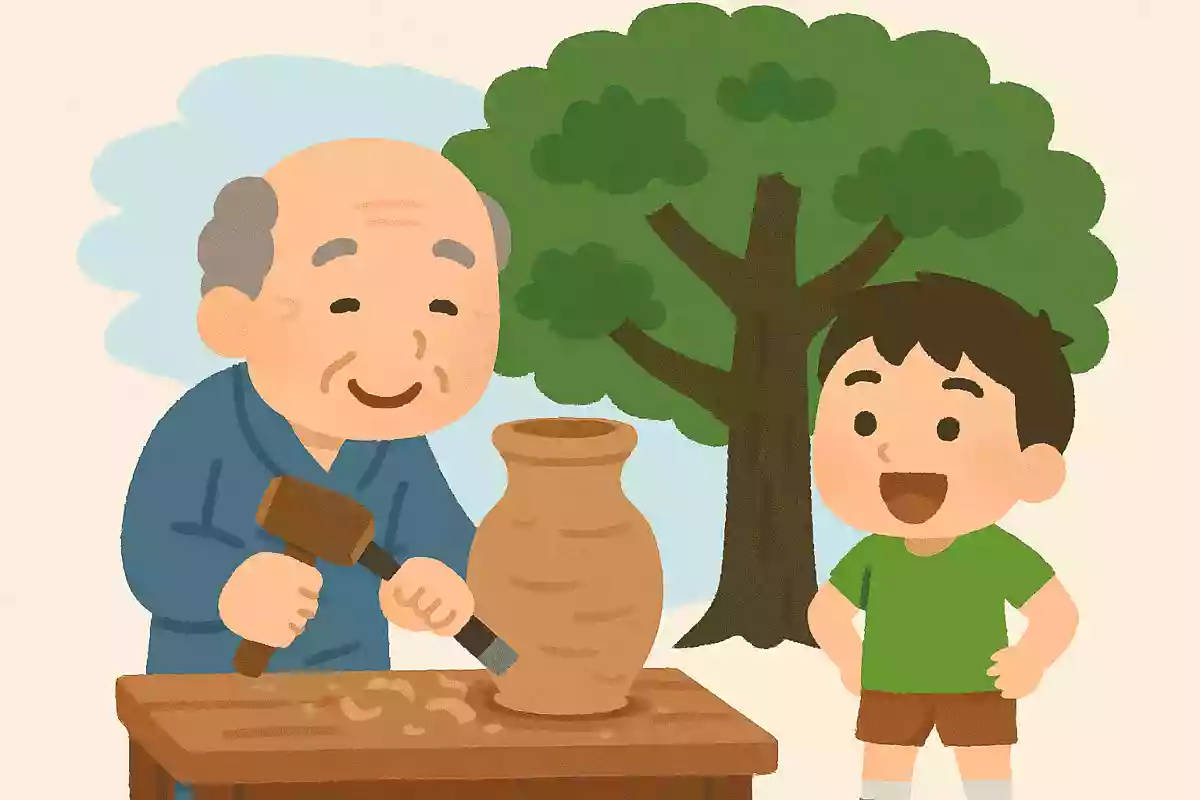
This four-character idiom expresses the idea that great talent and extraordinary people often go unnoticed in their youth and achieve greatness later than others.
Just as it takes time to craft a large vessel, it likewise takes time to shape a great person.
Its origin is said to come from the writings of Laozi, the ancient Chinese philosopher, which shows it’s a phrase with historical depth.
It also conveys a positive outlook: the fact that one hasn’t succeeded yet means they’re accumulating the ability needed for the future.

self-praise

This is a four-character idiom that describes praising or boasting about one’s own actions and thoughts.
It comes from the image of someone writing a poem or prose praising a picture they themselves painted.
People often confuse the characters for “painting” and “self,” so be careful.
Because it carries a strong negative nuance and is mainly used to criticize conceited people, you should use it with caution.
If you deliberately apply it to yourself, though, it can suggest that you’re moving forward in your own way and taking on challenges with confidence.
In conclusion
The four-character idioms imbued with the wisdom of our predecessors in love still resonate deeply in our hearts, even after many long years. These common idioms are filled with the feelings of people who have struggled in love or felt its happiness. Why not lose yourself in the charm of these words and let them bring to mind someone you long for?