

Singable Songs by Noriyuki Makihara: A Curated Selection of Masterpieces Perfect for Karaoke


From “Donna Toki mo.” onward, Noriyuki Makihara delivers the fleeting moments of everyday life and subtle shades of emotion wrapped in warm melodies.
His approachable lyrics and irresistibly singable melodies are part of the charm, and many people may be thinking they’d like to try them at karaoke.
In this article, we introduce relatively easy-to-sing songs from Makihara’s catalog.
We focus on pieces that fit comfortably within a natural vocal range and have a gentle tempo, so feel free to use this as a guide when choosing your next karaoke song!
- [Even If You're Tone-Deaf, It's Okay!] Easy-to-Sing Karaoke Songs and Practice Tracks
- Masaki Makihara’s famous and popular songs
- Karaoke songs recommended for men with low voices or who are good at singing in a low register
- [Even if you're not confident] Easy-to-sing songs for karaoke
- A must-see for low-voiced women! Popular songs that are easy to sing at karaoke
- [For People in Their 40s] Karaoke Songs That Are Easy to Sing: 2026 Ranking
- Even karaoke beginners can relax! Easy-to-sing songs for men
- GLAY songs that are easy to sing. Songs you can sing comfortably at karaoke.
- A collection of cool songs that sound great when sung by women, originally male songs
- Kazuhiro Hirai’s songs that are easy to sing. Songs I want to sing with emotion.
- Karaoke songs that are easy to sing even with a low voice (for women in their 30s)
- Noriyuki Makihara’s Tearjerker Songs, Cry-Your-Eyes-Out Tracks, and Popular Hits Ranking [2026]
- Koji Tamaki’s easy-to-sing songs: A roundup of tracks to try at karaoke
Singable songs by Noriyuki Makihara. Carefully selected masterpieces that feel great to sing at karaoke (1–10)
Winter is starting.Makihara Noriyuki
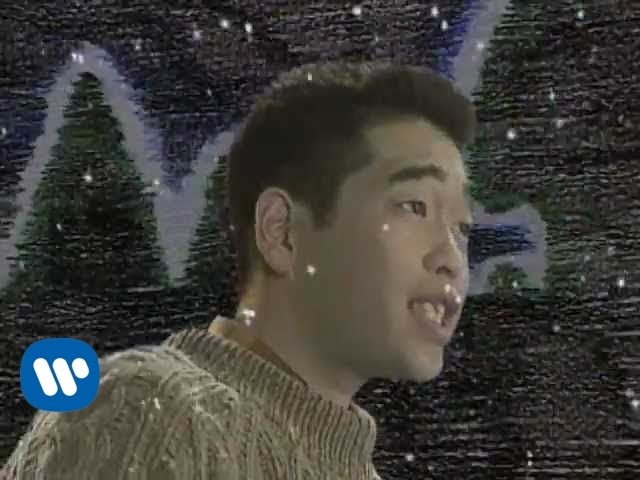
“Fuyu ga Hajimaru yo” is a perfect song for the season when you can feel the cold wind! His signature soothing melody and warm vocals will surely warm your heart even in the chilly winter.
The melody is easy to sing along to, making it a good choice for karaoke even for men.
If the key feels high, try adjusting it to a more comfortable range.
It’s also recommended for women, and in that case the original key should be easy to sing.
Give this classic, the kind you’ll want to listen to again and again in winter, a try and sing it yourself!

montageMakihara Noriyuki

This is the 17th single, released on October 29, 1997, and it served as the theme song for the NTV drama “Koi no Katamichi Kippu.” The lyrics, which liken the psychology of longing for someone you love to police composite photos, are distinctive, and the song is highly regarded for portraying the genuine romantic feelings of an introverted man.
With its light, lively sound and a slightly higher starting pitch, it’s best if you can lift your eyebrows firmly from the very beginning and sing with clear accents.
Imagine small, quick movements, and if you can get your whole body into the rhythm, it will be excellent—so try doing that right from the intro.
If your timing lines up, you’ll surely find it easier to sing.

Let’s hold handsMakihara Noriyuki

This song was written in September 2011 for the project “Te wo Tsunagou Daisakusen,” which aimed to bring smiles to areas affected by the Great East Japan Earthquake.
Its warm lyrics center on themes of bonds and kindness, and the project’s official website publishes the lyrics and sheet music.
The song itself has a bouncing rhythm and a light feel, so it’s best to sing it in a way that doesn’t get too heavy.
Try moving your body as if lightly bouncing upward while you sing.
It might also work to toss off the word endings, as if flicking them away.
Singable Songs by Noriyuki Makihara: A Curated Selection of Masterpieces That Feel Great to Sing at Karaoke (11–20)
An angel descended upon a hopeless me.Makihara Noriyuki

This is a hidden gem included on the 1996 album UNDERWEAR, known for lyrics that portray the real struggles and affection in a relationship—like a girlfriend hurt by her insensitive boyfriend’s behavior throwing an alarm clock.
It’s a fan favorite.
The song itself has a lively sound and a rhythmically sung vibe, and it seems like you could get tired if you don’t watch your breathing.
Instead of trying too hard, it’s probably best to keep time with your body and enjoy singing it.
Listening to it many times and memorizing the lyrics will likely make it easier to sing.
playing hookyMakihara Noriyuki

It’s one of Noriyuki Makihara’s signature hit songs, themed around “playing hooky,” something many working adults can relate to.
The song portrays the feelings behind skipping work or school without a reason, including a sense of loneliness.
The tempo is relaxed, so it seems like a song you can sing calmly.
Since there are spots where the pitch rises at the ends of phrases—a Makihara hallmark—try to produce those lightly without forcing it.
If you strain, you’ll end up pushing with your throat, so simply lifting your facial muscles or raising your eyebrows can help you stay relaxed.
Two WishesMakihara Noriyuki

It’s a song that reflects Makihara’s signature lyrical world—rather than a flashy love song, it cherishes the small moments of everyday life—and it’s a heartwarming track that wishes for the simple daily happiness shared with a loved one.
It has a good groove, so if you sing it rhythmically, both your chest voice and falsetto should come out comfortably.
Matching the timing is important; when your body’s groove and the moment you release your voice snap into place, your voice will come out naturally without needing to belt.
Also, be mindful of quickness, and try singing with a slightly accented attack at the start of each phrase.
Hungry SpiderMakihara Noriyuki

Written as the theme song for the drama “Labyrinth” starring Atsuro Watabe, it features a dark, mature worldview that likens loneliness and affection to a spider.
This single, which also includes an English version, marked a new frontier for Makihara.
With a fairly wide vocal range of C#3 to C5 and a good sense of tempo, it’s recommended to really ride the rhythm when singing.
The range isn’t consistently high, so you should be able to sing most of it in chest voice.
For the occasional falsetto parts, if you match the timing as you produce the sound, they should come out smoothly and feel good to sing.