

Singable Songs by Noriyuki Makihara: A Curated Selection of Masterpieces Perfect for Karaoke


From “Donna Toki mo.” onward, Noriyuki Makihara delivers the fleeting moments of everyday life and subtle shades of emotion wrapped in warm melodies.
His approachable lyrics and irresistibly singable melodies are part of the charm, and many people may be thinking they’d like to try them at karaoke.
In this article, we introduce relatively easy-to-sing songs from Makihara’s catalog.
We focus on pieces that fit comfortably within a natural vocal range and have a gentle tempo, so feel free to use this as a guide when choosing your next karaoke song!
Singable songs by Noriyuki Makihara. Carefully selected masterpieces that feel great to sing at karaoke (1–10)
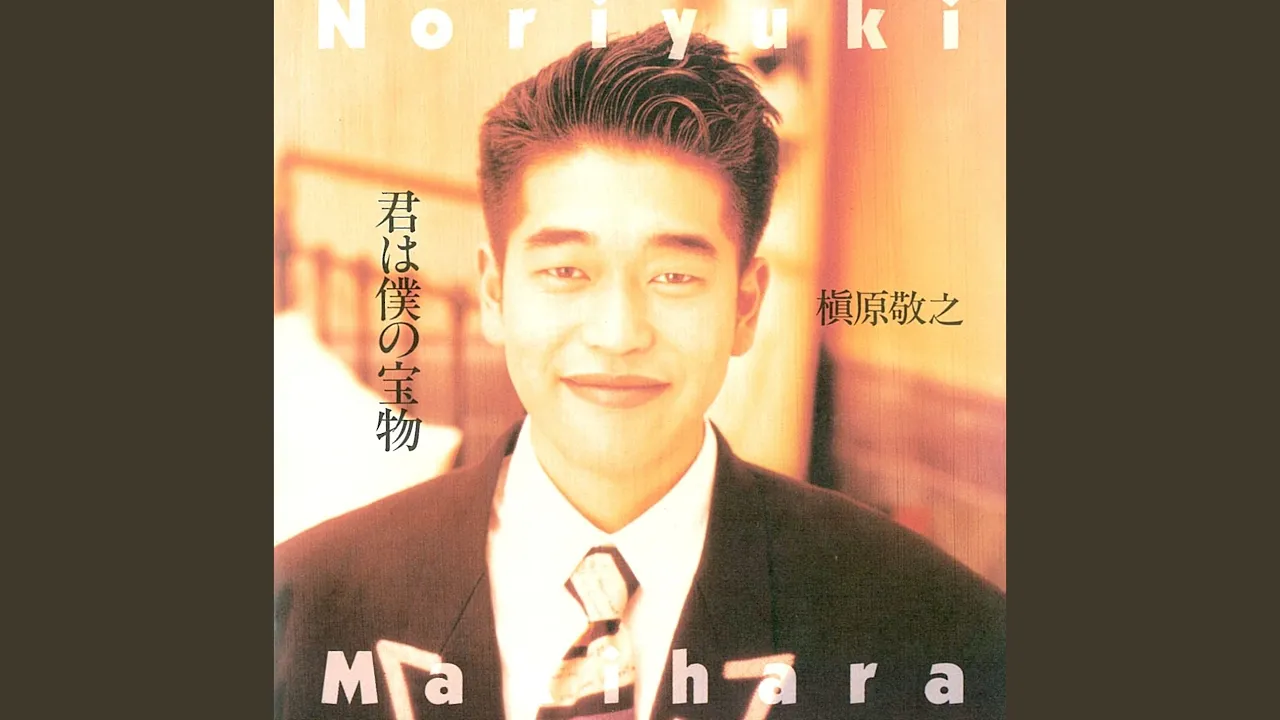
You are my treasure.Makihara Noriyuki

This is the title track from the third album released in 1992, a warm ballad that closes the album.
Including the smash hits “Mou Koi Nante Shinai” and “Fuyu ga Hajimaru yo,” this album is known as an early landmark work, characterized by delicate lyrics and gentle melodies.
It’s the opposite of an upbeat song, so its range is a calm E3 to F#4, which may make it easier to sing for those who struggle with high notes.
When you sing, be careful not to sing only with your lips—make sure to send your voice and breath forward.
Try singing while extending your hands forward from your vocal cords.

LOVE LETTERMakihara Noriyuki

It’s a deep-cut album track that was never released as a single, yet it enjoys immense popularity among fans.
It’s a bittersweet unrequited-love song about someone who’s leaving for far away, marked by four-on-the-floor piano and an arrangement that feels both light and wistful, evoking the scenery seen from a departing train.
The overall vocal range spans F#3 to A4, with the bridge (C section) reaching the highest and most climactic notes.
The melody line is simple, so even those unfamiliar with the song can pick it up quickly.
Its coming-of-age vibe makes it easy to sing at karaoke without feeling heavy.
Highly recommended.
The thing I wanted mostMakihara Noriyuki

This is the 32nd single, released on July 28, 2004, and it served as the theme song for the drama “Last Present: The Final Summer Living with My Daughter,” starring Yuki Amami.
It’s a self-cover of “The Gift,” which was provided to the British band Blue, and it’s a warm masterpiece that realizes that selfless love and contribution to others are truly “the thing I wanted most.” Someone practicing this song in vocal training struggled with the pitch at the end of the phrases in the A section—does it go up or down? It seemed a bit tricky to memorize.
The overall vocal range isn’t that high, so if you sing with resonance in your head voice, you might be able to deliver it smoothly!
her boyfriendMakihara Noriyuki

A song from April 1993, it marked a sudden shift in Makihara’s sound toward a more mature vibe.
Written, composed, and arranged by Makihara himself, it’s also included on his fourth album, “SELF PORTRAIT.” It’s a classic with an adult atmosphere that portrays, from a male perspective, the aching feelings of falling for a close friend’s girlfriend.
The overall vocal range is D#3–A#4, and since the A section sits quite low, be careful not to let your pitch drop too much.
Keep the resonance placement consistent, with both the head and chest resonating well.
Try guiding with your hands or focusing your gaze to help maintain it.
ANSWERMakihara Noriyuki

I love “ANSWER,” too.
Makihara wrote and composed it when he was 17, and it’s characterized by lyrics that depict a bittersweet, heartrending parting and by its piano melody.
When this song came together, he felt, “This is the kind of music I’m going to make from now on,” making it a foundational work for his music.
As for the song’s vibe, the first verse is sung quietly, and from the second verse onward it gradually builds.
Singing it in a natural chest voice works well, but using a soft falsetto can also convey the poignancy nicely.
As it builds, try singing with the image of sending your voice farther into the distance to keep your tone balanced.
For the word endings that trail off, let them fade away gently.
No.1Makihara Noriyuki

This is one of Noriyuki Makihara’s signature songs, which reached No.
1 on the Oricon weekly charts.
Set to a lively pop sound, it straightforwardly expresses love for a partner and has long been cherished as a wedding staple.
The overall vocal range is F3 to B4, so it’s not that high.
Since the chorus includes a switch to falsetto, try to sing in a relaxed state without tension.
In the final chorus, the key modulates and the range goes higher.
Rather than forcing it, aim upward and let your breath carry the sound.
chicken riceMakihara Noriyuki

It’s a cover of a collaboration song with Masatoshi Hamada that Mr.
Makihara himself composed, and it’s included on the 2006 album “LIFE IN DOWNTOWN.” In this version, where Mr.
Makihara sang chorus in the original, he takes the lead vocal, featuring a warm self-arrangement that has been highly praised by fans.
With Makihara singing, the sound has a gentle, effortlessly sung feel, so it seems fine to approach it with a light touch when you sing.
Try singing with a slightly higher, constantly resonant tone, keeping the sound ringing in your head.