

[Even If You're Tone-Deaf, It's Okay!] Easy-to-Sing Karaoke Songs and Practice Tracks


Have you ever hesitated when invited to karaoke, thinking, “I’m tone-deaf…”?If you struggle to stay on pitch, can’t hit high notes, or find rhythm tricky—don’t worry! As long as you choose the right songs, you can still have a great time at karaoke.In this article, we feature a wide range of tracks that are perfect for practice: songs with a narrow vocal range and simple melodies, easy-to-sing anime themes with relaxed tempos, and J-pop numbers that feel good for both men and women to sing.Find a song you can sing with confidence and have a blast at your next karaoke session!
- No worries even if you’re not confident in your singing! Simple, easy-to-sing songs for karaoke.
- No worries if you're tone-deaf! Easy-to-sing J-pop songs for karaoke
- [For women] Songs with a narrow vocal range that are easy to adjust the key for!
- Even if you’re tone-deaf, it’s okay! Easy karaoke songs for women
- Songs that make you sound good at karaoke
- [Karaoke] A roundup of songs that are easy for women to sing!
- Karaoke songs recommended for men with low voices or who are good at singing in a low register
- Even if you’re tone-deaf, it’s okay! Easy karaoke songs for men in their 40s
- [For Men] These Songs Will Make You a Better Singer! Tracks That Are Effective for Karaoke Practice
- Even karaoke beginners can relax! Easy-to-sing songs for men
- Even for those not confident in their singing! Easy-to-sing karaoke songs released in the Reiwa era
- [Enka] Songs That Are Easy to Sing Even for the Tone-Deaf [Male Singer Edition]
- [For Men] What Karaoke Songs Make It Easy to Score 100? A Curated List of Easy-to-Sing Tracks
[Even If You're Tone-Deaf, It's Okay!] Easy-to-Sing Karaoke Songs and Practice Tracks (81–90)
Traveler,Kayama Yūzō

Tabibito yo, sung by Yuzo Kayama, is a song whose subtly sorrowful, nostalgic melody leaves a strong impression and exudes a mature coolness.
It has a calm atmosphere and is very easy to sing.
It’s a recommended karaoke choice when you want to perform something gentle and heartfelt.
The Summer Without YouDEEN

This is DEEN’s 12th single overall, released in August 1997.
It was also used as the fourth ending theme for the Nippon TV anime Detective Conan.
As you’d expect from DEEN, who scored a string of big hits in the ’90s when “being often sung at karaoke” was a key condition for a song to become a hit, this track is also crafted to be very easy to sing and remember.
To aim for a high score, you’ll likely need to study the vocalist’s subtle phrasing in detail, but there aren’t any difficult parts, so definitely give it a try.
If you place the resonance so the sound hits the upper palate inside your mouth, you can produce a voice with lots of high-order overtones—a slightly sparkling tone—similar to the original singer.

Windy DayELLEGARDEN
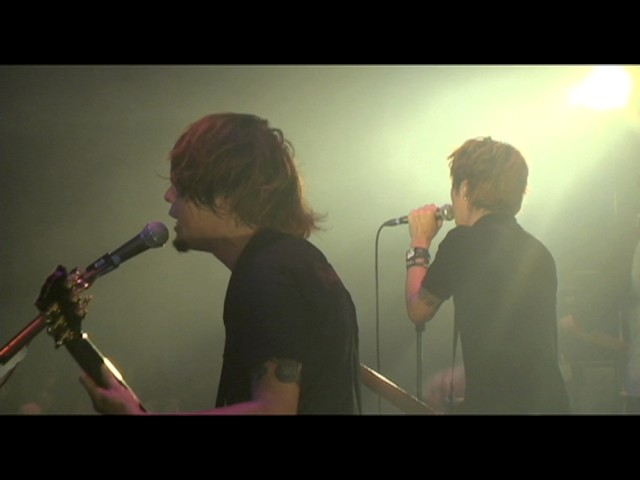
This is a song by ELLEGARDEN, a staple among Japanese rock bands, and it’s easy to sing in Japanese.
The memorable lyrics and cool melody make it a fun song to sing.
The key isn’t high, so it’s recommended even for people who have trouble hitting high notes.
SolaninASIAN KUNG-FU GENERATION

This song was produced as the theme for the film Solanin.
There’s also a memorable anecdote that it was composed by setting music to a song of the same name that appears in the original work the movie is based on.
While the sound has a distinctly band-like vibe, if you focus on the vocals, the words are laid out at a relaxed pace without being crammed in, so I think it’s a song you can sing without rushing.
The key doesn’t shift much up or down, giving the impression that it’s conveying the message of the lyrics.
If you sing in a calm way that communicates the meaning of the words, it might really bring out the atmosphere.

Ephemeral SongRADWIMPS feat. Suda Masaki
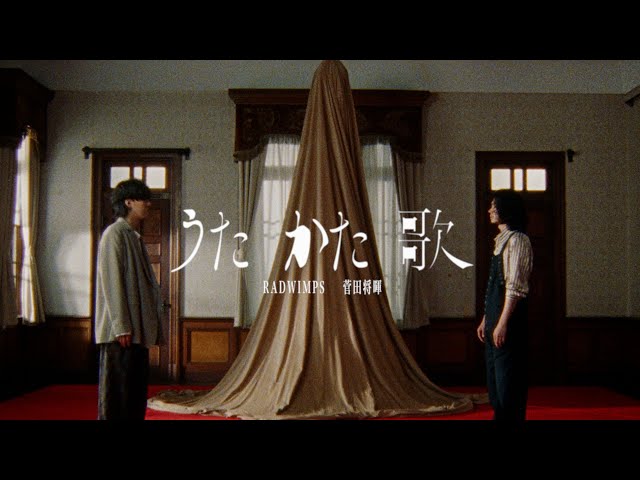
This song was the theme for the film “God of Cinema,” starring Masaki Suda.
Composed by Yojiro Noda of RADWIMPS—who also appears in the film as an actor—and featuring Masaki Suda as a guest vocalist, the lyrics strikingly reflect both of their roles in the story.
While it can be sung solo, it’s also recommended if you’re looking for a duet for two male singers.
The song doesn’t have many high parts overall and the vocal range isn’t very wide, making it relatively easy for anyone to sing.

POISONSorimachi Takashi

This is Takashi Sorimachi’s fourth single, known for his role as the fourth partner in the crime drama series “Aibou,” and widely supported as an actor.
The song was used as the theme for the TV drama “GTO,” in which he starred, and more recently it has regained attention as a “song that makes babies stop crying,” which many will remember.
The melody overall, including the chorus, progresses in a low register with little pitch movement, making it easy to sing.
However, if you naturally have a high voice, singing in the original key can be straining from start to finish, so we recommend adjusting it to a more comfortable key before singing.

[Even If You’re Tone-Deaf, It’s Okay!] Easy-to-Sing Karaoke Songs and Practice Tracks (91–100)
Emeraldback number

This is a song by back number that was also used as the theme for TBS’s Sunday drama “Dangerous Venus.” Basically, it’s a straightforward, upbeat track characteristic of a three-piece rock band—easy to understand and sing for anyone.
However, the challenging parts when singing it are the B-melody, where falsetto is used frequently, and the latter part of the chorus.
Being able to switch between different vocal techniques smoothly is a key point.
If you’re not comfortable with falsetto, it’s a good idea to lower the key.