

[Even If You're Tone-Deaf, It's Okay!] Easy-to-Sing Karaoke Songs and Practice Tracks


Have you ever hesitated when invited to karaoke, thinking, “I’m tone-deaf…”?If you struggle to stay on pitch, can’t hit high notes, or find rhythm tricky—don’t worry! As long as you choose the right songs, you can still have a great time at karaoke.In this article, we feature a wide range of tracks that are perfect for practice: songs with a narrow vocal range and simple melodies, easy-to-sing anime themes with relaxed tempos, and J-pop numbers that feel good for both men and women to sing.Find a song you can sing with confidence and have a blast at your next karaoke session!
- No worries even if you’re not confident in your singing! Simple, easy-to-sing songs for karaoke.
- No worries if you're tone-deaf! Easy-to-sing J-pop songs for karaoke
- [For women] Songs with a narrow vocal range that are easy to adjust the key for!
- Even if you’re tone-deaf, it’s okay! Easy karaoke songs for women
- Songs that make you sound good at karaoke
- [Karaoke] A roundup of songs that are easy for women to sing!
- Karaoke songs recommended for men with low voices or who are good at singing in a low register
- Even if you’re tone-deaf, it’s okay! Easy karaoke songs for men in their 40s
- [For Men] These Songs Will Make You a Better Singer! Tracks That Are Effective for Karaoke Practice
- Even karaoke beginners can relax! Easy-to-sing songs for men
- Even for those not confident in their singing! Easy-to-sing karaoke songs released in the Reiwa era
- [Enka] Songs That Are Easy to Sing Even for the Tone-Deaf [Male Singer Edition]
- [For Men] What Karaoke Songs Make It Easy to Score 100? A Curated List of Easy-to-Sing Tracks
[Even If You're Tone-Deaf, It's Okay!] Easy-to-Sing Karaoke Songs and Practice Tracks (1–10)
Ballad of a SingerSaitō Kazuyoshi
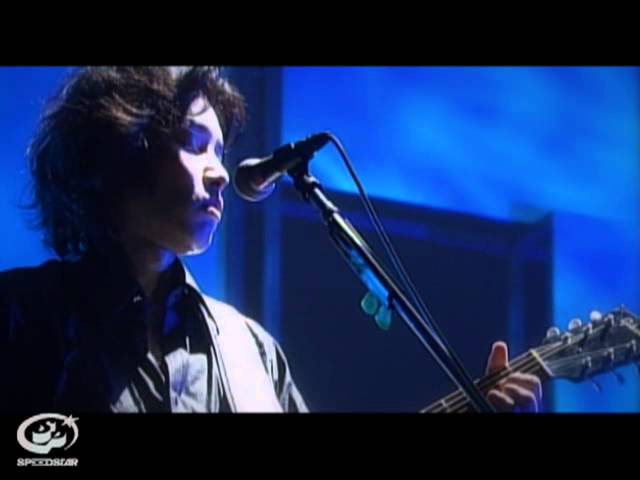
This is the 15th single by singer-songwriter Kazuyoshi Saito, who debuted with the catchy tagline “A four-and-a-half-mat room is too cramped.” The song was used as the ending theme for the music program COUNT DOWN TV, and it’s one of Saito’s signature tracks, known for being covered by many artists, including Bank Band.
With its slow tempo and sparse arrangement—and its broad popularity—it’s a perfect choice for people who aren’t confident at karaoke.
Rather than focusing on intricate melodies, it’s a Heisei-era masterpiece ballad where we hope you’ll concentrate on conveying the emotion in the lyrics.

Magical Syndromeyama

This is a pop, slightly bittersweet, magic-themed song born from a collaboration with “Magical Chiikawa.” If you feel tone-deaf, pitch matters, but the most important thing at first is to get into the rhythm.
I’d love for you to try a light, upbeat track like this.
The vocal range is set in a key that’s comfortable for women, and the chorus is sung mainly in a breathy head voice, so it should be easier to hit the notes.
When singing, resonating around the space between your eyebrows generally helps you stay on pitch.
Humming is key for that.
Take a deep breath using diaphragmatic breathing, then hum with a bouncy feel and you’ll find resonance comes easily.
Humming is a shortcut to your head voice.
If you hum a little every day, it will gradually stick.
Try it little by little!

The Story of the Wind and MeAdo
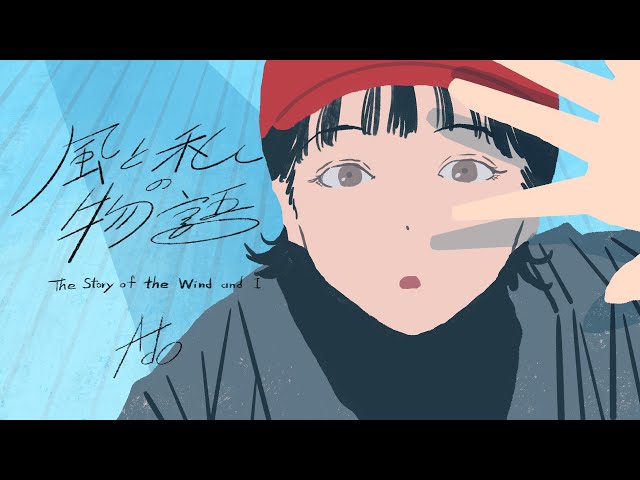
It’s a very dynamic song created as the theme for the film “The Silent Service: Great Battle in the Arctic Ocean,” with lyrics and composition by Hiroji Miyamoto and arrangement by Mafumafu.
Also, it features almost none of Ado’s signature intense shouts or high notes; since the vocals mostly sit in the low to mid range, it’s a song you can fully enjoy without focusing too much on technique.
When you listen, you can strongly feel Miyamoto’s distinctive style, and it’s easy to picture the scene as if he were the one singing.
For the verses and pre-chorus, aim to sing quietly as if speaking; then let it explode in the chorus to bring out the song’s appeal.
There are spots that use breathy falsetto and ad-libbed runs, so be mindful of diaphragmatic breathing to maintain your breath control.
[Even If You’re Tone-Deaf, It’s Okay!] Easy-to-Sing Karaoke Songs and Practice Tracks (11–20)
to youMONGOL800

They’re a rock band formed in Okinawa Prefecture in 1998.
This song is one of their signature tracks.
It’s an upbeat number, and the chorus repeats the same phrases, so the melody and tempo aren’t very difficult.
If you focus more on the rhythm than the pitch when you sing it, it’ll sound really cool.
Hikari TowaORANGE RANGE

This song was released in October 2025 and was created as the theme song for the film “Strawberry Moon: A Love with Six Months to Live.” ORANGE RANGE, who were hugely popular in the Heisei era, are back with a tearjerking Range for the Reiwa era! “Towano Hikari” is an emotional ballad following in the footsteps of “Hana” and “Love Parade.” The overall vocal range isn’t too high, making it easy to sing with feeling, so I highly recommend it.
Also, since ORANGE RANGE has three vocalists with divided parts, splitting the parts among singers is guaranteed to be fun! Speaking of Range’s ballads, I always love RYO’s part that comes in at the very end.
I’d love to hear that section sung with a cool, rich voice! Be careful not to strain your throat—lift your facial muscles and use plenty of breath.
I love youSuiyōbi no Campanella

This is the second season opening theme of the TV anime Ranma 1/2.
The lyrics emphasize catchy phrasing, including mahjong terms, so you’ll need to be mindful of the rhythm to memorize them—but once you lock into the groove, it’s very easy to sing! The key isn’t high, so it’s recommended for people who like rap-style tracks or who aren’t comfortable with big, belting songs.
When you sing it, focus on the bouncy backbeat; if you listen closely and keep it in mind, your body will naturally move with it.
The combination of Kom_I (Shiina) from Wednesday Campanella and a Chinese motif is a perfect match, so make sure to enjoy the music video as well!
swallowYOASOBI with Midorīzu

This song was released in 2021 as a digital-only single, and it was used as the theme song for NHK’s “Hirogare! Irotoridori” as well as the October–November 2021 selection on “Minna no Uta.” It’s a mid-tempo track around 100 BPM, easy to keep rhythm with, and you can sing it without overexerting yourself.
The vocal range is also set in a relatively comfortable key compared to other YOASOBI songs.
Since it was featured on NHK, it’s easy for children to sing, making it perfect for parent-child karaoke.
For the A melody, speaking-like delivery matches the mood, so you don’t need to worry too much about precise pitch.
For the chorus, singing lightly while swaying side to side should make it feel great to sing.