

[For Men] These Songs Will Make You a Better Singer! Tracks That Are Effective for Karaoke Practice


Have you ever found yourself getting better at singing without even noticing, just by belting it out at karaoke? In fact, the songs you choose for practice can make a big difference in how quickly you improve! Songs that help you build vocal fundamentals, songs with easy-to-catch pitches, songs that expand your range, and songs that train your sense of rhythm—each type has its own benefits for practice.
By the way, the reason I learned to hit high notes was simply because I kept singing the same song over and over without giving up! In this article, we introduce a wide range of tracks that are perfect as karaoke practice songs—ones that naturally boost your singing skills while you have fun.
If you’re thinking, “I want to sing better!” be sure to use this as a reference!
- [For Men] Mix Voice Practice Songs: Reference Tracks to Help You Hit High Notes More Easily
- Even karaoke beginners can relax! Easy-to-sing songs for men
- [Even If You're Tone-Deaf, It's Okay!] Easy-to-Sing Karaoke Songs and Practice Tracks
- Karaoke songs recommended for men with low voices or who are good at singing in a low register
- [For Men] What Karaoke Songs Make It Easy to Score 100? A Curated List of Easy-to-Sing Tracks
- Must-see for men: Songs that look cool if you can sing them at karaoke—numbers that women can’t help but be captivated by.
- Karaoke songs where even men with low voices can aim for high scores
- This is a sure hit! Hype songs men will want to sing as the first track at karaoke
- [For Men] This song is perfect for hyping up the crowd at karaoke!
- Songs Women Want Men to Sing: Popular Karaoke Picks Chosen by Girls
- Recommended karaoke songs for male vocalists with high voices
- [Enka] Songs That Are Easy to Sing Even for the Tone-Deaf [Male Singer Edition]
- [Men in Their 50s, Gather Up!] Classic Karaoke Crowd-Pleasers & Easy-to-Sing Hits
[For Men] These Songs Will Make You a Better Singer! Tracks Effective for Karaoke Practice (191–200)
Goodbye ElegySuda Masaki
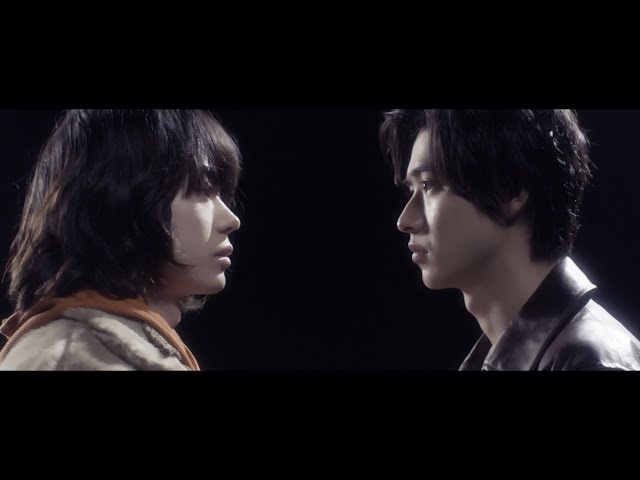
This is actor Masaki Suda’s third single, released on February 21, 2018.
It served as the theme song for the NTV drama series “Kiss That Kills.” In this track, Suda delivers a very youthful vocal performance that doesn’t rely on superficial techniques, conveying the song in a very straightforward manner.
That, in turn, seems to further enhance the appeal of the song’s upbeat, straight-ahead character.
Because the melody develops relatively simply, I don’t think it requires much technical skill to sing.
Precisely for that reason, it can be considered an ideal piece for practicing vocal expression, sense of rhythm, and groove.
If possible, memorize the lyrics and try singing as if immersing yourself in the world of the song.

CheersNagabuchi Tsuyoshi

This is a renowned song that has continued to resonate with many as an anthem celebrating life’s new beginnings.
Originally released in September 1980 on the album “Kampai,” it vividly depicts a celebratory scene lit by candlelight and carries a warm message of encouragement for a friend taking their first step forward.
Tsuyoshi Nagabuchi’s powerful vocals deliver hope and courage for the future.
In 1988, it was re-recorded and released as a single, becoming a major hit that reached No.
1 on the Oricon charts.
In the early 1990s, it was also featured in commercials for Kirin Lager Beer, further boosting its recognition.
To this day, it remains a timeless song passed down through the years, often chosen to convey heartfelt feelings to loved ones at important milestones in life, such as weddings and graduation ceremonies.
There’s always tomorrowUrufuruzu

Originally released as a major hit single by Kyu Sakamoto in 1963, the version I’m introducing here is the cover released by Ulfuls as their 21st single in February 2001.
The straightforward, classic Showa kayō-style melody is infused with Ulfuls’ rock flavor, making it very easy to sing for karaoke.
There are no extreme high notes or challenging melodic leaps, so it’s an excellent practice song for learning to trace the melody accurately.
It’s an ideal track as practice material for beginners who are thinking about getting into singing.
Re equation10-FEET

This is the 23rd single by the Japanese three-piece band 10-FEET, released in October 2023.
It was selected as the theme song for the drama “Fermat no Ryori” (Fermat’s Cooking).
I found the relatively broad-groove vocal track riding over the up-tempo backing track to be very comfortable and striking.
The vocal melody doesn’t use a particularly wide range, so I think it should be easy to sing for most men.
However, the most important point when singing this song is, above all, how well you can recreate the original song’s large, flowing groove of the phrases, and how skillfully—and fully—you can use the rests between phrases.
Be sure to listen carefully to the original and study how it uses “space in the vocals” before you try singing it.
[For Men] These Songs Will Make You a Better Singer! Effective Tracks for Karaoke Practice (201–210)
Bridge of Gloryyuzu

This song sings about the hardships and setbacks in life and the journey of overcoming them to grasp hope.
It beautifully depicts the light that awaits beyond tears no one sees and the sweat shed in silence, woven with melodies and words that resonate deeply with listeners.
Released by Yuzu in July 2004, the song was chosen as NHK’s official theme for the Athens Olympics and became etched in many people’s memories alongside the men’s team gymnastics gold medal moment.
Loved as an anthem cheering on everyone striving toward their goals, it delivers a powerful, heartfelt message that accompanies life’s pivotal moments—whether you’re taking steady steps toward your dreams or facing the walls that stand in your way.
one difficultyPenthouse

Penthouse is a band that continues to embody the city-soul genre.
Their vocalist, Shintaro Namioka, has a rich, husky voice that’s rare among contemporary Japanese artists.
Since many Japanese singers—both amateurs and professionals—tend to lack depth and power in their vocal production these days, mastering his singing style will help you stand out.
Among their songs, Ichinan is especially suitable for improving overall vocal ability: it spans a wide range and makes solid use of falsetto.

At the End of SorrowElefanto Kashimashi

Elephant Kashimashi’s classic “At the End of Sorrow.” Released in 1996, it’s a song that has stood the test of time and still resonates deeply with many listeners.
It’s also a prime example of a track that can help you improve your singing.
While recent songs tend to favor a soft, delicate delivery, this one is the complete opposite.
Its thick, powerful singing style is perfect for training volume and sustained notes.
You won’t learn fine-grained technique from it, but you will develop the belting approach—a skill many modern singers tend to neglect.