

Can You Read These? Quiz on Kanji with Many Strokes

When you’re studying kanji, have you ever thought, “This character is really hard…”?
Isn’t it true that what makes them feel difficult is often the sheer number of strokes?
In this article, we’ll introduce kanji and compounds with many strokes, as well as invented kanji, in a quiz format!
Even if they seem difficult at first glance, focusing on the large number of strokes can spark your curiosity and make them feel more fun.
It’s also enjoyable to figure out what the made-up kanji are supposed to say.
Give it a try!
- The world’s toughest! A collection of insanely hard-to-read kanji
- The world’s fewest: A collection of one-stroke kanji. Learn them in a quiz format!
- A quiz of interesting obscure kanji: characters that look easy but are hard to read
- A quiz on how to read obscure kanji: words that become difficult when written in kanji.
- Do you get tripped up too? A fun roundup of 10-time quiz questions
- One-character difficult kanji quiz: a multiple-choice (3 options) game to learn the readings of challenging kanji
- [For Elementary School Students] Country Names in Kanji Quiz. A quick, fun quiz
- Obscure fish kanji. Can you read them?
- [Hard-to-Read Quiz] Single-character difficult kanji — including surprisingly simple ones!
- How many can you read? A quiz on difficult kanji for foods
- What animal is this kanji? A quiz on difficult animal kanji.
- [Battle of Wits] Stimulate your intellectual curiosity! Quiz questions that get adults excited
- [Interesting] Summary of Kanji Reading Quiz Questions
Kanji with many strokes (1–10)
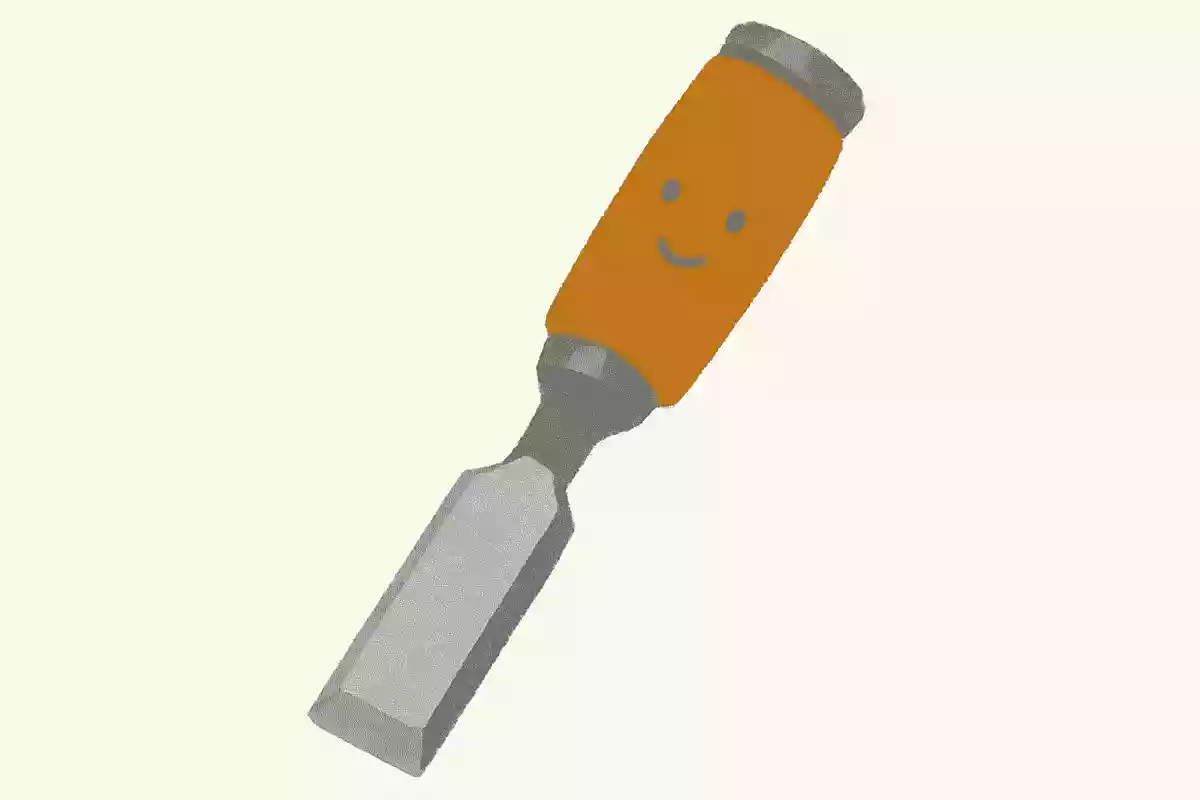
chisel
See the answer
spike/chisel; to bore (pierce, gouge)
The total stroke count is 28, and the radical is ‘metal.’ If you’re a carpenter or enjoy DIY, you might have gotten this one. This is the kanji for the tool ‘nomi,’ a chisel used to make holes in wood and the like. You probably won’t use the kanji often, but if you’re taking the Kanji Kentei, it’s worth remembering.

Creative kanji (1–10)
Shi◯◯
See the answer
shinzō [stroke count (786 strokes)]
This is an original kanji character designed by Taiyo Iiyama. Amazingly, it has as many as 786 strokes. Its reading, “shinzō,” is said to mean “I swear to God” in oiran speech. With that in mind, let’s take a closer look at the character.

bo◯◯◯
See the answer
bonnō [stroke count (108 strokes)
This is an invented kanji character that has become a big topic on social media. It was created by the artist Fudepoyo. It represents “bonnō,” the worldly desires that trouble the human mind and body. If you look closely, you can see elements scattered within the character that seem to be the sources of these desires.
Compounds with many strokes (1–10)
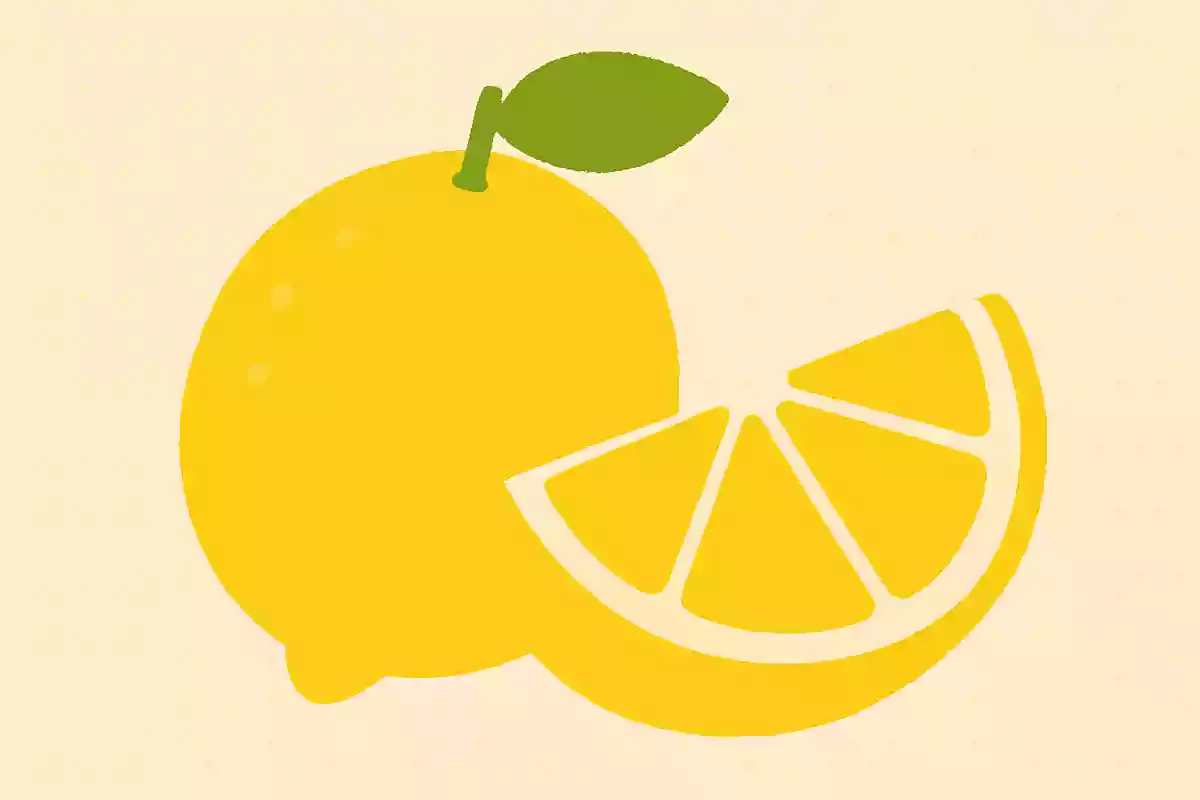
Lemon
See the answer
lemon
In fact, the origin of the word “lemon” is not well understood. When lemons were introduced to China, they came to be called “neimou.” The characters assigned to represent that sound are what we now write as 檸檬. It’s a kanji that often appears in quizzes, so take this chance to remember it.
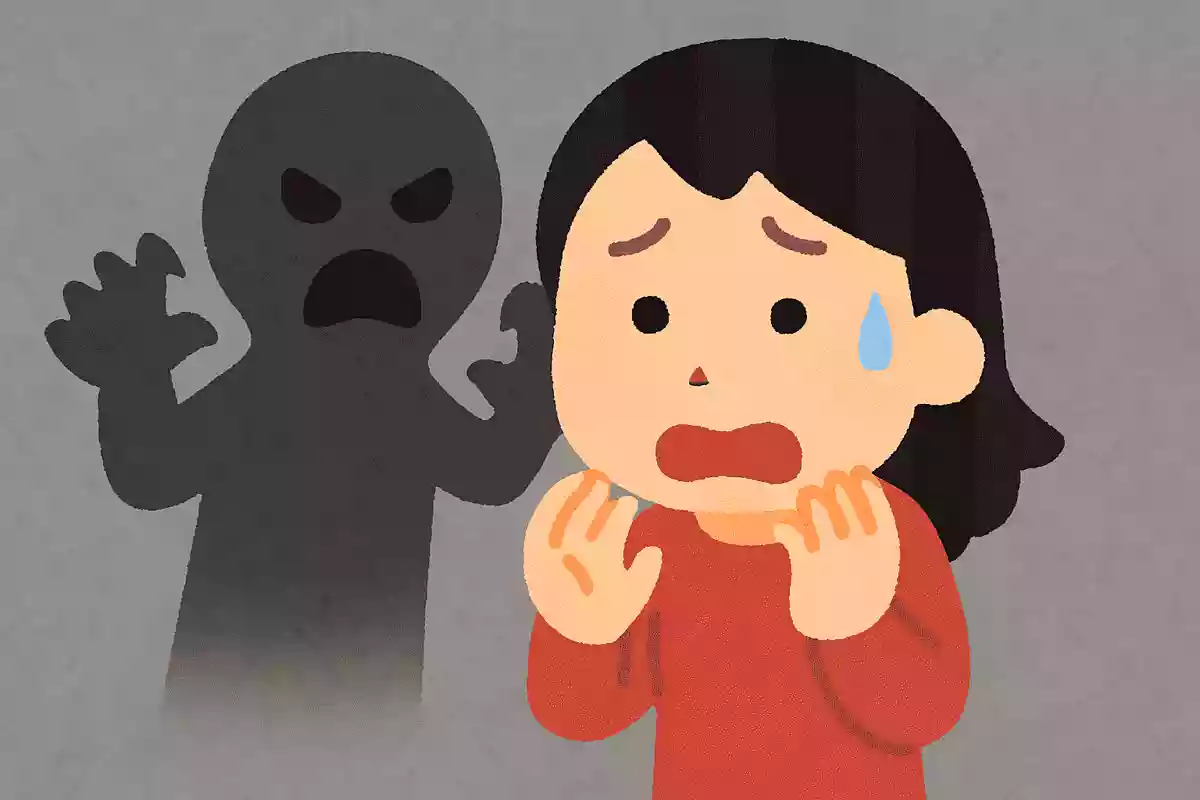
displeasure; frowning; disapproval (to draw reproach)
See the answer
disfavor
Hinshuku is a word that describes being disliked or shunned by others. In kanji it’s written as 「顰蹙」. The first character, 「顰」, means to knit one’s brows, and the second, 「蹙」, means to draw into wrinkles. In other words, it depicts the facial expression you make when you see someone you dislike.
filthy; squalid; narrow-minded; petty; mean; niggardly

See the answer
hustle and bustle; working busily; scrambling
Akuseku is a word that describes being busily on the move with no leeway. It’s used in expressions like “akuseku shiteiru” (to be hustling/bustling). Originally, it came from the word akusaku, which referred to having narrow gaps between the teeth, but over time it came to be used with its current meaning and pronunciation.
hale and hearty
See the answer
kakushaku
Kakushaku is a word that refers to someone who remains vigorous even in old age. Its exact origin is unclear, but it is said to come from something like a Chinese dialect. It became widely known after being used by Emperor Guangwu, the founding emperor of the Later Han dynasty.