

[March] A selection of famous march masterpieces played on the piano!

“March” refers to a march composition.
In the world of music—not just classical—there are countless masterpieces with the word “March” in their titles.
So, what kinds of marches are fun to play on the piano?
In this article, we’ve picked out march pieces from the classical repertoire that were written for piano, as well as orchestral marches arranged for solo piano.
We’ll introduce them along with performance videos and anecdotes about the pieces.
It might overturn the image of “march = full of energy”! Enjoy!
- [Piano Pieces] Easy for Children to Play! A Roundup of Simple Classical Works
- For Preschoolers to Elementary School Children: Challenging Piano Pieces — A Curated Selection from Competition Repertoire
- It’s so cool if you can play these on the piano! A selection of irresistibly charming masterpieces.
- [Classical Music] All pieces under 3 minutes! A collection of short and cool piano pieces
- [March] A curated selection of classic marches and dazzling crowd-pleasers for concerts!
- [Piano] A Lineup of Masterpieces | Piano Pieces That Evoke Spring
- Piano Masterpieces: Music you’ll want to listen to and play—beloved classic works
- [For Elementary School Students] Brilliant, Showy Masterpieces That Sound Impressive at Piano Recitals
- Play ballet music on the piano! A curated selection of exquisite masterpieces that color iconic scenes
- [Intermediate Level] A curated selection of piano masterpieces featuring strikingly brilliant melodies!
- [Mompou’s Piano Pieces] Introducing soothing masterpieces by a shy composer
- [Classical] Famous Piano Works | Gem-like Masterpieces You’ll Want to Play at Least Once in Your Lifetime
- [For Piano Recitals] Simple yet Cool Classical Pieces
[March] Pick up masterpieces of marches played on the piano! (1–10)
March from Children’s Music Book, Op. 69-1Dmitri Shostakovich

Dmitri Shostakovich, a renowned Russian composer, left significant works especially in the fields of symphonies, chamber music, and concertos.
While torn between political pressure and personal expression, he forged a complex and multifaceted style.
Among his works is the piano miniatures collection Children’s Notebook, Op.
69, composed between 1944 and 1945.
Opening the set is March, distinguished by its bright and accessible melody.
This piece, which also conveys Shostakovich’s affection for his own child, overflows with positive emotion, uplifting and encouraging its listeners.
Turkish March JazzFazil Say
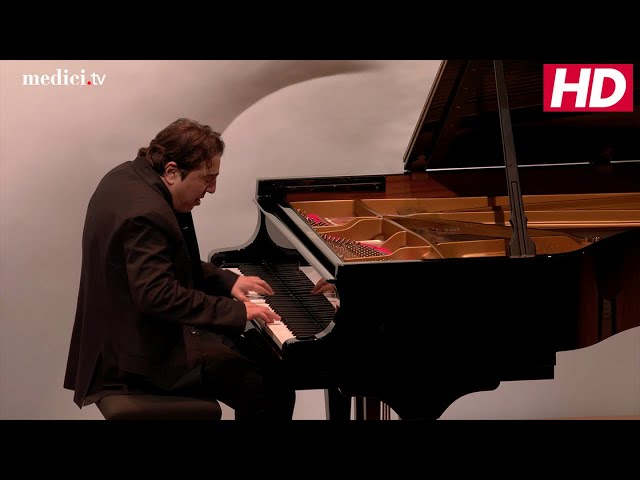
Fazıl Say is a Turkish-born pianist and composer who spans a wide range of genres from classical music to jazz.
In Japan, he is known for the catchphrase “A prodigy! A genius! Fazıl Say!” His piece Turkish March Jazz is a jazz-style arrangement of the third movement, “Rondo alla Turca,” from Wolfgang Amadeus Mozart’s famed Piano Sonata No.
11.
Just when you think the familiar melody has begun, it gradually transforms into Fazıl Say’s jazz-inflected world.
Skillfully blending Western classical music with Turkish local color and musical elements, the work is an ambitious and technically demanding piece.
Advanced players interested in a Turkish March with a distinctive twist should definitely give it a try!
Piano Sonata No. 2 in B-flat minor, Op. 35, III. “Funeral March”Frederic Chopin

Piano Sonata No.
2 in B-flat minor, Op.
35, composed by Frédéric Chopin.
Among its movements, the third is especially famous, affectionately known as the “Funeral March.” Its grave melody and rhythm leave a profound impression on listeners, making it a masterpiece among masterpieces.
The march was composed in 1837, and the entire work was completed in 1839.
At the time, Chopin was staying at George Sand’s manor, where he appears to have carried out the final touches.
The work consists of four movements, from Grave to Presto, and in each movement the composer’s musical genius is fully displayed.
It is also said that at Chopin’s funeral, this movement was performed in a string ensemble arrangement.
[March] Pick-Up of Masterpieces of Marches Played on Piano! (11–20)
Turkish MarchLudwig van Beethoven
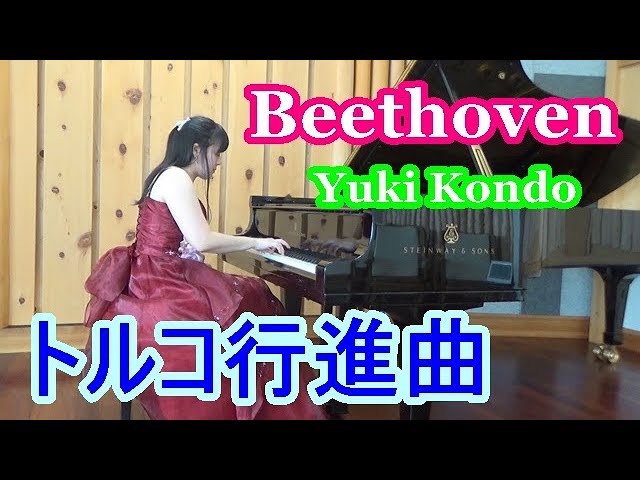
Ludwig van Beethoven was a composer who stood at the turning point from the Classical era to a new age of music.
The “Turkish March,” a section from The Ruins of Athens composed between 1811 and 1812, was influenced by the Ottoman military band, the Mehter, and is known as a representative example of a work that incorporates Turkish elements into Western music.
In addition to the orchestral version, the Turkish March has been arranged for solo piano and has long been beloved in arrangements by Anton Rubinstein and Franz Liszt.
Characterized by its bright and lively character, it’s a staple often performed at piano recitals.
If you keep a steady rhythm in the left hand while playing the bold, march-like melody in the right, it’s a piece that brings a smile to both listeners and performers alike.
March, BWV Anh. 122Carl Philipp Emanuel Bach

Carl Philipp Emanuel Bach, born as the second son of Johann Sebastian Bach, played a crucial role as a bridge to the Classical era.
“March, BWV Anh.
122” is a piece included in the Notebook for Anna Magdalena Bach, compiled for Bach’s wife.
Although it was originally attributed to J.S.
Bach, it is now considered a work by C.P.E.
Bach.
Despite its simple structure, the piece conveys the bright and lively character typical of a march.
From his works, one can sense the breath of a new era while inheriting the traditions of Baroque music.
It is a recommended piece for those who are beginning to feel comfortable with piano playing!
marchJeremiah Clarke

Jeremiah Clarke was an English composer and organist of the Baroque era, born around 1674 in London.
He is best known for the Trumpet Voluntary, also known as the Prince of Denmark’s March, composed around 1699.
This March is popular among beginner pianists and is frequently selected as a required piece in competitions.
Why not enjoy the elegant, noble marching character so typical of Baroque works?
18 Etudes Op. 103 No. 17 “March”Johann Burgmüller

Johann Burgmüller was a pianist and composer active during the German Romantic era.
No.
17, “March,” from his album 18 Etudes, Op.
109, imitates the rhythm and character of a march; through a strong sense of rhythm and dynamic accents, it evokes the image of marching soldiers in the listener’s mind.
While intended for technical training, the piece also serves as material that allows performers to pursue musical expression.
It is an ideal piece for piano learners to cultivate a sense of rhythm while aiming for performances that combine accuracy with expressiveness.
Burgmüller’s etudes are often featured in recitals and can be recommended to piano enthusiasts of a wide range of ages.