

Beginner-friendly: Easily playable Mendelssohn piano pieces. Recommended piano works.


Felix Mendelssohn, a German Romantic composer who was also active as a conductor, pianist, and organist.
While creating numerous masterpieces such as his Violin Concerto and solo piano works, he also worked energetically to revive the music of Johann Sebastian Bach and to found the Leipzig Conservatory, making him a figure who had a profound impact on the musical world of the 19th century.
In this article, we will carefully select and introduce some of Mendelssohn’s piano works that are relatively easy in difficulty.
With steady practice, you’ll surely be able to play them—so read on to the end!
- Piano Masterpieces: Surprisingly Easy Despite Sounding Difficult!? A Curated Selection Perfect for Recitals
- Lower difficulty: Not as hard as it sounds!? Debussy’s piano pieces
- [Intermediate Level] A curated selection of piano masterpieces featuring strikingly brilliant melodies!
- [For Adults] Recommended for Piano Recitals! A Curated Selection of Impressively Sounding Masterpieces
- Beginner to Intermediate: Chopin pieces with relatively low difficulty. Recommended works by Chopin.
- [Low Difficulty] Recommended Tchaikovsky Piano Pieces [Intermediate]
- Brahms Piano Pieces | A Curated Selection of Easier, Beginner-Friendly Works
- [For Piano Recitals] Simple yet Cool Classical Pieces
- [Piano Recital] Perfect Pieces for Middle Schoolers! A Curated Selection of Impressive, Audience-Pleasing Works
- [Easier Level] Ravel’s Piano Pieces | A curated selection of easier works you can play smoothly!
- Recommended Schubert Pieces to Play on Piano (Beginner to Intermediate)
- [For Elementary School Students] Brilliant, Showy Masterpieces That Sound Impressive at Piano Recitals
- [Piano Duets] Guaranteed to get the crowd excited! A roundup of recommended pieces
[Beginner-Friendly] Easy-to-Play Mendelssohn Piano Pieces. Recommended Piano Pieces (1–10)
Songs Without Words, Book II, Op. 30, No. 1: MeditationFelix Mendelssohn
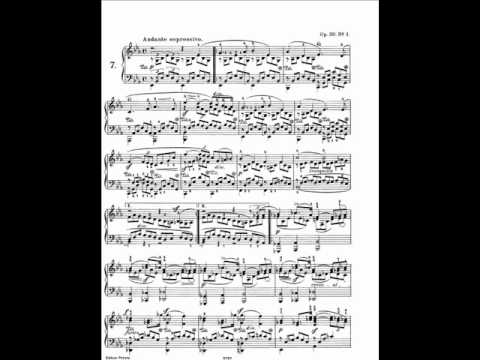
This work, notable for its slow and gentle melody in E-flat major, is one of the pieces from the Songs Without Words published in Bonn in May 1835.
Evoking the atmosphere of quiet meditation, it combines rich lyricism with relatively modest technical demands.
Cast in ternary form, it features a coherent structure and simple yet profound emotional expression, making it a valuable teaching piece for developing a pianist’s expressiveness.
It is an ideal choice for those looking to broaden their repertoire or seeking a calm, reflective piece.
Livia Rév’s 1986 recording received France’s Grand Prix du Disque and is highly acclaimed for its delicate interpretation.
Six Pieces for Children (Christmas Album), Op. 72: No. 2 in E-flat major, Andante sostenuto, MWV U 170Felix Mendelssohn

Composed as a gift for children at Christmas in 1842, Mendelssohn’s piano miniature is enveloped in a gentle, tender atmosphere.
Written in E-flat major, it features a delicate touch and refined harmonic progressions, and despite its brief length of 42 measures, it conveys a profound musicality.
Set at a relaxed Andante sostenuto tempo, its warmly expressive melody has a soothing charm.
Among the six pieces in this collection, it is particularly approachable, making it an ideal work for those just beginning piano study or for listeners interested in Romantic-era music.
Songs Without Words, Book 4, Op. 53 No. 1 “By the Seashore”Felix Mendelssohn

A quiet, poetically rich piano piece that evokes the gentle swell of waves and the murmur of a sea breeze.
Written in A-flat major, it was published in 1841 as the first piece of Album ‘Songs Without Words’ Book 4.
Its graceful sound world, woven from transparent harmonies and a beautiful melody, makes you feel as if a seaside landscape is unfolding before your eyes.
Though simple, it demands delicate expressiveness; with slow, careful practice, it can certainly be mastered.
It is an ideal piece for those who wish to practice in a relaxed atmosphere or to refine their expressive skills.
[Easy Level] Mendelssohn Piano Pieces That Are Easy to Play. Recommended Piano Pieces (11–20)
Seven Character Pieces, No. 6 in E minor “Sehnsüchtig (Full of Longing)”, Andante, MWV U 61Felix Mendelssohn

This short piece in E minor unfolds from the very beginning with a beautiful, chant- or song-like melody, delicately portraying a feeling of longing imbued with quiet passion.
Written by Felix Mendelssohn around the age of eighteen, it is notable for its transparent sonorities and subtle shifts in nuance.
The calmly paced melodic line is filled with the expressive richness and poetic quality characteristic of Romantic music, making it one of the most popular numbers in a set of seven short pieces composed around 1827.
Serene in atmosphere yet expressing a poignant ache beneath the surface, this work is recommended for those seeking a piece that can be played at a relaxed tempo, as well as for anyone wishing to experience the allure of Romantic music.
Songs Without Words, Book 4, Op. 53 No. 2 “Floating Clouds”Felix Mendelssohn

While the structure—melody in the right hand and accompaniment in the left—is simple, its flowing lines evoke clouds drifting across the sky, making it a beautiful piece.
Although considered intermediate in difficulty, careful, unhurried practice will certainly make it attainable.
Included in the album Songs Without Words, the work captivates with its graceful atmosphere and poetic expression.
It calls for the rich expressiveness characteristic of the Romantic era and a delicate touch, yet since its publication in 1841 it has remained a beloved classic.
With its gentle melody and rhythm, it’s a calming piece well-suited to home performance.
On Wings of SongFelix Mendelssohn

Felix Mendelssohn, a German Romantic composer known for his delicate music—he’s famous for pieces like the Wedding March, of course.
Among Mendelssohn’s works that beginners and intermediate pianists can tackle without too much difficulty, my top recommendation is On Wings of Song.
While it doesn’t have the complexity of pieces by Beethoven or Brahms, it delivers a high level of musical impact, and its blissful melody brings a sense of peace to listeners.
If you’re looking for a beautiful piano piece that’s both accessible to listen to and to play, give this work a try.

Wedding March from A Midsummer Night’s Dream, Op. 61 (incidental music)Felix Mendelssohn

The works of Felix Mendelssohn, a German composer who represents the early Romantic era, are known for honoring the classical style while embracing the emotions and imagination of Romanticism.
Incidental Music to A Midsummer Night’s Dream, Op.
61, published in 1842, is especially famous for its Wedding March, which is widely beloved as background music for wedding ceremonies.
The piece is characterized by its brilliant, majestic melody, evoking the joyous cries of fairies and the happiness of lovers.
Why not enjoy this masterpiece—expressing Mendelssohn’s dreamlike world through elegant melody—on the piano as well?