

[Karaoke] A Collection of Songs Whose Titles Start with 'Mo'

At karaoke, people sometimes set various rules, like singing songs by the same artist or choosing based on song titles.
One fun idea is to pick a letter from the Japanese syllabary and sing “songs that start with ___.”
In this article, we’ll introduce a selection of songs that start with “mo,” so feel free to use this as a reference for your next karaoke session.
Many of these tracks feature sentimental words like “moshi” (if) and “mou” (already/no longer), so it can be nice to think about the lyrics’ meaning or imagine the story as you sing.
Be sure to check out these “mo”-starting songs by artists who’ve been active from the Showa era through Heisei and into Reiwa.
- A compilation of Vocaloid songs with titles that start with 'Mo'
- Compilation of Vocaloid songs with titles starting with “Mi”
- Songs Women Want Men to Sing: Popular Karaoke Picks Chosen by Girls
- A compilation of Vocaloid songs with titles starting with 'Mu'
- A roundup of songs with titles that start with “Me” (Melody, Merikuri, and more)
- [For People in Their 40s] Karaoke Songs That Are Easy to Sing: 2026 Ranking
- [Karaoke] A collection of Japanese songs that start with “Mu”
- A collection of songs with titles that start with “Mi.” Useful for shiritori and karaoke.
- A compilation of song titles that start with “Ma”
- Songs with titles that start with “wo.” Useful as hints for karaoke and shiritori!
- Songs Men Want Women to Sing at Karaoke: Irresistible Tracks [2026]
- Songs with titles starting with 'O' [Great for karaoke and shiritori!]
- A compilation of Vocaloid songs with titles that start with “Me”
[Karaoke] A compilation of songs with titles starting with “Mo” (341–350)
General Theory of MoralsRejisutansu feat. Mora-jii

Mora-jii, a popular character from the Resistance, a YouTuber group known for their relatable sketch comedy, released the channel’s first original song, “Moral Gairon,” on November 10, 2023.
Its disco-style ensemble that evokes the 1990s feels refreshingly new.
The lyrics, which corner those who seem unmotivated, come off as high-handed yet can also be heard as a passionate message that rallies young people.
It’s a comical number with a faintly melancholic melody that becomes irresistibly catchy.

Further awayRemioromen

Known for their massive hits “Konayuki” and “March 9,” Remioromen is a three-piece rock band currently on hiatus.
This song is their 13th single overall, released as a double A-side with “Orchestra,” and it was used as the theme song for Fuji TV’s coverage of the Beijing Olympics.
The richly layered ensemble—blending band sound with strings—evokes the stories of people fighting on their respective stages.
It’s a lyrical rock tune whose powerful, encouraging message is truly stirring.
Mosaic Roll (DECO*27)Wotamin

Wotamin posted her first video in 2008 and is one of the real veterans among utaite singers.
She has covered many VOCALOID and anime songs, mainly on Nico Nico Douga.
Her clear yet powerful voice matches the lyrics of “Mosaic Roll” perfectly!
Ferocious solitude strikesichi ni san

It’s a song you’ll want to listen to in the summer.
As the title suggests, it feels like it expresses an inner struggle.
While savoring the loneliness of dusk and the melancholy of something coming to an end, it inspires a feeling of using that as nourishment to move forward with strength.
a heart that buds (with new feelings)ichi ni san

This track is by Hifumi, a Vocaloid producer who began composing in high school and calls his style “Pure Rock.” Created as the theme song for the character Amairo Kitsunegazaki in the smartphone game #Compass: Combat Providence Analysis System, it’s a catchy number featuring an ensemble that incorporates traditional Japanese instruments like koto and shakuhachi.
The fusion of Japanese melodies with a fast-paced band sound is bright and exhilarating, yet somehow evokes a sense of nostalgia.
It’s a superbly cute and catchy arrangement—a Vocaloid number that seemingly only a Japanese creator could craft.
Movin’ onSandaime Jē Sōru Burazāzu fromu Eguzairu Toraibu
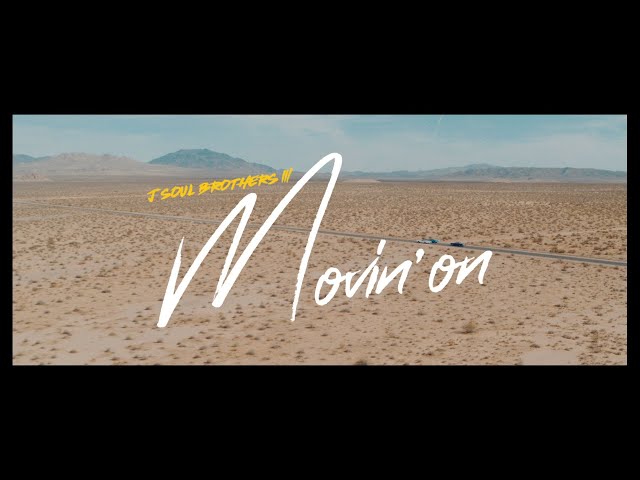
A track by Sandaime J SOUL BROTHERS from EXILE TRIBE, known for trend-packed dances that get everyone hyped, like the Running Man and the Ratata Dance.
The choreography featured here is aptly named the “Drive Dance”—the steering-wheel-like moves are easy for anyone to copy and make you want to give it a try! On member NAOTO’s YouTube channel, there’s also a video of the Drive Dance performed inside a car.
Be sure to check it out and dance along while getting into the driving mood!
Song of Momotaro the SamuraiMinami Haruo

Known as the theme song for the period drama “Momotaro Samurai,” this piece was released by Haruo Minami in 1976.
The lyrics were written by Minami himself, with music composed by Masaaki Hirao.
Positioned between enka and rōkyoku, incorporating elements of naniwabushi, the song prominently showcases Minami’s weighty and dramatic vocal style.
Its majestic melody befits a work depicting a hero who symbolizes Japanese tradition and justice, and the lyrics praising the dignified, imposing character of Momotaro Samurai leave a strong impression.
The drama, which aired 258 episodes over five years, made a lasting impact on viewers of the time.
Becoming one of Minami’s signature songs, this track is also recommended for fans of period dramas.