

The Royal Road of Jazz: Classic modern jazz masterpieces. Popular tracks you should listen to at least once.

Have you ever wondered what exactly people mean by “modern jazz,” a term you often hear within jazz? If you’re new to jazz and have that question, you’re not alone.
Modern jazz generally refers to the period spanning from “bebop,” which emerged in the mid-to-late 1940s, to modal jazz, which appeared in the late 1950s.
You could even call modern jazz the classic, mainstream form of jazz, and many of the genre’s most iconic albums and songs were created during the modern jazz era.
In this article, we’ve put together a selection of great modern jazz tunes.
If you’re thinking of giving jazz a listen, this is the perfect chance to check them out!
- [Start Here] Jazz Masterpieces: A Must-Listen Album Selection
- [For Beginners] Classic Modern Jazz Albums: Recommended Records to Start With
- [Western Jazz] A Special Feature on Standard Numbers You’ve Heard at Least Once
- [Jazz Intro] Classic Jazz Tracks Recommended for First-Time Listeners
- Jazz commercial songs. Popular commercial songs.
- Hall of Jazz: Classic Blue Note Records. Recommended jazz albums.
- Classic swing jazz tunes. Recommended popular songs.
- Start here first! Classic jazz-rock masterpieces. Recommended popular tracks.
- Famous Western jazz classics. Recommended popular songs.
- Ranking of Popular Jazz Songs
- [2026] Jazz piano masterpieces: from standards to recent favorites
- Introduction! A collection of recommended masterpieces and standard numbers for jazz beginners
- [2026] A Collection of Classic Japanese Ballads with a Jazz Flavor
The Royal Road of Jazz: Modern Jazz Masterpieces. Popular Songs You Should Hear at Least Once (51–60)
Blue ‘N’ BoogieDizzy Gillespie
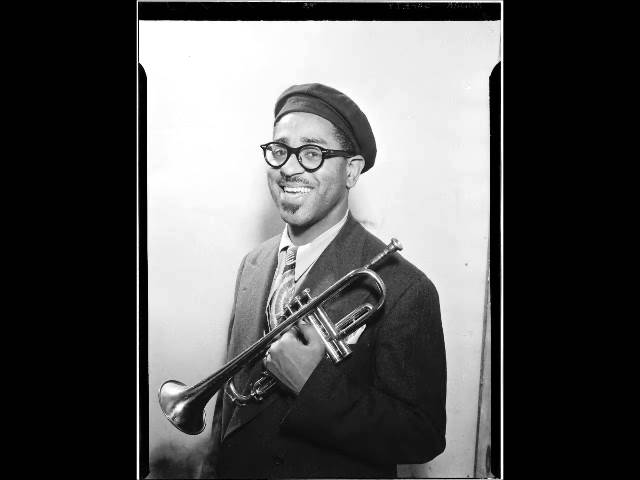
Known as a masterpiece that fuses bebop and blues, this piece is highlighted by Dizzy Gillespie’s vivid trumpet.
Composed in 1944 and recorded on February 9, 1945, it is deeply etched in the history of jazz.
Its swinging rhythms and energetic performance are irresistibly captivating.
After its release, it was covered by many jazz musicians and established itself as a standard number.
It’s recommended not only for jazz enthusiasts but also for anyone eager to explore a new musical world.
Ride the lively boogie-woogie rhythm and fully savor the charm of jazz!
Blues For MilesFreddie Hubbard

It’s a fairly recent piece.
Strictly speaking, it isn’t modern jazz, but it’s no exaggeration to say that modern jazz equals Miles Davis.
This is a tribute to Miles Davis.
It feels like a work that traces the history Miles traveled—blues, bebop, modal, free, and electric.
A track that showcases jazz’s flexibility.
Some might even call it chimera-like music.
Song for My FatherHorace Silver

A moving love letter dedicated to the father of jazz.
Known as one of Horace Silver’s signature works, this piece is a gem infused with deep love and respect for his father.
Its melody, skillfully incorporating elements of Latin jazz and bossa nova, gently envelops the listener.
Released in 1964 as the title track of the album of the same name, it has since been cherished by many jazz musicians.
The sound world woven by Silver’s piano touch and the band members’ exquisite performances offers pure bliss.
It’s a recommended track for moments when you want to reflect on memories with your father or listen with gratitude for someone special.
The CatJimmy Smith

“Sneaking on tiptoe”—you can feel the playful goings-on of the cats.
It’s the very epitome of organ (Hammond) jazz.
In the crossover era, Jimmy’s playing wasn’t bebop technique; he stuck, through and through, to “driving it home with the blues scale.” In America, jazz musicians are slangily called “cats.” It’s a wonderful melody that expresses the musician’s way of life.
With a cheeky “no way the wholesaler’s cutting a deal” vibe, it’s a comical, earthy tune I absolutely love.
Lullaby of BirdlandGeorge Shearing

Known as a timeless classic in jazz history, this piece was composed in 1952 by the blind pianist George Shearing.
Created as an homage to a legendary New York jazz club, it is said to have been completed in just ten minutes.
Featuring a gentle, soothing melody and romantic lyrics that liken lovers’ affection to birdsong, it has been covered by many jazz artists.
In Japan, it is also known by the title “Bādorando no Komoriuta” (Lullaby of Birdland).
This masterpiece is recommended not only for jazz enthusiasts but also for anyone seeking a romantic atmosphere.