

![[Great for speeches] Trivia and fun-fact quizzes recommended for morning assemblies](https://media.ragnet.co.jp/img/1200__png__https://www.ragnet.co.jp/files/2025/04/0f94a2ac371d2b23ec30ef1ac5f64879.webp)


I think many companies have systems like rotating responsibilities for morning meetings and weekly speeches.
For those wondering what to talk about this week and looking for topics that will capture everyone’s attention, we’ve gathered trivia and fun facts related to work, breaks, and productivity.
They’re presented in a three-choice quiz format, so if you pose them during the morning meeting and have everyone think about the answers, it’s sure to liven things up!
These are the kinds of facts that will make anyone say, “Wow!” once they hear the answer.
Feel free to use them as material for your morning meetings.
- Useful for workplace morning meetings! Recommended topics and trivia you can use for a one-minute speech.
- [Business Manners] Trivia Quiz Useful for Work
- Stimulate your intellectual curiosity! Fascinating trivia quizzes that you’ll want to share with others
- Useful right away in daily life! Surprising trivia and handy tips
- A quiz of fun trivia: bite-sized knowledge that leads to new insights.
- Surprisingly unknown? A fun health trivia quiz that will make you want to try it
- Coffee Trivia Quiz: A one-stop introduction to lots of fun facts
- [Interesting] Compilation of Trivia Quiz Questions
- [In a Short Time] Icebreakers and Fun Games That Shine at Morning Meetings
- So interesting you’ll want to tell someone! December Trivia & Fun Facts Special
- [Killing Time] A Collection of Fun Trivia Quizzes You'll Want to Share with Someone
- How many can you get right? A tricky 3-choice trivia quiz you'll want to tell someone about
- Fun Quiz Questions That Will Liven Up the Office [2026]
[Also for speeches] Recommended trivia and fun-fact quizzes for morning assemblies (1–10)
How can I stop a yawn when I feel one coming on?
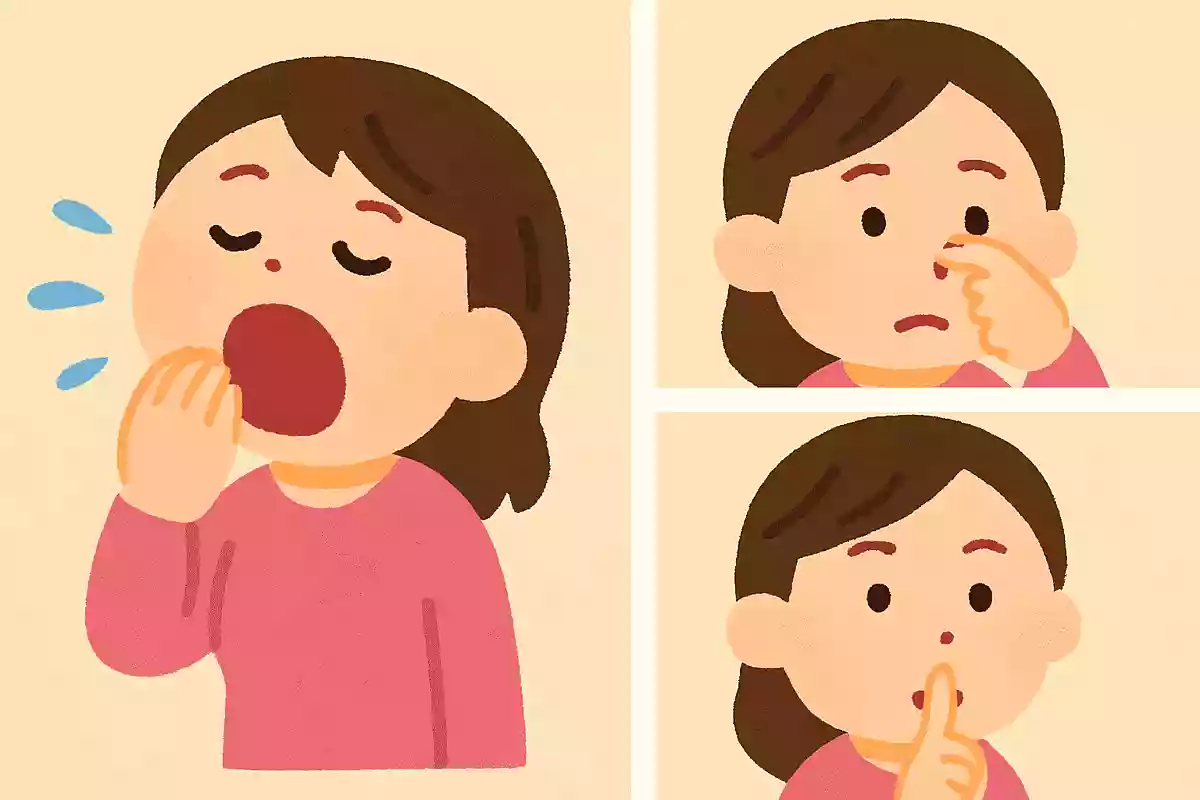
- Take a deep breath
- hold your breath
- lick the upper lip with the tongue
There are times in meetings and similar situations when you feel a yawn coming on, right? In those moments, it’s said that licking your upper lip with your tongue can stop the yawn. Sticking your tongue out too much can be awkward, so try quickly and lightly licking the inside of your upper lip!

What is the statue “The Thinker” doing?
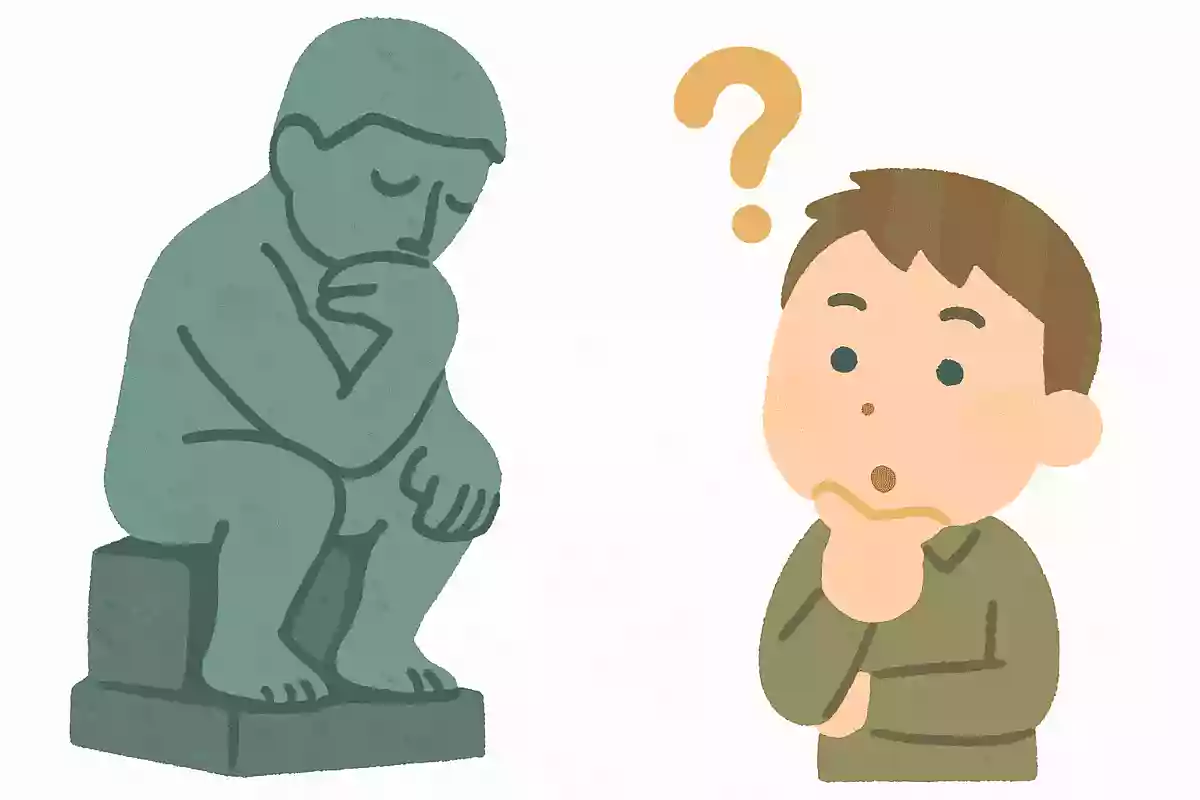
- I'm having a hard time because I have so many worries.
- Sitting and deep in thought.
- Watching someone fall into hell
See the answer
Watching someone fall into hell
Auguste Rodin’s famous sculpture The Thinker depicts a man with his hand to his chin, leaning forward, lost in deep contemplation. Contrary to what the title suggests, however, it is said that he is actually gazing at people descending into hell. So he only looks like he’s thinking—but isn’t?
What phrase is ‘moshi moshi’ an abbreviation of?

- I humbly say, I humbly say.
- I'm sorry, I'm sorry.
- If, if
See the answer
I humbly say, I humbly say.
The phrase “moshi moshi,” often used when answering the phone, is a shortened form of “moushimasu, moushimasu” (“I speak, I speak”). It originated from telephone operators, who used to say it as a signal meaning “We’re about to begin speaking” when connecting a call.

Why are the drinks in convenience stores located at the back of the shop?

- To prevent theft
- to encourage them to look around at other products
- To avoid the noise from the refrigerator
See the answer
to encourage them to look around at other products
The main reason convenience stores place the drinks section at the back is to have customers walk through the store and see other products, encouraging them to buy more. By making people walk, they have more chances to pick up unplanned items, which can ultimately boost sales. Haven’t you fallen into this trap too?
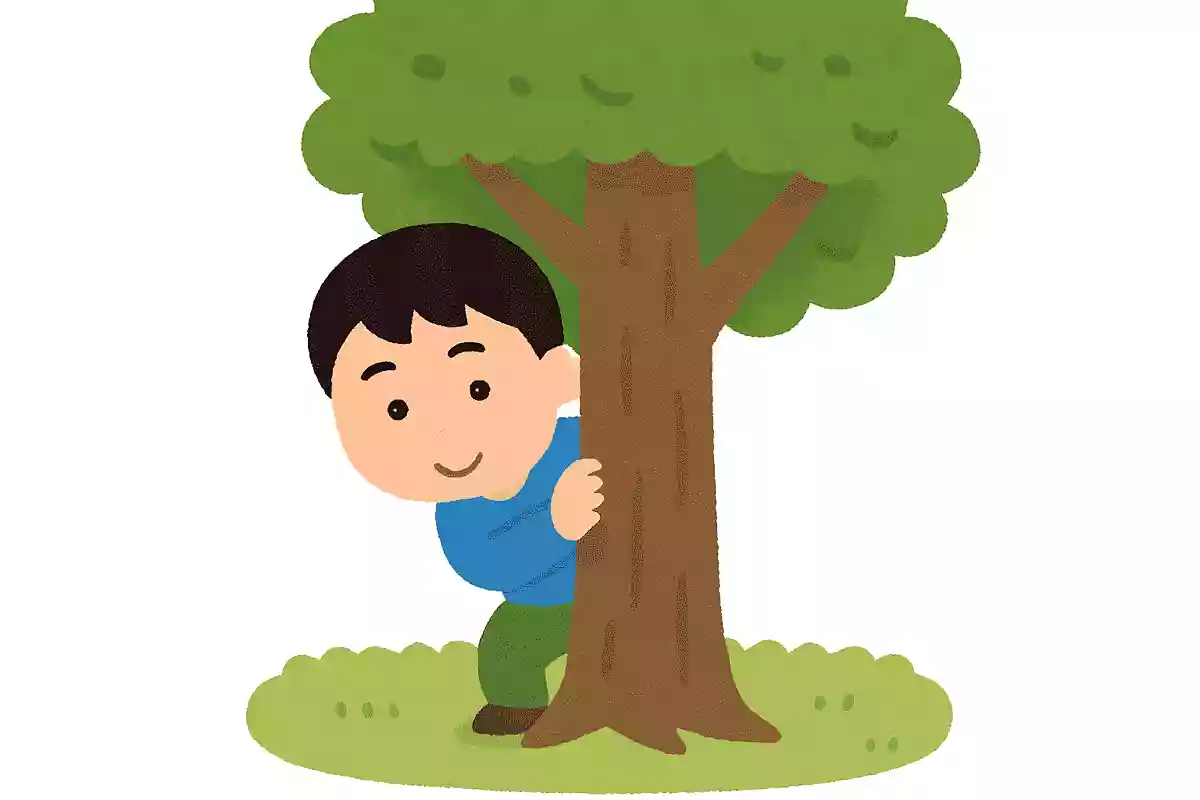
“Hōrensō” is an abbreviation for report, notify, and consult. Then what is “Kakurenbō”?
See the answer
Confirmation, Communication, and Reporting
Although it’s similar to “Hō-Ren-Sō” (report, inform, consult), “Kakurenbō” is a business term that puts stronger emphasis on first confirming things on your own. It mainly implies that subordinates work autonomously and then report to their superiors. Managers should aim to create a workplace environment where Kakurenbō can be practiced smoothly.
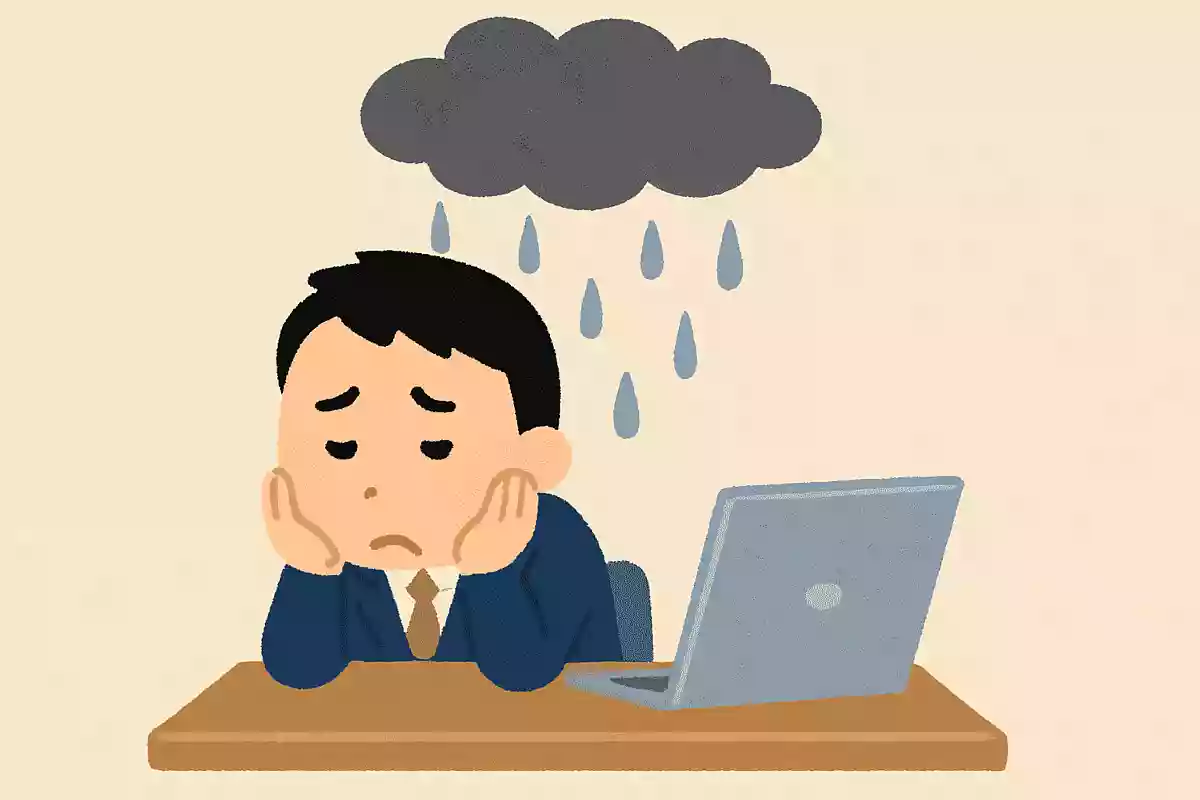
What do you call feeling blue on Mondays?
- Blue Monday syndrome
- Monday Blues Syndrome
- Monday sickness syndrome
See the answer
Blue Monday syndrome
Feeling depressed on Mondays is called the "Blue Monday Syndrome." Because of this, many people dislike going to work or school after a break and feel down. To avoid Blue Monday Syndrome, it’s important not to oversleep on days off and to avoid scheduling important tasks right after the break.
Should you warm or cool tired eyes?

See the answer
It depends on fatigue.
Depending on how your eyes are tired, you should either cool them or warm them. As a simple rule of thumb: if you feel fatigue on the surface of your eyes or around your eyes, cooling is best; if you feel pain deep in your eyes or a heavy, dull fatigue, warming them is more effective.