

Another main character of 'Castle in the Sky'? Popular character Muska's famous quotes

As a pinnacle of adventure fantasy anime, Studio Ghibli’s Castle in the Sky enjoys cross-generational popularity.
One of the key antagonists who amplifies the film’s worldbuilding is Muska, a character who ranks among the most popular in all Ghibli works.
This time, we’ve compiled a list of Muska’s famous lines.
Many of them are even more well-known than the protagonists’ quotes, and they’re all unforgettable.
If you love Castle in the Sky, this will surely make you want to watch it again!
- Short quotes from Studio Ghibli works: profound words that give us strength
- A dark fantasy that was also adapted into a live-action film! Famous quotes from Attack on Titan
- That one line is sure to jolt you! Short but cool words
- Both main and supporting characters are full of famous quotes! Memorable lines that color One Piece.
- A masterpiece that transcends the realm of shonen manga! Famous quotes from Hunter x Hunter
- The famous quote by Kyojuro Rengoku, who enjoys immense popularity in Demon Slayer.
- Cojicoji’s famous quotes: words that make you chuckle and gently lighten your heart
- Jujutsu Kaisen's quotes that strike the heart: memorable lines that drew attention in the anime and film
- A masterpiece themed around the celebration of humanity! Famous quotes from JoJo’s Bizarre Adventure
- Famous quotes everyone knows, including words from great figures and characters
- When your tension or motivation is low! Short phrases to boost your motivation
- Not just the main characters! Short quotes that add depth to anime works
- Catch a glimpse of each character’s individuality! Memorable quotes from My Hero Academia
Another protagonist of 'Castle in the Sky'? Popular character Muska’s famous quotes (1–10)
That boy’s fate is in your hands.Muska
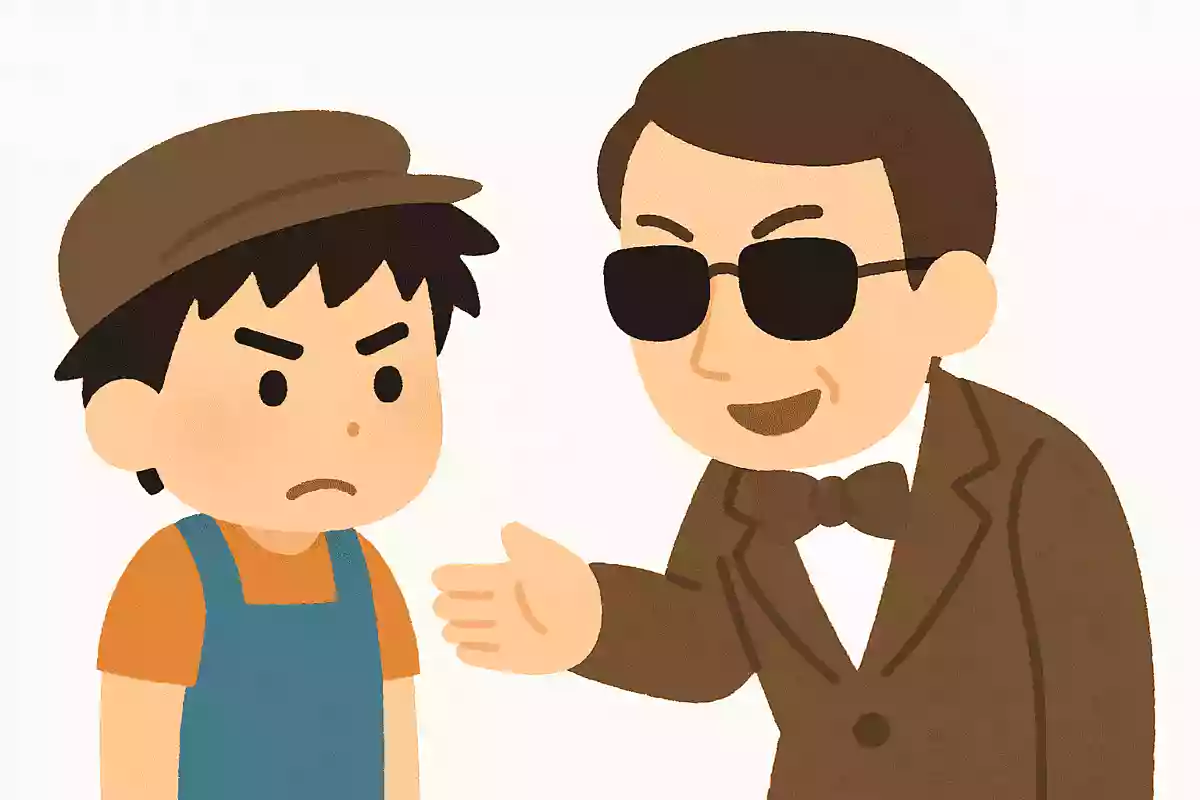
This is a line Muska delivers when he pressures Sheeta to cooperate, and it carries the message that Pazu’s fate is being held hostage.
By cornering his opponent so they can’t escape while speaking in gentle words, you can really sense Muska’s cruelty.
By deliberately prefacing it with “I don’t want to use rough methods,” he stokes fear that rough things might happen.
Although the words pose the question of what she will do, the key point is that she’s in a situation where she can’t refuse.

Because the power of Laputa is precisely humanity’s dream.Muska

These words are filled with expectations for Laputa, saying that it embodies a civilization more advanced than that of humanity on the surface and that it is truly a dream.
Considering Muska’s ambition to rule the world below, it also starts to feel like a message that this is the place where he can make his dream come true.
It also conveys that Laputa’s power is something sought in every era and that as long as human desires never run dry, Laputa will continue to exist.
Even though the word “dream” is used, what he seeks is violence, making it a line that reveals Muska’s true nature.
It’s the fire from heaven that destroyed Sodom and Gomorrah in the Old Testament. In the Ramayana, it’s also said to be Indra’s arrow.Muska
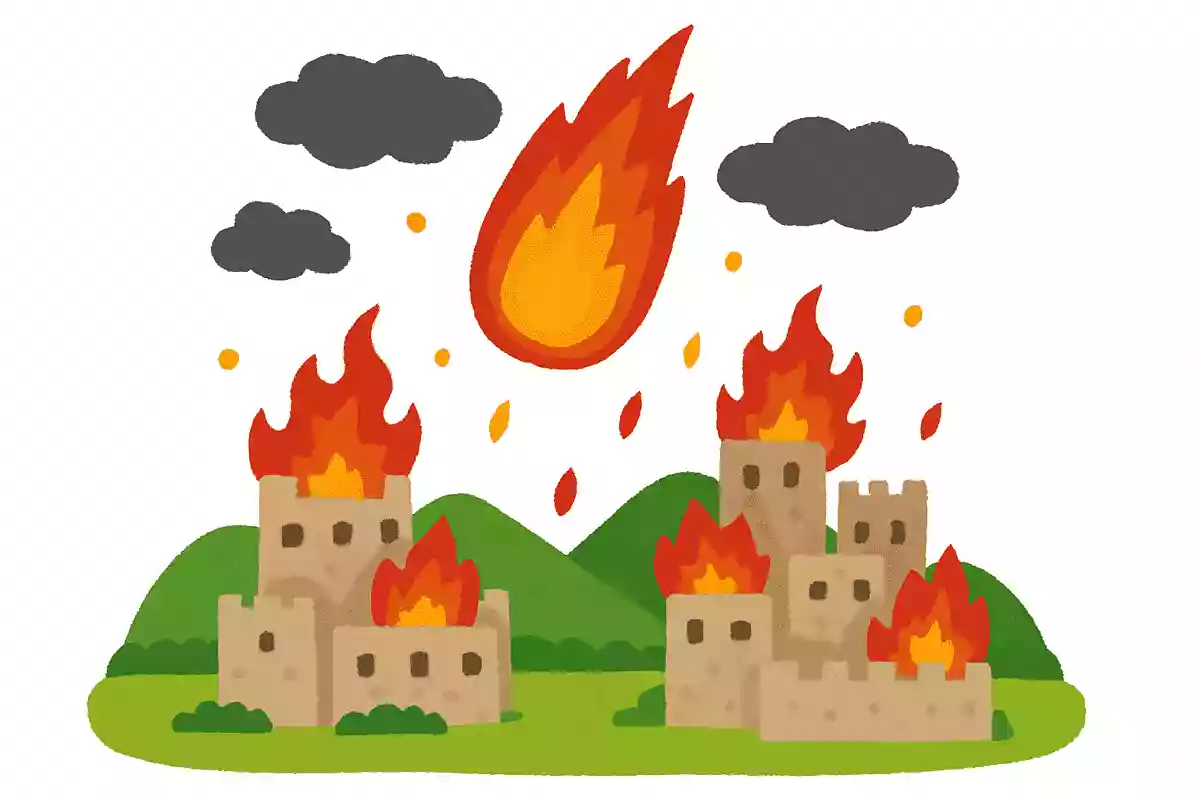
These lines explain that Laputa’s thunder, which displayed overwhelming power, had in fact been spoken of throughout ancient history.
It claims that famed depictions of world-changing forces—such as the Heavenly Fire in the Old Testament and the Indra’s arrows in the Ramayana—were actually manifestations of Laputa’s lightning.
By stating that it was a presence engraved even in ancient history, it underscores both Laputa’s legacy and the fear it inspires.
There’s also a sense of pride, as if the speaker feels they now possess something steeped in such profound history.
Another Protagonist of 'Castle in the Sky'? Popular Character Muska’s Famous Quotes (11–20)
That hard head is sturdier than mine.Muska
This is a line addressed to Sheeta, who is worried about Pazu, and it’s spoken in a way that also reassures her that everything’s fine.
The key point here is the word “blockhead,” which carries a bit of irony, referencing how at the beginning she knocked him out with a bottle.
The fact that he brings up that opening scene again many days later reveals Muska’s grudge-holding nature.
Even within gentle-sounding words, there’s an undercurrent of violence, suggesting his tendency to rule through fear.
If this thing hadn’t fallen from the sky, no one would have believed in Laputa.Muska
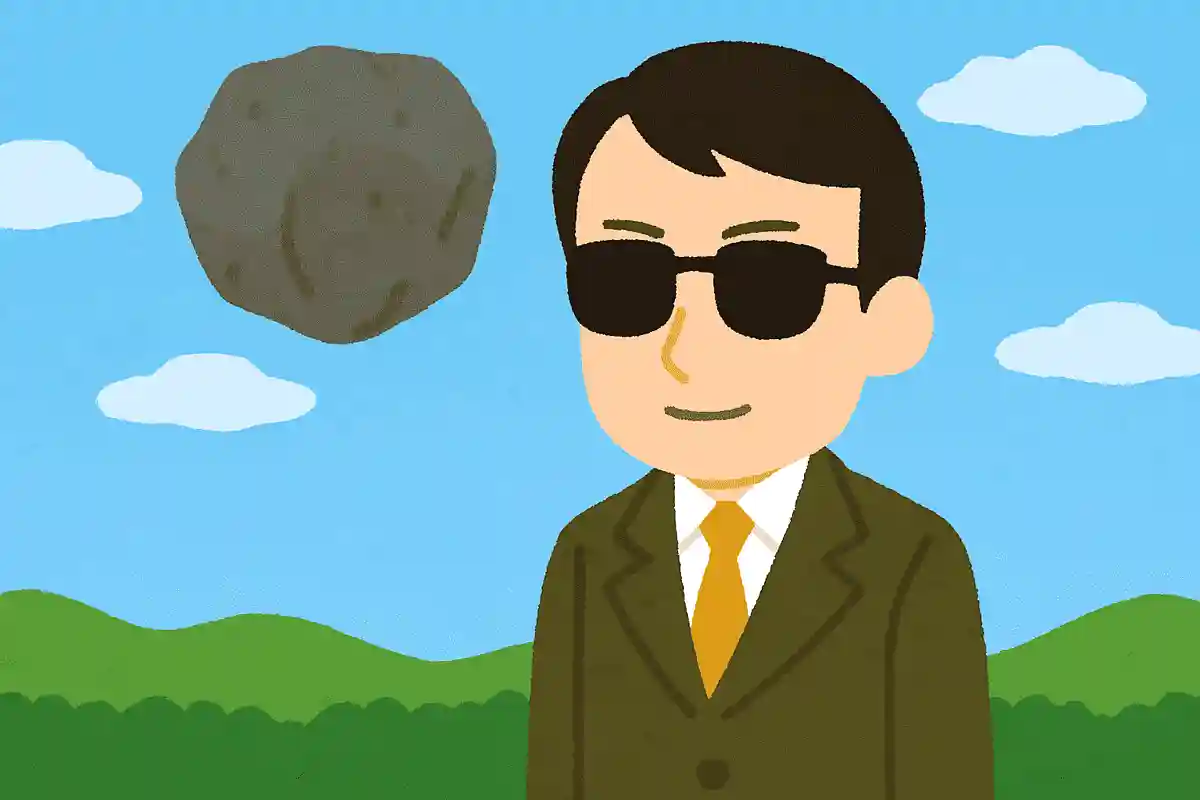
These words sound like the beginning of his own ambition, saying that the wreckage of the robot soldier that fell from the sky made people believe in Laputa.
It also conveys a kind of joy that, unless he could involve those around him, his ambitions could never be realized—and that the catalyst for that involvement came from the sky.
It feels like a moment of realization that humanity’s tendency to seek military power was, in fact, the shortcut he could exploit to pursue his own aims.
Considering Muska’s actions afterward, it leaves you wondering whether this discovery and pursuit were truly a good thing.
If you’re a man, be reasonable.Muska
These are words thrust upon Pazu, forcing him to accept the separation from Sheeta.
They argue that leaving her is for Sheeta’s own good, but they’re really laced with the thought that she’s an obstacle to his own ambitions.
By trotting out plausible-sounding reasons like “manliness,” he’s testing which line will convince his opponent, a sort of negotiation at play in the exchange.
It’s a line that also reveals Muska’s calculated nature—he doesn’t want to waste effort on something as tedious as persuasion.
Do you dislike trendy clothes?Muska
These are words gently addressed to Sheeta, whose freedom has been restrained, along with a gift of clothing.
Rather than using a forceful, intimidating tone, the speaker deliberately speaks gently—which, if anything, seems to heighten the sense of fear.
Gentle words and a present might normally suggest something positive, but precisely because she’s being held captive, it also feels like an imposition of the speaker’s preferences.
It’s a line that reveals a certain ease born of being in an overwhelmingly superior position—a composure that comes only from having the upper hand.