

A classic song about Nagano. The enduring spirit of our hometown passed down through song.

The Hotaka Mountain Range of the Northern Alps, the night view of Lake Suwa, the timeless flow of the Chikuma River.
Blessed with abundant nature, Nagano has long been cherished by many artists as the stage for songs that resonate in the heart.
In this article, we’ve picked out songs related to Nagano from a wide range of genres, including folk songs, enka, and J-pop.
We present a selection of gems that depict the beauty of Nagano—its stunning seasonal landscapes and the feelings of the people who live there, woven together.
Please enjoy them at your leisure, whether reminiscing about Nagano’s scenery or looking forward to the day you visit.
- A classic song that sings of Nagasaki: the enduring heart of our hometown
- [Local Songs] Recommended tracks packed with Japan’s nationwide classics and hometown pride
- Deep dive into popular bands and artists from Nagano
- [Songs of Gunma] Exquisite masterpieces that sing of Gunma’s nature and the spirit of its people
- A classic song that celebrates Niigata. The enduring spirit of our hometown passed down through song.
- A classic song that sings of Yamanashi. The enduring heart of our hometown.
- A classic song that sings of Toyama. The enduring heart of our hometown.
- A Nationwide Compilation of Timelessly Beloved Railway Songs
- [Songs of Kagoshima] The heart of our hometown carried on in song | A curated selection of classic tracks that embody Kagoshima
- Recommended songs about mountains: classic and popular tracks for mountaineering and mountain songs
- A roundup of regional enka songs: classic hits that feature places from all across Japan in their lyrics.
- [2026] A Collection of Classic Enka and Kayōkyoku Songs About Nagasaki [Local Songs]
- [Japan’s Tallest Mountain] Famous songs about Mount Fuji: recommended popular tracks
A classic song about Nagano: the enduring spirit of our hometown (21–30)
Messenger from the MoonBaishō Chieko

The film dates from the 1930s to the 1950s, and its theme song—sharing the same title as the film—was released in 1949.
The story is set on a plateau in Nagano Prefecture, and the title “Messenger from the Moon” refers to the heroine, Michiko, a nurse renowned for her exceptional beauty.
The theme song was also recorded as a duet by the lead actor and actress, among others, but for people of that era, Chieko Baisho’s rendition seems to be the most memorable.
Azusa No. 2karyūdō

This song, with the wonderful harmonies of the brother duo Kariudo, is a breakup song about a woman who decides to leave her boyfriend and set off for the Shinano region with another man on the Azusa No.
2.
At the time of its release, as the lyrics say, Azusa No.
2 was a down train heading from Shinjuku toward Matsumoto.
However, when the timetable was revised in 1978, a year after the release, even-numbered trains, including Azusa No.
2, were changed to the opposite direction—up trains.
Because of that, there’s a well-known anecdote that soon after the release, the actual train no longer matched the song’s lyrics.
Elegy of the Chikuma RiverNomura Mina

The Bessho Line mentioned in the song is a local railway that connects Ueda Station to Bessho-Onsen Station in Ueda City, Nagano Prefecture.
Throughout the lyrics, landmarks around Ueda—such as Ueda Castle, the Chikuma River, and references to the Sanada clan—appear, but it is a heartbreak song.
It portrays a wounded heart that shares the harshness of winter and the pain of lost love, while wishing for the flow of the Chikuma River to carry the sorrow away.
Matsumoto Bon BonMaekawa Yōko
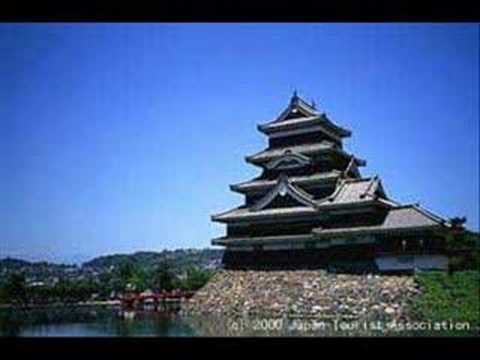
Matsumoto Bonbon is the largest summer festival in the prefecture, held in Matsumoto City on the first Saturday of August every year.
The name’s origin is said to come from a girls’ event called “bonbon,” where girls in yukata carried lanterns, wore pokkuri clogs, walked through town, and comforted the spirits of their ancestors.
In the second verse of the song, the mention of Aoyama-sama refers to a boys’ event said to have been combined with it, in which boys raised the banners of Aoyama Shrine and carried a portable shrine (mikoshi).
A Summer Resort Romancecherisshu

The duo Cherish, who scored numerous hits with their refreshing duets, released this song at a time in the 1970s when, rather than having weddings overseas, it was many girls’ dream to get married in a stylish church in Karuizawa.
It’s a perfect song for the fresh-faced Cherish, who were dreaming of marrying the ones they loved.
By the old castle at KomoroOgawa Akiko

This poem by Toson Shimazaki, included in the collection Rakubaishū, and the pieces “By the Old Castle in Komoro” and “A Travel Poem of the Chikuma River” have been set to music many times and sung over many years.
This may be my own interpretation, but as a traveler takes in the Chikuma River through the changing seasons with a touch of melancholy, they also find a ray of hope in the river’s unchanging flow despite the many shifts of history.
It shows just how deeply the Chikuma River has moved poets.
Chikumagawa RiverItsuki Hiroshi

Chikuma River, which accounts for 60% of the Shinano River—the longest river in Japan—has long had its surrounding natural beauty celebrated in poetry, from the Man’yōshū to works by Toson Shimazaki.
Hiroshi Itsuki’s “Chikuma River” was the final performance at the 1997 year-end NHK Kōhaku Uta Gassen, in part because it was just before the Nagano Olympics.
The lyrics of “Chikuma River”, too, sing of an unchangingly beautiful current and the nostalgic mood of Shinano, intertwined with memories of a first love.