

[New Year BGM] New Year Songs Loved Across Generations


Background music that enhances the New Year’s atmosphere is an essential part of kicking off a fresh year! The songs you choose may vary depending on the scene—whether it’s the cozy time spent gathered around osechi dishes, the lively moments with relatives, or music you’d like to play while getting ready for your first shrine visit of the year.
In this article, we’ve collected a wide range of music, from tracks that evoke traditional Japanese vibes to J-pop themed around the New Year.
You’re sure to find a song that will make your New Year’s celebration even more festive!
- [New Year’s Songs] Timeless classics and popular New Year tunes you’ll want to listen to at the start of the year
- Masterpieces to Listen to in January: New Year-Themed, New Year-Ready, and Winter Songs
- Spirit of Wa: Masterpieces for the Koto — Japan’s Beautiful Melodies
- [Japanese-style BGM] Beautiful tones woven from Japanese tradition
- [New Year] A collection of Vocaloid songs to liven up New Year’s parties and year-end parties [Year-End Special]
- [For Seniors] Winter songs you'll want to hum along to. A collection of classic tunes recommended for BGM and recreational activities
- Nostalgic yet new! Hit songs from the Showa era you’ll want to use as BGM
- Recommended BGM for YouTube Shorts! Popular songs released in the Reiwa era
- [For Seniors] Winter Classics to Sing in January: Heartwarming Moments with Nostalgic Children’s Songs and Kayōkyoku (Japanese Popular Songs)
- Winter Songs: Classic tracks you want to listen to in winter. Songs you long for during the winter.
- [Winter Songs] The Best Classic and Popular Winter Tunes to Listen to in Winter
- [2026] Classic Western songs to celebrate the New Year: Popular tracks to kick off the year
- Songs to Play at the End of 2026! A Roundup of New Year’s Eve and Winter J‑Pop
[New Year BGM] New Year Songs Loved Across Generations (1–10)
Happy New YearChatto Monchī

A track from Chatmonchy’s 2011 album YOU MORE.
It’s a love song in which the protagonist, welcoming the New Year and watching the line of people heading to their first shrine visit, thinks about everyday life with the partner by their side.
Through snippets of daily life—like the temptations of food stalls and memories of drives—it expresses the wish to stay together forever from here on out.
And Eriko Hashimoto’s catchy vocals paired with the band’s light, breezy sound feel so good.
It’s the perfect song if you’re looking for a cute New Year’s tune.
A HAPPY NEW YEARMatsutōya Yumi

This song by Yumi Matsutoya is imbued with the wish to welcome the New Year with someone special.
It was included on her 1981 album “Sakuban Oaishimashou” and also released as the B-side to the single “Yuu-yami o Hitori,” which came out around the same time.
Warm feelings of praying for the other person’s happiness are sung alongside the quiet resonance of the piano.
It’s a perfect track for those spending New Year’s with a partner or for anyone holding special feelings for the year to come.
Spring SeaMiyagi Michio

Haru no Umi is a piece that instantly evokes the New Year spirit the moment you hear it.
Composed in 1929 by Michio Miyagi, a Japanese koto virtuoso and composer, it has been beloved for over a century not only in Japan but also abroad as a work that expresses the Japanese heart.
In recent years, you often hear it during New Year’s sales at department stores or in food sections lined with osechi.
With that association, please listen to Haru no Umi—now firmly linked with New Year’s imagery—and savor the quiet joy of a fresh year’s beginning.

New Year BGM: Beloved New Year Songs Across Generations (11–20)
Shin-Takasago
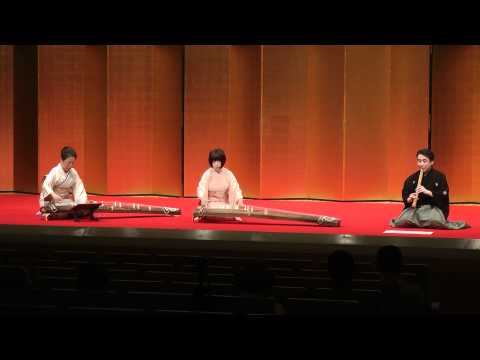
Composed in the early Meiji period by Terashima Kano, this jiuta koto piece is known as a quintessential celebratory work that takes its lyrics from a Noh “machiai” chant.
Set against the tradition that regards the paired pines of Takasago in Harima and Sumiyoshi in Settsu as symbols of marital harmony and longevity, it features a compelling, weighty sonority woven from a two-part koto ensemble, shakuhachi, and voice.
Recorded in May 1997 on Koto Masterpieces (9): Meiji New Works 2, the performance by Masae Tada Kore, Yasuko Nakajima, Shin’ichi Tada Kore, and Hōzan Yamamoto is considered definitive.
Long performed at celebratory occasions such as wedding receptions and ceremonies, this piece will also lend an elegant Japanese atmosphere to festive family gatherings around New Year’s cuisine and lively reunions with relatives.
Mochi GirlGesu no Kiwami Otome.

Mochi is something you can eat all year round, but for some reason, a lot of people only eat it around New Year’s, don’t they? This song by Gesu no Kiwami Otome shines a spotlight on that very mochi.
It’s included on their 2013 mini-album “Odorenainara, Gesu ni Natte Shimaeyo.” With its tricky sound and lyrics full of playful spirit, it expresses overflowing feelings for mochi! Listening to it might just make you hungry.
YOUNG BLOODSSano Motoharu

This song was chosen as Japan’s theme song for the United Nations’ International Youth Year in 1985, and it became a major talking point after being aired on NHK and other outlets.
Also included on the album “Café Bohemia,” the track carries a powerful message of solidarity among young people unbound by traditional values, and of forging a new era guided by their own sensibilities.
With an up-tempo sound that blends elements of UK soul and R&B, a driving beat, and a striking horn section, it’s a perfect song to fuel your resolve to say, “I’m going to give it my all this year!”
Rokudan no ShirabeYatsuhashi Kengyō

Alongside “Chidori no Kyoku,” this piece, “Rokudan no Shirabe,” is one of Japan’s representative koto compositions.
Its reputed composer, Yatsuhashi Kengyō, is said to have laid the foundations of early modern koto music.
Despite its simple structure, it exudes elegance within tranquility—truly a sublime masterpiece that can be called the pinnacle of the art.
