


In this article, we’ll introduce a roundup of uplifting songs recommended for men in their 90s.
Focusing on Showa-era enka and popular songs that defined the time, we’ve selected many great recommendations.
Some songs have lyrics that will bring back memories of student days and youth, while others rekindle dreams and passions from younger years.
As you listen, you’ll likely feel energy welling up in your heart once again.
If you’re reading this article, please be sure to recommend the songs introduced here to the men in their 90s in your life.
- For seniors: Recommended youthful songs for people in their 90s. A collection of classic Showa-era hits.
- Recommended cheer songs for people in their 90s: a collection of timeless tracks that support life
- Uplifting songs recommended for women in their 90s: energizing power songs that boost vitality
- Songs that get men in their 90s excited: A roundup of classic karaoke recommendations
- Energizing songs recommended for men in their 80s: A collection of nostalgic tracks that give you strength
- Easy-to-sing songs recommended for men in their 90s: A roundup of tracks to sing at karaoke
- Great songs recommended for people in their 80s: a collection of tracks with lyrics that touch the heart
- [Grandpa & Grandma] Timeless Songs to Gift to Seniors
- [Karaoke] Recommended Songs for Men in Their 80s: A Collection of Showa-Era Classics You’ll Want to Belt Out
- Recommended Cheer-Up Songs for People in Their 70s: A Collection of Uplifting Tunes
- A collection of cheerful, uplifting songs recommended for women in their 80s—fun, bright tunes to sing along to
- [Recommended for people in their 70s] Songs that get everyone excited. Songs you’ll want to sing at karaoke.
- Songs I want men in their 70s to sing: a roundup of tracks I'd like to hear at karaoke
Uplifting songs for men in their 90s. Recommended positive tunes (1–10)
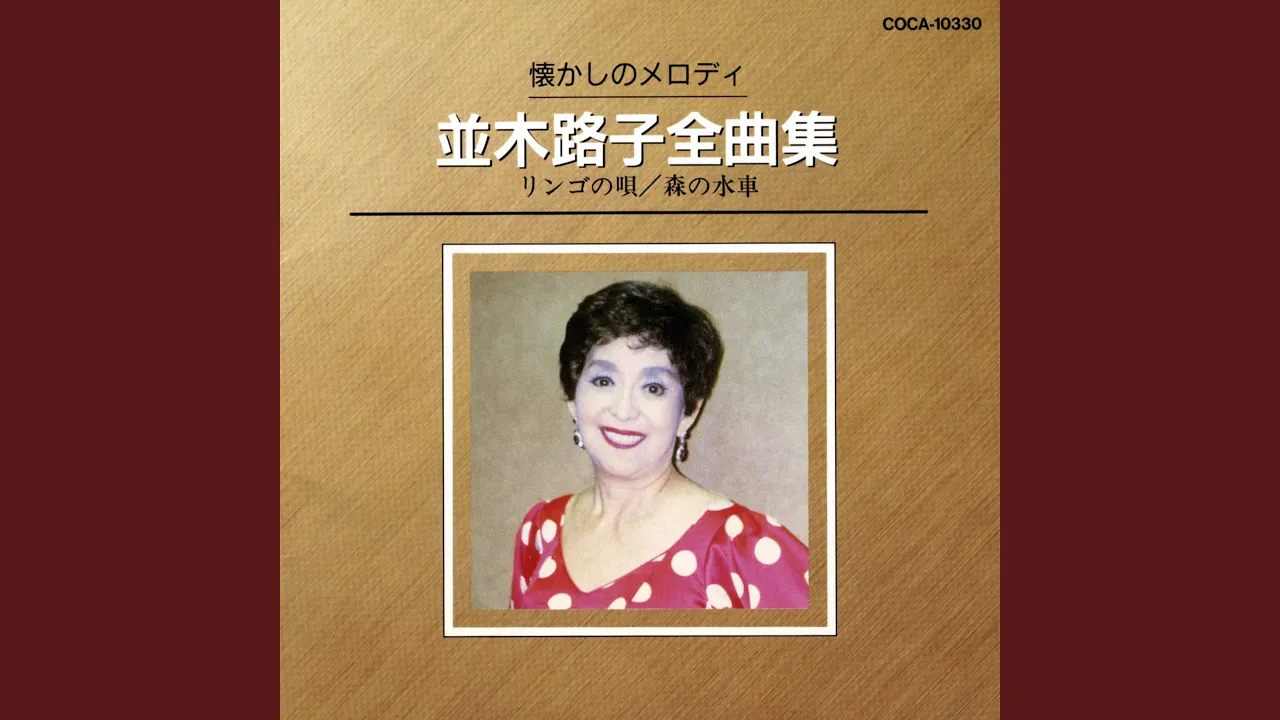
The Apple SongNamiki Michiko

“The Apple Song” is a masterpiece among masterpieces that brightly illuminated postwar Japan.
Released in 1945, right after the end of the war, it lit a beacon of hope in people’s hearts.
Through apples as symbols of love and peace, its lyrics celebrate everyday, modest happiness and human bonds—messages that continue to move many to this day.
Accompanied by Michiko Namiki’s refreshing vocals, this classic created by Hachiro Sato and Tadashi Manjome encouraged those standing amid the ruins of the postwar era and became a spectacular hit.
In 2007, it was selected for the “100 Best Japanese Songs,” cementing its status as a piece cherished across generations.
When your heart is tired or you feel discouraged, listen to this song; it’s sure to give you strength for tomorrow.
Tokyo Flower GirlHaruo Oka

Haruo Oka’s classic “Tokyo no Hanauri Musume” (The Flower-Selling Girl of Tokyo) is a captivating song, with lyrics that delicately depict scenes of Tokyo soon after the war and Oka’s warm, lustrous voice.
Released in 1946, it became widely cherished as an encouraging anthem that resonated with people of the time.
Its melody, filled with nostalgia and hope, surely continues to linger in many hearts today.
It’s a song that can prompt those in their 90s to recall their youth and the dreams and passions of those days.
We hope listeners will cherish the past while looking ahead with energy.
With that sentiment in mind, we wholeheartedly recommend this timeless masterpiece.
festivalKitajima Saburō

Saburo Kitajima’s “Matsuri” is a masterpiece that brilliantly captures the atmosphere of traditional Japanese festivals through music.
You can almost picture scenes of festivals that give thanks for nature’s blessings, such as harvest festivals and great-catch celebrations.
The melody is infused with the rhythms of festival music, and the masculine, powerful vocals fit the character of the song perfectly.
Along with the dynamism of festivals, the piece conveys the Japanese reverence for nature and ancestral worship that has long been cherished.
Since its release in November 1984, it has been sung time and again, leaving a significant mark on Japan’s music scene.
Combined with Kitajima’s own passionate stage presence, it’s a song that lets you savor the festive spirit.
How about playing it when family gathers for New Year’s or Obon and enjoying a lively time together?
The Longed-For Hawaii RouteHaruo Oka

Haruo Oka’s “Yearning for Hawaii Route” is a classic that represents Japan’s Showa-era popular music, singing of hope and longing after the war.
The melody conveys the scene of a ship departing the harbor and a yearning for Hawaii.
Its beautiful lyrics vividly depict the moment of setting sail, filling listeners’ hearts with dreams and hope.
In 1950, it was also used as the theme song for a film of the same title.
I think it’s a perfect song for older adults who have passed the midpoint of life and dream of a new departure.
Precisely because they are the generation that survived the turmoil after the war, the message hidden in this song is sure to resonate deeply.
The Highland Train GoesOkamoto Atsurō

Atsuro Okamoto’s “The Highland Train Is Coming” is a song brimming with the charm of rail travel.
It joyfully sings of the whistle’s call, the vistas unfurling from the carriage window, and encounters along the journey, all set to a bright melody.
Since its 1954 release, the song has long been loved, leaving a major mark on Japan’s music scene through performances such as at the 5th NHK Kōhaku Uta Gassen and its adoption as the departure melody at JR Fukushima Station.
It’s a piece that allows men in their 90s to recall their youth and still feel the unchanging beauty of the highlands.
The two are young.Hoshi Reiko Dikku Mine

Futari wa Wakai, sung by Dick Mine and Reiko Hoshi, is a masterpiece among masterpieces that colored the Showa era.
Loved by many since its release, it evokes happy memories of youth.
The simple, warm melody composed by Masao Koga perfectly matches Hachiro Sato’s lyrics, which capture the innocent yet endearing exchanges of young lovers.
Ever since its debut in 1935, it has brightened the Showa music scene and remains an immortal classic passed down to this day.
It’s a song we’d especially love people in their 90s—our elders in life—to sing and enjoy.
king (shogi piece)Murata Hideo

Hideo Murata’s “Osho” is a masterpiece whose lyrics, filled with courage and resolve, strike a chord in the heart.
It powerfully sings of a life that is anything but simple—the tenderness of thinking of his wife, the earnest determination to stake everything on a showdown in Tokyo.
Released in November 1961, it became a million-seller and won numerous awards.
It was also used as a movie theme song and remains an enduring classic that is still sung today.
To everyone standing at a crossroads in life, listen to this song and hold your head high as you face forward and walk on.