

Nostalgic games that were popular when we were kids

Don’t you think kids are truly geniuses at killing time?
During recess or after school, we played all kinds of games every day!
I bet you can instantly think of a few nostalgic games too, right?
In this article, we’ll introduce plenty of the games we used to play as kids!
We’ve rounded up nostalgic games that will take you right back to childhood the moment you see them and put a smile on your face.
I’m sure today’s kids would enjoy them too.
You can play together across generations, and we hope this helps you fondly remember those days!
- Old-time play: fun children's games
- Recommended for upper elementary grades! Exciting indoor recreation and games
- [For Kids] Outdoor Recreation Games: Fun Outdoor Play
- Fun Indoor Games for Elementary School Kids Without Any Equipment
- [Elementary School] Quick and Easy! Indoor Recreational Activities Perfect for Lower Grades
- A special feature on nostalgic toys and the trends we craved as kids—loads of the things we wanted back then are here!
- Play ideas kids can enjoy from 1st to 6th grade [indoors & outdoors]
- [For Kids] Today's Recommended Recreation Idea Collection
- [Elementary School Rec] Recommended Games and Performances for a Fun Party
- [List] A roundup of games and recreational activities kids love
- Traditional Games: Fun Old-Time Play. Popular Activities Useful in Childcare
- [For Kids] Have Fun at After-School Day Service! A Special Feature on Indoor Game Ideas
- [Play Right Away!] Exciting Recreation Games Recommended for Elementary School Students
Nostalgic games that were popular in our childhood (21–30)
Heaven, large, medium, small

Draw the kanji character for “rice field” (田) on the ground and use each quadrant as a court to play with four or more people.
The courts are ranked from highest to lowest as Ten (heaven), Dai (large), Chū (middle), and Shō (small), and players aim to move up to higher courts.
You rally by hitting the ball into an opponent’s court, but if you make a mistake, your rank goes down.
If the person in the Shō court makes a mistake, they switch places with the next person waiting outside.
It’s a game kids can play from around elementary school age, and it was popular because it doesn’t require much space.

Building a secret base

Didn’t you ever dream of having a secret hideout when you were a kid? There’s something special about spending time in a place no one else knows about—just by yourself or only with friends who share the secret.
Even as adults, some people still long for a secret base; I think boys especially do.
Laying planks up in a tree, or blocking off the entrance to a hole you stumbled upon so it won’t be found—there are many ways to build a secret hideout.
If you’ve never made one, you should try it at least once.
Nostalgic games that were popular when we were kids (31–40)
Making mud dumplings

Making mud dumplings was something every kid loved, right? Finding a more clay-like layer in the park was cause for celebration.
You’d carefully adjust the amount of water, then roll it smoothly and firmly into a sphere.
Once you settled on the size and shape, you’d let it dry a little, then sprinkle on fine, evenly sized sand and polish it endlessly.
I think that’s as far as we got as kids, but apparently the advanced makers go on to polish with a cloth, too.
The finish is so good you can hardly believe it’s a mud ball.
Tonton Sumo
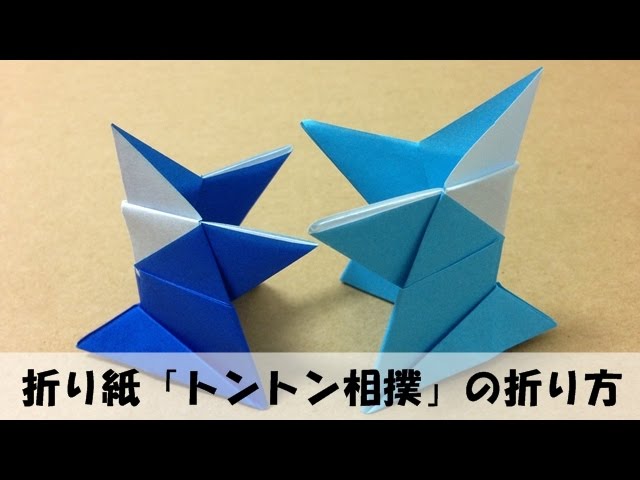
The first one to topple after tapping the ring loses! Known as paper sumo, Ton-ton Sumo has long been a beloved game among Japanese children.
You can enjoy it with wrestlers made by drawing on construction paper or cardstock and folding them in half, but making them with origami is also recommended! After creasing along the diagonals, fold each corner to the center, then fold the corners in to the center again.
Flip it over and continue folding; finally, fold it vertically in half and adjust so it stands—your origami wrestler is complete.
Let’s tap and play inside a ring made from cardboard or within a taped-off square on a table using masking tape!

S-ken (traditional Japanese playground game)

This is a game where you advance toward the treasure located in the opponent’s territory.
Battles in enemy territory are one-on-one hand-pushing sumo while hopping on one foot.
If both hands touch the ground or you step out of the territory, you’re out.
Players who are hopping can escape to islands set up in advance.
Don’t push one person with multiple players or shove from behind, as it can cause injuries.
It’s one of those games kids can get totally absorbed in.
Maze making

If you get tired of solving mazes, I’d love for you to try “maze making.” As the name suggests, it’s a game where you create your own maze.
Many of you might have made tricky mazes and enjoyed them with kids back in the day, right? It may seem difficult, but there are videos showing easy methods that anyone can use to make mazes, so be sure to check them out for reference.
Donut socks
Everyone, do you remember “donut socks”? For those who don’t know, you roll high socks down toward your shoes, folding them as you go.
If you do it well, they end up looking just like a donut.
I don’t know who started it, but it definitely used to be a trend.
If your dress code calls for high socks and it’s hot out, give it a try.