

![[For Seniors] Fun Brain Training! Quizzes Recommended for October](https://media.ragnet.co.jp/img/1200__png__https://www.studiorag.com/files/2025/05/3adba89cfef623cae58cb91972fb2782.webp)

October is a pleasant time of year, with the hot days behind us.
The leaves start to change color, many foods are harvested, and there are plenty of fun events and festivities.
When you hear “October,” lots of things come to mind, don’t they?
So this time, we’re introducing “October-themed quizzes for seniors.”
Through these quizzes, let’s help everyone recall their memories of October.
Even for seniors who find it difficult to sense the seasons, this can help them remember the feeling of the season.
Enjoy some brain training with October-themed quizzes!
- [For Seniors] Let's have fun with an autumn-themed quiz!
- [For Seniors] Recommended Trivia Quizzes & Fun Facts for November
- [For Seniors] Let’s have fun with October trivia and fun facts quizzes!
- [For Seniors] Today’s recommended quiz. Daily brain-training quiz!
- [For Senior Facilities] Lively and Fun! November Quiz
- [For Seniors] Laugh-Out-Loud, Crowd-Pleasing! Fun Quiz
- [For Seniors] Fun and Informative! Health Trivia Quiz
- [For Seniors] Introducing Trivia Quizzes and Fun Facts About December
- [For Seniors] September Quiz: Brain Training Problems
- [October Health Topic] Introducing Recreational Activities for Seniors!
- [For Seniors] Recommended for Brain Training! Nostalgic Showa-Era Quiz
- [For Seniors] Find daily brain training. Today’s recommended brain workout.
- [For Seniors] Fun Brain Training! February-Themed Quiz
[For Seniors] Fun Brain Training! Recommended Quizzes for October (1–10)
What do you call the practice of changing uniforms according to the season, which often takes place in June and October?
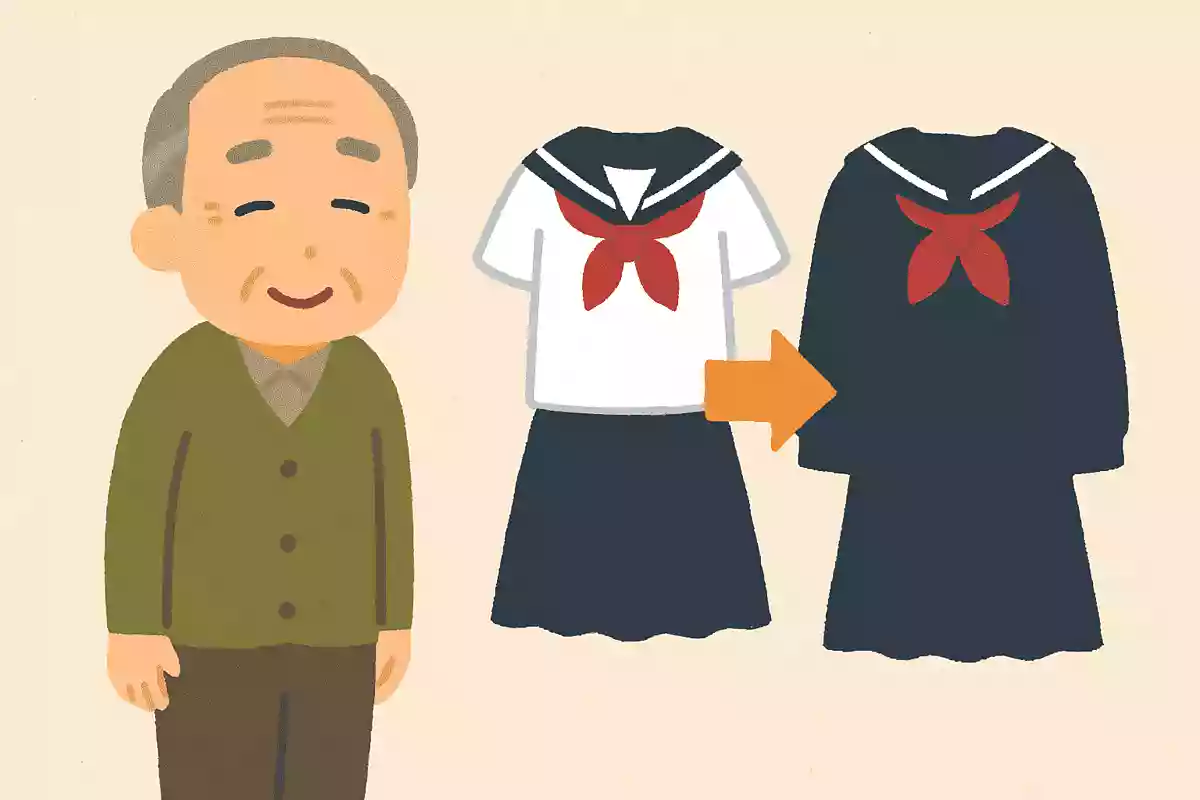
Japan has four seasons—spring, summer, autumn, and winter—and we switch between short sleeves and long sleeves depending on the weather.
Many people also swap out the clothes in their closets and dressers in June, when it gets hotter, and in October, when it gets colder.
Here’s a question: what do you call the practice of changing uniforms according to the season, often done in June and October? The answer is “koromogae,” or seasonal wardrobe change.
October is the time when we transition from summer uniforms to winter uniforms.
Let’s make sure to do koromogae properly so we don’t catch a cold during the change of seasons.

What is the name of the solar term that marks the time when nights grow longer and cold dew forms on plants in the early morning?
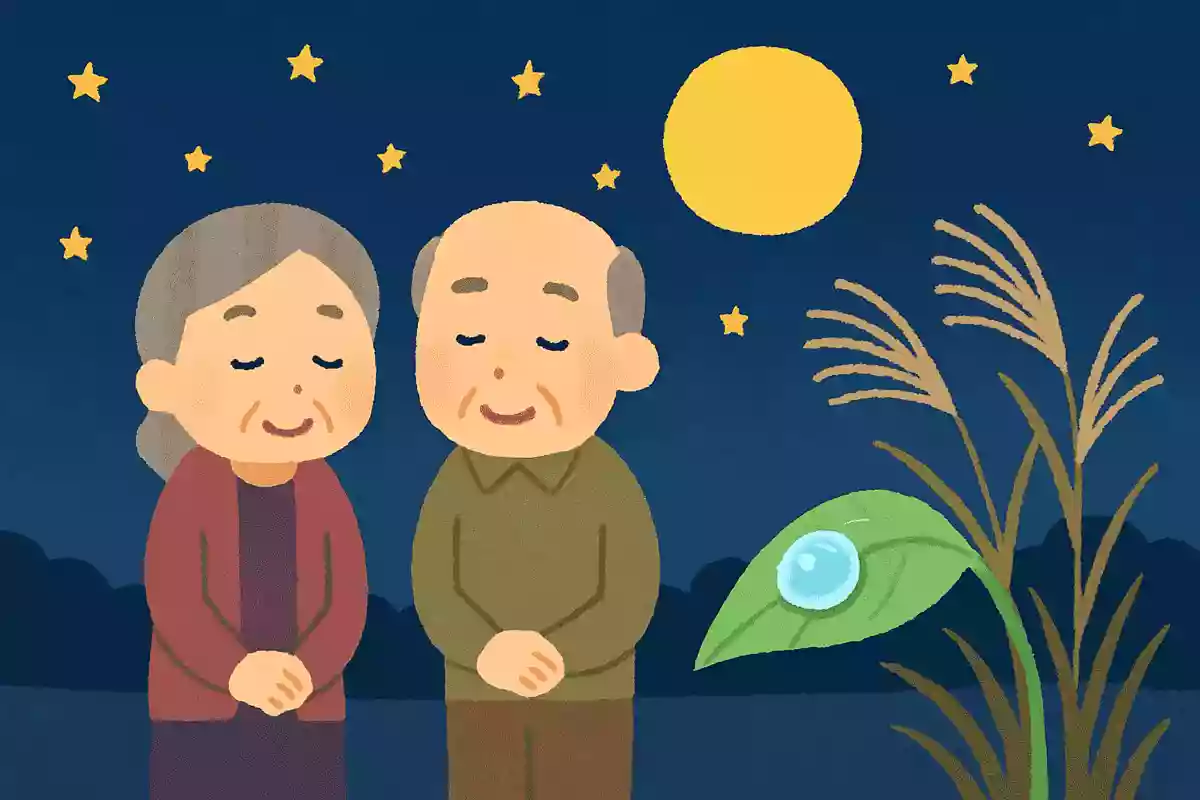
When October begins, unlike September when we could still feel the heat, the number of days that feel chilly increases, doesn’t it? Is everyone avoiding going out lightly dressed and catching a cold? Autumn also brings big temperature swings throughout the day, so please be careful not to get sick.
Here’s a question that’s perfect for October.
What is the name of the solar term during which the nights grow longer and cold dew forms on plants in the early morning? The answer is “Kanro” (Cold Dew).
As I mentioned, the temperature differences become more extreme at this time, but the air is also clearer.
The moon looks beautiful, so be sure to look up at the night sky.
“Health and Sports Day” was renamed in 2019. After the renaming, what is the name of the public holiday on the second Monday of October?
Health and Sports Day is a national holiday established to commemorate the 1964 Olympics held in Japan.
In fact, it was renamed in 2019.
Do you know what the new name is? The correct answer is “Sports Day.” The reason for the change is that the word “sports” has a broader meaning than “physical education” and conveys a greater sense of enjoyment.
The date of the holiday also changed from October 10 to the second Monday of October.
On Sports Day, be sure to engage in sports or exercise that you enjoy.
Soybeans are harvested in October. Since when have people in Japan been eating soybeans?
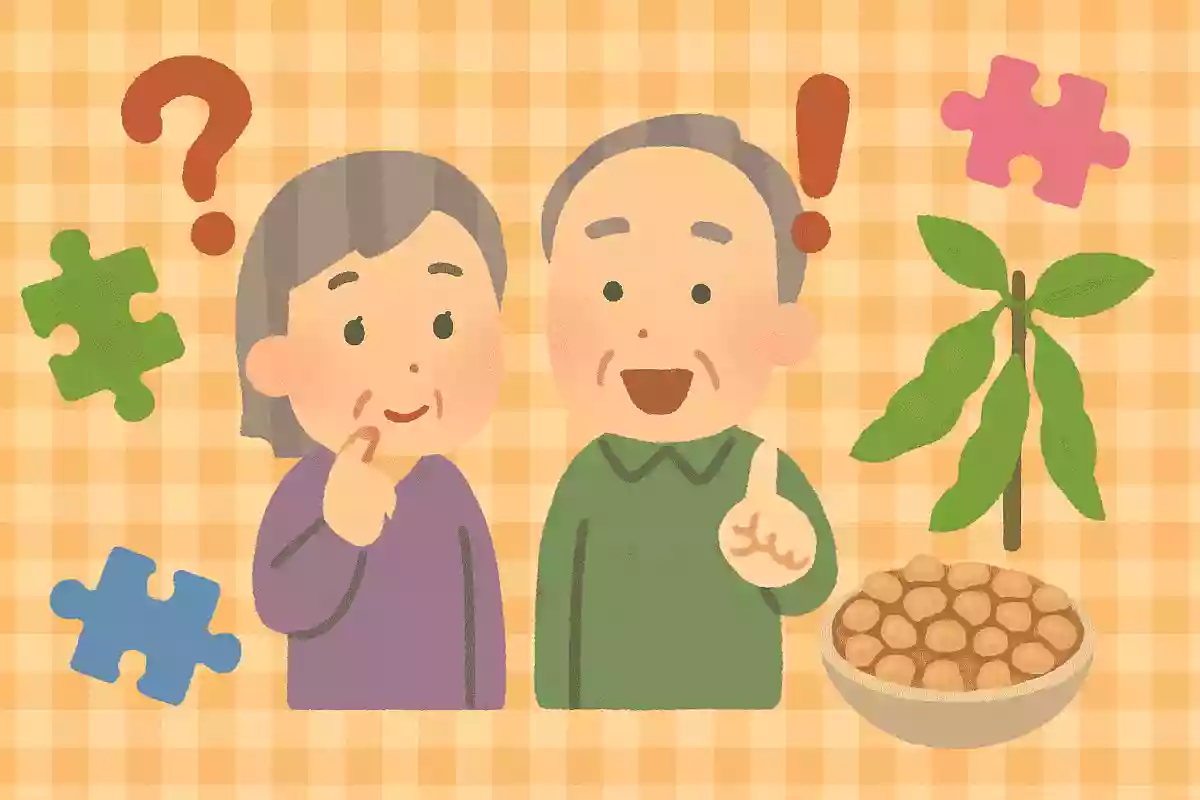
Soybeans enter their harvest season around October.
They’re delicious eaten as they are, but there are also many soybean-based foods that are indispensable to us Japanese, such as tofu, natto, and miso.
Many of you probably eat them regularly.
Here’s a question: Do you know since when people in Japan have been eating soybeans? The answer is the Jomon period.
It’s a bit surprising to think it goes that far back, isn’t it? Analysis of Jomon pottery has revealed that soybeans were being cultivated in Kyushu.
In the old lunar calendar, October was called “Kannazuki,” or “the month without gods.” It’s said to be because all the deities of Japan gathered in one place. Where is that place?
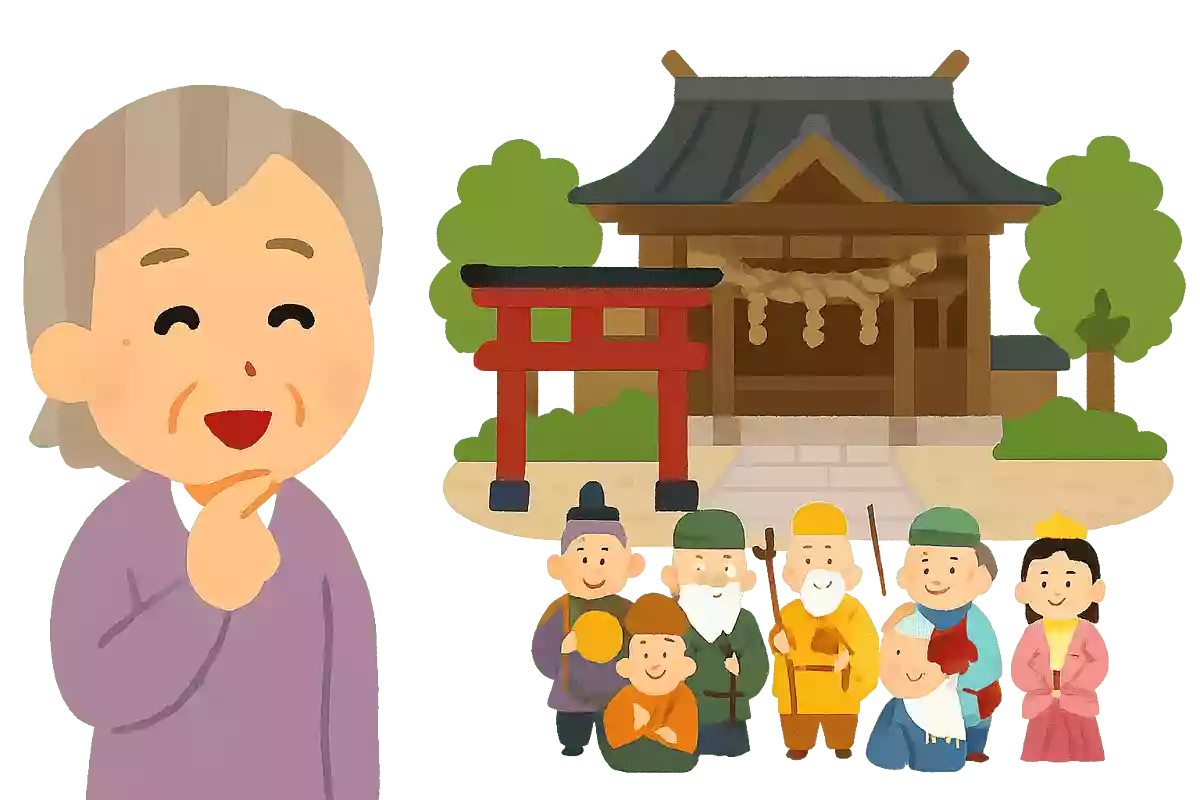
In the old lunar calendar, October is called “Kannazuki,” the Month of No Gods.
This comes from the idea that all the deities across Japan gather in one place, leaving the rest of the country without its gods.
The question, then, is: Where do they gather? The answer is Izumo Taisha.
Because of this, in Shimane Prefecture, where Izumo Taisha is located, October is called “Kamiarizuki,” the Month of the Gods.
As for why the deities gather, there are various theories—some say it’s for matchmaking, others for funerary matters.
There are many other legends about Kannazuki as well, so it can be fun to look them up.

On Halloween, we decorate with lanterns made from a certain vegetable. What vegetable is it?
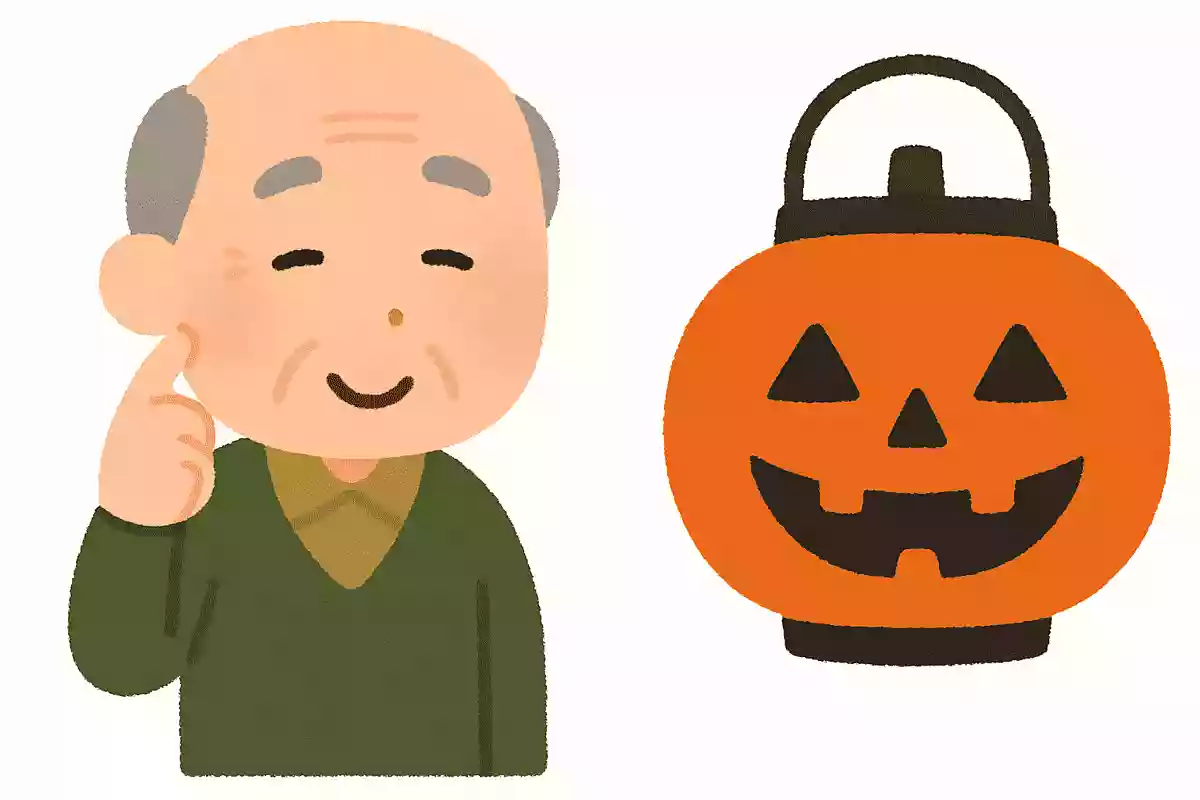
When it comes to events in October, Halloween comes to mind.
Halloween originated in Ireland, but it has now spread to many countries.
In Japan, too, you often see people in costumes out on the streets on Halloween night.
Here’s a quiz: on Halloween, people decorate with lanterns made from a certain vegetable.
What is that vegetable? The answer is “pumpkin.” These are called jack-o’-lanterns and are popular as Halloween decorations.
They’re said to be placed to ward off evil spirits, so why not try making one for Halloween?
The third Sunday of October is a day related to family. What is this commemorative day, which was established in 1999?
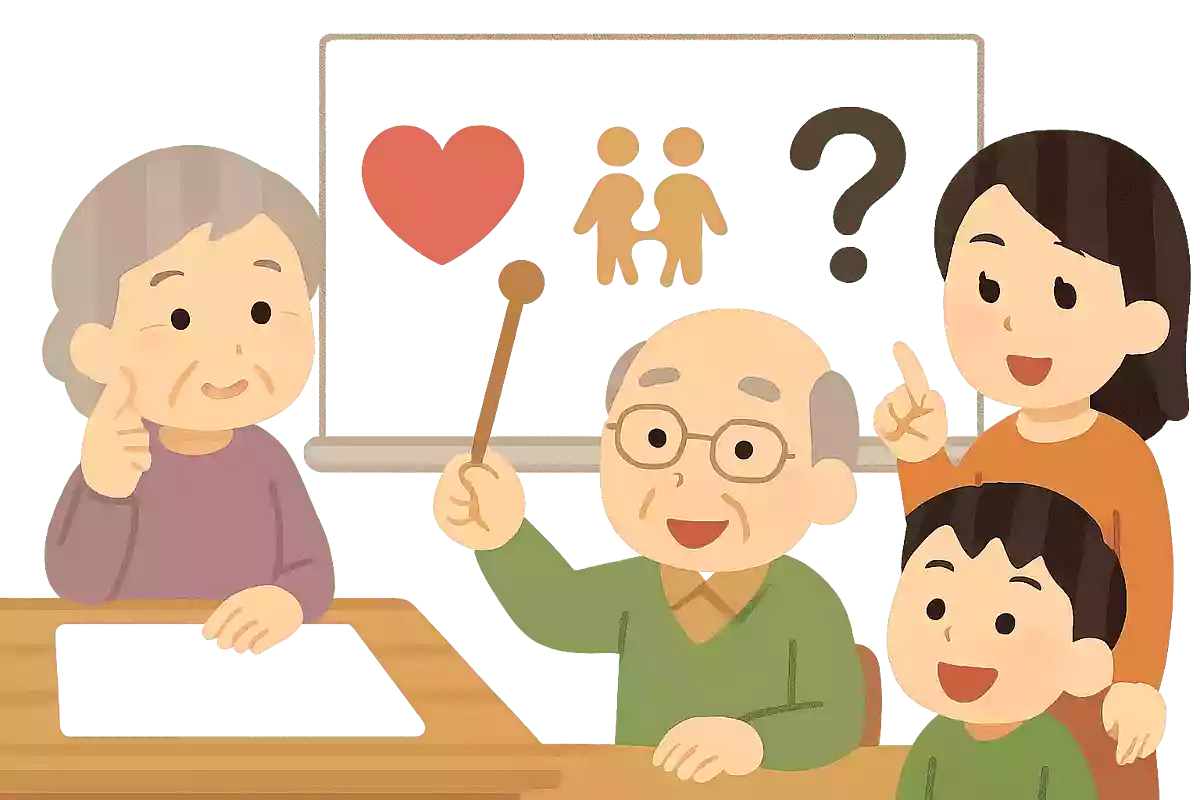
Suddenly, but do you know what the third Sunday of October is? Here are some hints: it was established in 1999, and it’s a day related to family.
The answer is Grandchildren’s Day.
This day was set by the Japan Department Stores Association, which also runs a campaign where toys that grandchildren would love are given away by lottery.
In recent years, it has also become known as a day for giving gifts to grandchildren.
Why not take this opportunity to give a present and strengthen your bond with your grandchild?