

Old-time play: fun children's games

Kids are geniuses at play, aren’t they? They can have a great time even in open spaces without playground equipment, and they come up with ways to play with toys that adults would never imagine! Of course, kids today are creative too, but back in the days before smartphones and game consoles, children played in even more inventive ways.
Many of those old-fashioned games are still fun for kids today.
In this article, we’ve gathered lots of classic, enjoyable games from the past.
We’re also introducing plenty of activities you can try right away, so be sure to check them out!
- Nostalgic games that were popular when we were kids
- Fun Indoor Games for Elementary School Kids Without Any Equipment
- Recommended outdoor games you can enjoy without any equipment
- [Let’s Make and Play!] Handmade Toy Ideas You Can Create Yourself
- [Children’s Club] Easy and fun indoor games. Exciting party games
- A special feature on nostalgic toys and the trends we craved as kids—loads of the things we wanted back then are here!
- [Active Outdoors!] A roundup of garden games you can enjoy with your kids
- [Make with Kids] Handmade Outdoor Play Toy Special
- [For Kids] Today’s Handmade Craft Ideas
- [For Kids] Today's Recommended Recreation Idea Collection
- [List] A roundup of games and recreational activities kids love
- [Play Right Away!] Exciting Recreation Games Recommended for Elementary School Students
- Elementary School Fun Day a Big Hit! Indoor Game Idea Collection
Old-time games. Fun children's play (21–30)
7 park games kids can play without equipment
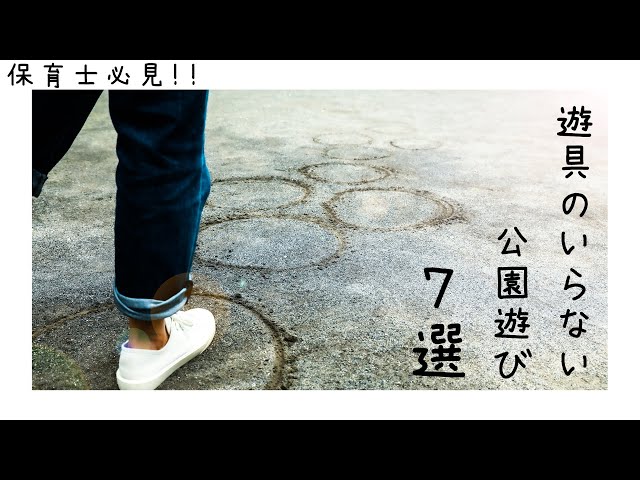
Park games that everyone from small children to adults can enjoy together without any preparation are great because they can be played with whoever happens to be there.
Hopscotch, hand-pushing sumo, number games, playing house, shadow play, and drawing are all familiar activities that don’t require any equipment.
You can also use natural materials like pebbles and sticks, which makes it easy to invent games and come up with original rules with friends.
Let’s make the most of the wide-open space of the park and have fun moving our whole bodies with games that can only be enjoyed in such a setting.

Traditional playground games techniques

Kendama and spinning tops may seem difficult at first, but when you keep trying and finally succeed, you’ll feel a real sense of “I did it!” As you practice, you steadily develop fine finger movements, body balance, and hand-eye timing—that’s a key benefit.
Focusing while you play also nurtures perseverance and a never-give-up attitude.
If you practice and show off your tricks with friends or family, their “That’s awesome!” will give you courage and confidence.
These toys help both mind and body grow while having fun, so give them a try!

Old-time games. Fun children's games (31–40)
Cops and Robbers

When it comes to classic games that get after-school programs excited, “Keidoro” is a top pick.
As long as you have a large enough space, you can start right away, so prep is easy.
In this game, players split into police and robbers and chase each other, which builds teamwork, quick decision-making, and physical fitness—perfect for kids’ development.
The rules include robbers getting caught and put in “jail,” plus dramatic rescues by teammates, making it a hit across all age groups.
The more players, the more fun, so it’s ideal for group settings like after-school care.
Another appeal is that you can expand the ways to play by tweaking the rules.
It’s a highly recommended game for running around and being active in schoolyards or parks.

Hide-and-seek
Hide-and-seek is a classic outdoor game for kids that can be enjoyed regardless of grade level.
While the seeker closes their eyes and counts to 10–30, the other children hide in places where they’re hard to find.
When the counting ends, the seeker looks for the hiders; when one is found, the seeker calls their name and tags them while returning to the starting point.
If the seeker finds everyone, the seeker wins; if someone remains hidden until the end, the hiders win.
The fun lies in clever hiding strategies and the thrill of moving quietly without making noise, and it’s interesting to see how hiding styles differ by age.
It’s a deceptively deep game with simple rules that can be played in schoolyards, parks, or even indoors, and enjoyed by a wide range of ages.

Treasure Hunt
A treasure hunt packed with excitement, where you can savor the fun of discovery and the thrill of achievement.
Hide small prizes or cards, give participants clues or a map, and let the search begin.
Tailor the setup to the play area—such as hiding items widely outdoors—to make it even more engaging.
The joy of finding treasure and the frustration of coming up empty both fuel motivation for the next try, nurturing children’s focus, observation, and reasoning skills.
It can be run as an individual or team competition, and a host’s presentation can boost the game-like feel and even create a story-like world.
It’s an adventure-inspiring activity that draws kids in and keeps them engaged of their own accord.
Long Tail Pulling Game

A high-energy, low-contact long tail-tag game.
Each player attaches a long cloth strip or plastic cord to their waist, letting it hang behind them as a “tail.” Once the game starts, everyone runs around trying to grab others’ tails.
Because the tails are long, players can keep their distance while still creating offense and defense, making it fun to strategize without physical contact.
It demands stamina, quick bursts of speed, and keen observation, so younger and older students can compete together on the same field.
The last person whose tail hasn’t been taken is the winner, and despite its simplicity, games often get quite heated.
It’s a cleverly designed activity that balances safety with excitement.
Big waves, small waves in a long-rope jump

The “big wave and small wave” version of long rope jumping is a game everyone can enjoy that tests timing and teamwork.
Two people turn the rope, moving it up and down rhythmically, and the jumpers enter in time with the rhythm and jump at the right moment.
For the big wave, the rope is swung up and down in large motions; for the small wave, it’s swung lower and faster—this variation is also recommended.
Counting together out loud boosts a sense of unity, and succeeding creates a strong feeling of togetherness.
As you get used to it, you can add changes to the rhythm or speed up the turns for more advanced play, expanding the ways to enjoy it.
It’s a game that fosters solidarity and a sense of achievement.