

[Classical] Masterpieces of oratorios. Recommended classical music.

The majestic harmonies resound, and the grand musical form known as the oratorio expresses Biblical stories through music.
Its history goes back to the Baroque era, and it has long been cherished as the pinnacle of sacred music.
Today, oratorios are performed not only in churches but also in concert halls, loved as a vital genre of classical music.
The true allure of the oratorio lies in the overwhelming richness and power created by the interweaving of chorus and orchestra.
It opens up a musical world distinct from opera.
In this article, we introduce masterful oratorios that have left their mark on the history of classical music.
- [Chorale] Masterpieces of chorales. Recommended popular pieces.
- [Tearjerker] Songs that make your heart tremble with tears & moving tracks with lyrics that touch the soul
- [2026] The Beautiful World of Ambient: A Curated Collection of Must-Listen Masterpieces
- [Arpeggio] Beautiful masterpieces of Western music. Exquisite guitar sounds.
- The magnificent world of vocal artistry: a special feature on popular vocal works from opera to art songs.
- 【2026】The State of World Music Now: Introducing Masterpieces to Enjoy Diverse Musical Cultures
- A cappella masterpieces: Recommended songs where beautiful harmonies shine (Western and Japanese music)
- Classic salsa songs. Recommended popular tracks.
- [Celtic Music] Masterpieces of Celtic music. Recommended Irish music
- [Hymns] Famous hymns and sacred songs. Recommended hymns and sacred songs.
- [2026] Let's Sing at the Chorus Competition! A Roundup of Recommended Western Songs
- Gospel singers of the world. Masterpieces of gospel music, recommended popular songs.
- [For Beginners] The Epic World of Symphonic Metal: A Collection of Popular and Classic Songs
[Classical] Masterpieces of oratorios. Recommended classical music (1–10)
From Samson HWV 57: ‘Return, O Lord of Hosts’Georg Friedrich Händel

A masterpiece of the oratorio genre by Baroque great George Frideric Handel, Samson.
The piece sung within the drama portrays a hero at the brink of despair and the heartfelt prayers of the people who care for him.
Its chief allure lies in the way an introspective alto solo prayer gradually unfolds into a majestic chorus.
It beautifully expresses a profound supplication to God and the yearning for hope amid hardship.
Acclaimed since its 1743 premiere, the October 1952 recording by the celebrated contralto Kathleen Ferrier is renowned as a historic classic.
Highly recommended for those who love classical music with grand, solemn narratives.
St Matthew PassionJ.S.Bach

Composed by Johann Sebastian Bach, a leading figure of Baroque music, this monumental work is hailed as the pinnacle of Passion oratorios.
The majestic architecture of sound woven by the two choirs and orchestra is nothing short of breathtaking.
This piece not only traces the biblical narrative, but also resonates deeply through arias that reveal the characters’ searing emotions and chorales that become the listener’s own prayer.
It is also famous for having been revived by Mendelssohn in 1829, which sparked a major reappraisal of Bach.
There are numerous recordings—most notably Karl Richter’s acclaimed Matthäus-Passion—and it continues to be cherished across generations.
This timeless masterpiece is perfect for surrendering yourself to a grand musical world and immersing in profound emotion.
St John PassionJ.S.Bach
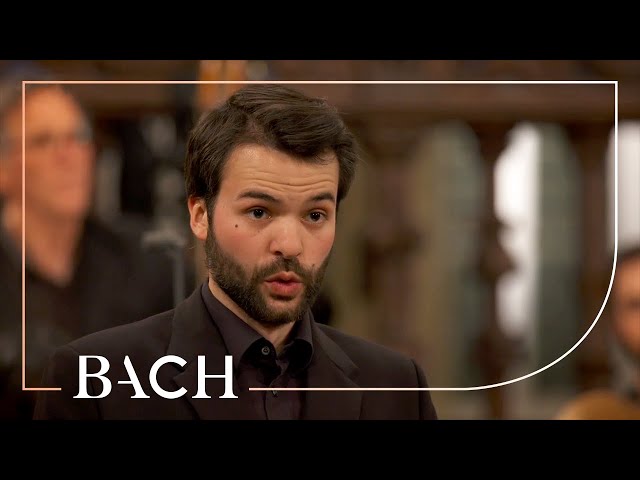
A pinnacle of Passion oratorios that renders biblical narratives in music with majestic harmonies and dramatic development.
Composed by the father of music, Johann Sebastian Bach, this work centers on the Evangelist’s narration, interweaving the crowd’s fiercely emotional choruses with arias that voice profound personal lament and prayer.
One is drawn into a world that combines the tension of an epic opera with the serenity of chorales that soothe the soul.
Premiered in Leipzig on April 7, 1724, this masterpiece is today represented by numerous celebrated recordings, such as Bach Collegium Japan’s album “J.S.
Bach: St.
John Passion, BWV 245.” When you want to immerse yourself in richly narrative classical music, why not surrender to its dramatic resonance?
Classics: Masterpieces of Oratorio — Recommended Classical Music (11–20)
Oratorio “Saint Nichiren”Mayuzumi Toshirō
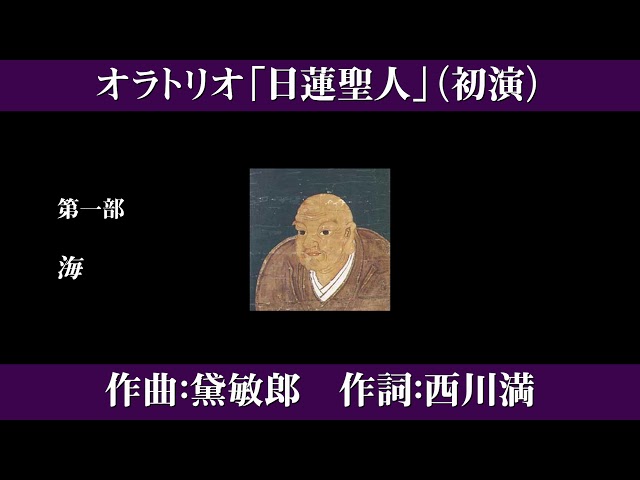
Toshiro Mayuzumi is known as a composer who represents Japan’s postwar music scene.
He was active not only in contemporary music but also in film music.
Among his works, this grand piece—expressing a Buddhist worldview through the Western oratorio form—is nothing short of overwhelming.
It depicts the life of Nichiren in five parts—Sea, Flower, Light, Snow, and Mountain—where Japanese narration, a sonorous chorus, and a symphonic orchestra unite to weave an epic narrative.
In the final section, the climactic rise powered by the repeated chanting of the daimoku is sure to stir the listener’s soul.
The work premiered in April 1982 as part of the commemoration of the 700th anniversary of Saint Nichiren’s passing.
It is a masterpiece I strongly recommend to anyone seeking a one-of-a-kind musical experience that fuses Japanese spirituality with the framework of Western music.
Great FloodMichelangelo Falvetti

This is an oratorio composed by the 17th-century Italian composer Michelangelo Falvetti.
Written to a libretto based on the Old Testament story of Noah’s Ark, the music depicts the scene in which God decides to bring a great flood upon the earth, the confusion of the people, the deaths of many in the storm, and the moment when Noah’s family, having survived aboard the ark, offer thanks to God.
In 1682, when Falvetti assumed the post of maestro di cappella at the cathedral in Messina, a strait-side town on the island’s eastern coast, this Deluge was premiered there in the same year.
Judit of VictoryAntonio Vivaldi
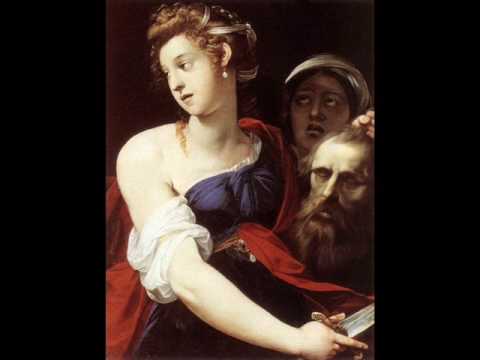
This is an oratorio by the Italian composer Antonio Vivaldi, famous for The Four Seasons.
As the title suggests, it opens with powerful, triumphant music.
Composed in 1716 for the Ospedale della Pietà, where Vivaldi taught, it sets a story about the faith of a woman from the Book of Judith.
Juditha triumphans is the only surviving oratorio by Vivaldi; he is said to have written three others, but they have been lost and can no longer be heard today.
If we could hear them, it would be wonderful to do so.
Oratorio “The Apostles,” Op. 49Edward Elgar

An oratorio by the British composer Edward Elgar, also known for works like “Pomp and Circumstance.” Based on the New Testament, it’s a grand piece that runs to about two hours.
Perhaps the real highlight is the vivid psychological portrayal of its characters.
Elgar conveys the emotions of Judas, tormented by guilt, and Mary Magdalene, seeking salvation, using intricate leitmotifs that reflect Wagner’s influence.
You can also revel in the dramatic dynamics unique to orchestra and chorus—complete with the ancient shofar sounding.
Premiered in 1903, the work continues to be highly esteemed; a performance conducted by Sir Mark Elder won at the 2013 BBC Music Magazine Awards.
Highly recommended for those who want to immerse themselves in a richly narrative world of classical music.