

How many can you read? Test your trivia skills with a brain-twisting ateji quiz!

“Amazons,” “Western hand towel,” “London”…
Just looking at the kanji, you’d never guess how to read them, but once you hear the answers, you can’t help but think, “Ah, that makes sense!” That’s the fun of ateji quizzes.
When you find out that foreign place names, instruments, foods, and other everyday katakana words can actually be written in kanji, it kind of changes how you see the world, doesn’t it? In this article, we’ve gathered ateji quizzes you can try casually, each with a multiple-choice hint.
Relax your mind and enjoy them with your family and friends!
- One-character difficult kanji quiz: a multiple-choice (3 options) game to learn the readings of challenging kanji
- [For Elementary School Students] Country Names in Kanji Quiz. A quick, fun quiz
- [General Knowledge] Summary of Kanji Quizzes Representing Country Names
- A three-choice quiz of useful trivia: a collection of questions you can use in everyday life
- A quiz of interesting obscure kanji: characters that look easy but are hard to read
- [Interesting] Summary of Kanji Reading Quiz Questions
- How many can you read? A quiz on difficult kanji for foods
- [3-choice quiz] Can you get them all? Showa Quiz
- [Hard-to-Read Quiz] Single-character difficult kanji — including surprisingly simple ones!
- How many can you get right? A tricky 3-choice trivia quiz you'll want to tell someone about
- A quiz on how to read obscure kanji: words that become difficult when written in kanji.
- A multiple-choice quiz with three options for upper elementary students. Fun questions that build thinking skills.
- Surprisingly tricky! Check your general knowledge with a four-character idiom quiz
How many can you read? Test your trivia skills with a brain-teasing ateji quiz! (1–10)
Western hand towel
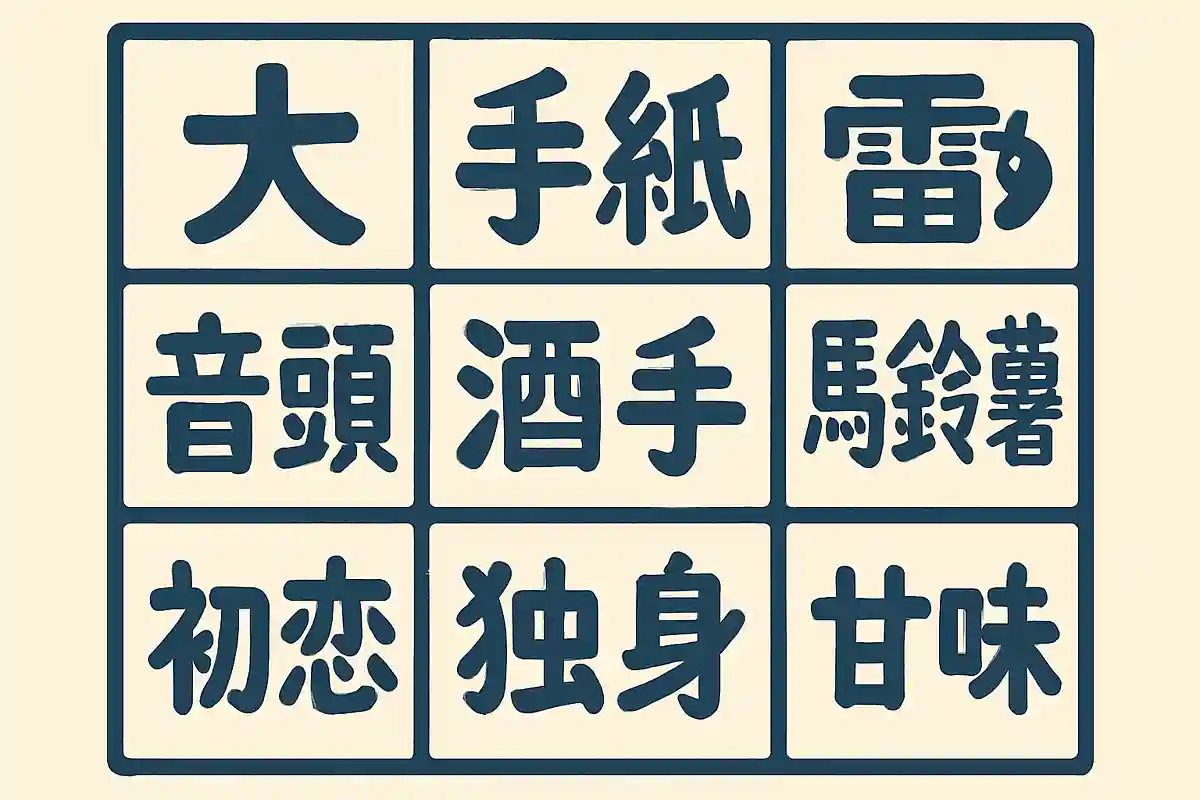
- toilet paper
- towel
- handkerchief
See the answer
towel
The correct answer is “towel.” In the early Meiji period, foreign-made towels from countries like Britain were imported into Japan. At the time, they were very soft and warm fabrics, and because they were still expensive, they were sometimes used as scarves or cloths wrapped around the neck. Later, towel manufacturing techniques spread within Japan, and today towels are widely used as everyday items for drying hands and bodies.

tablecloth
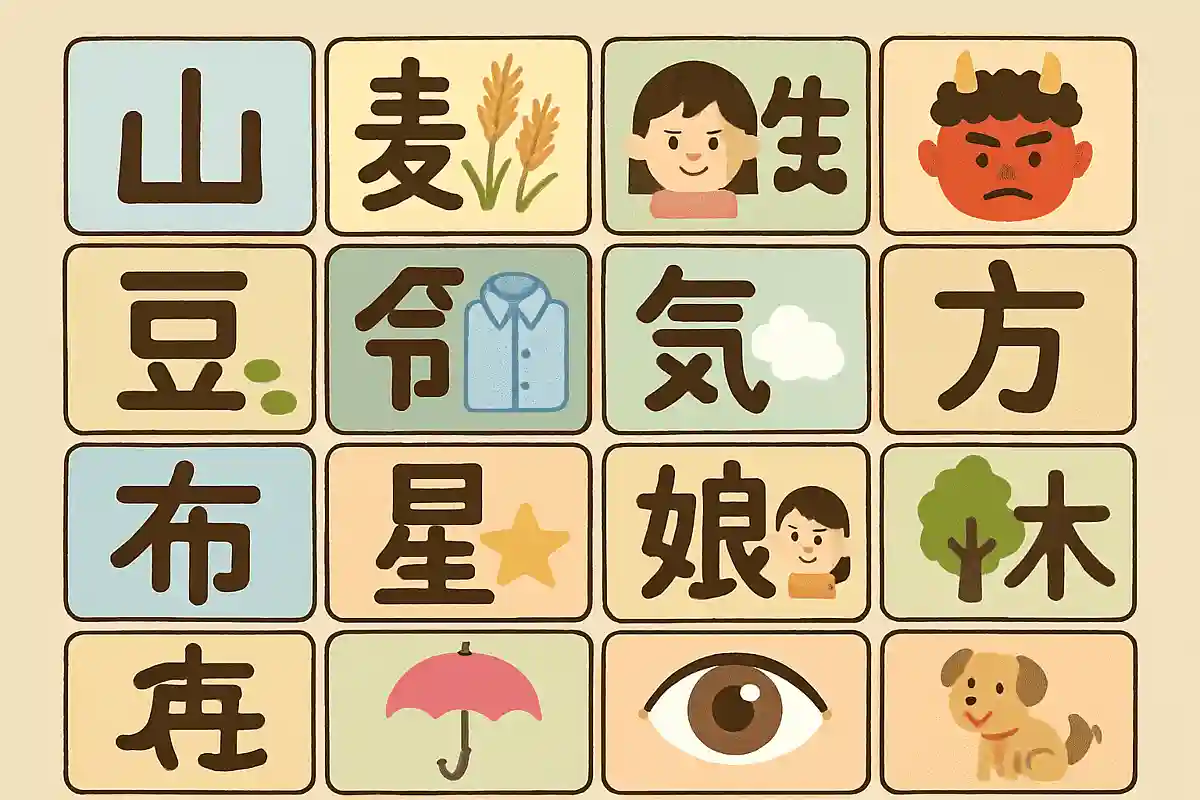
- tablecloth
- Carpet
- flooring
See the answer
tablecloth
A tablecloth is the cloth that you drape over a dining table, right? That’s why this phonetic rendering is used. It’s mainly used during meals, and it not only protects the table from stains and scratches but also serves to decorate the dining area. Fabrics vary—cotton, linen, and synthetics among others—and there’s a wide range, from patterned designs for everyday use to formal white linen. In Europe, it has been used as a luxury fabric since the Middle Ages and became widespread for formal dining.
dove zither
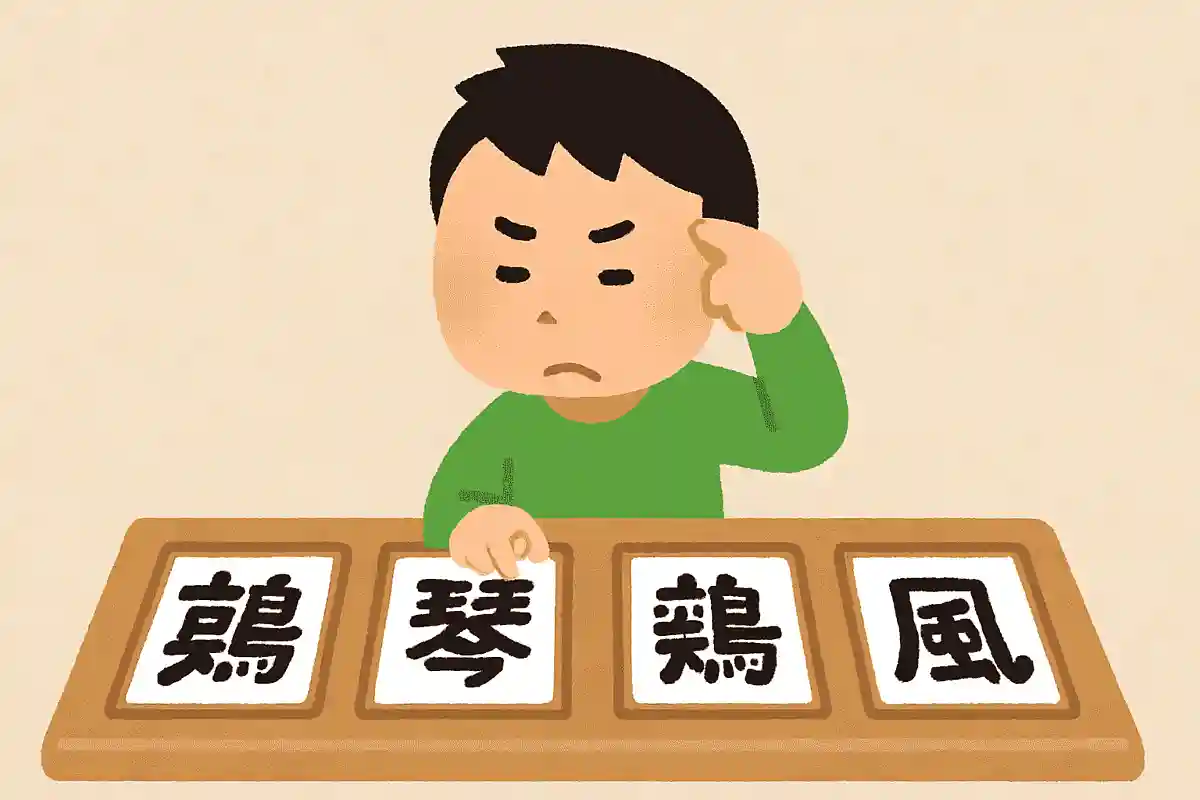
- ocarina
- piano
- recorder
See the answer
ocarina
Around 1853 in the 19th century, in the Italian town of Budrio, a young person made a clay flute capable of producing a musical scale and named it the “ocarina.” The word ocarina comes from Italian and means “little goose.” Although ancient clay flutes existed in many parts of the world, this particular form of instrument began to spread from that time. In Japan, it was introduced in the 20th century, and the improved instrument became widely known.
How many can you read? Test your trivia skills with a brain-teasing ateji quiz! (11–20)
koala
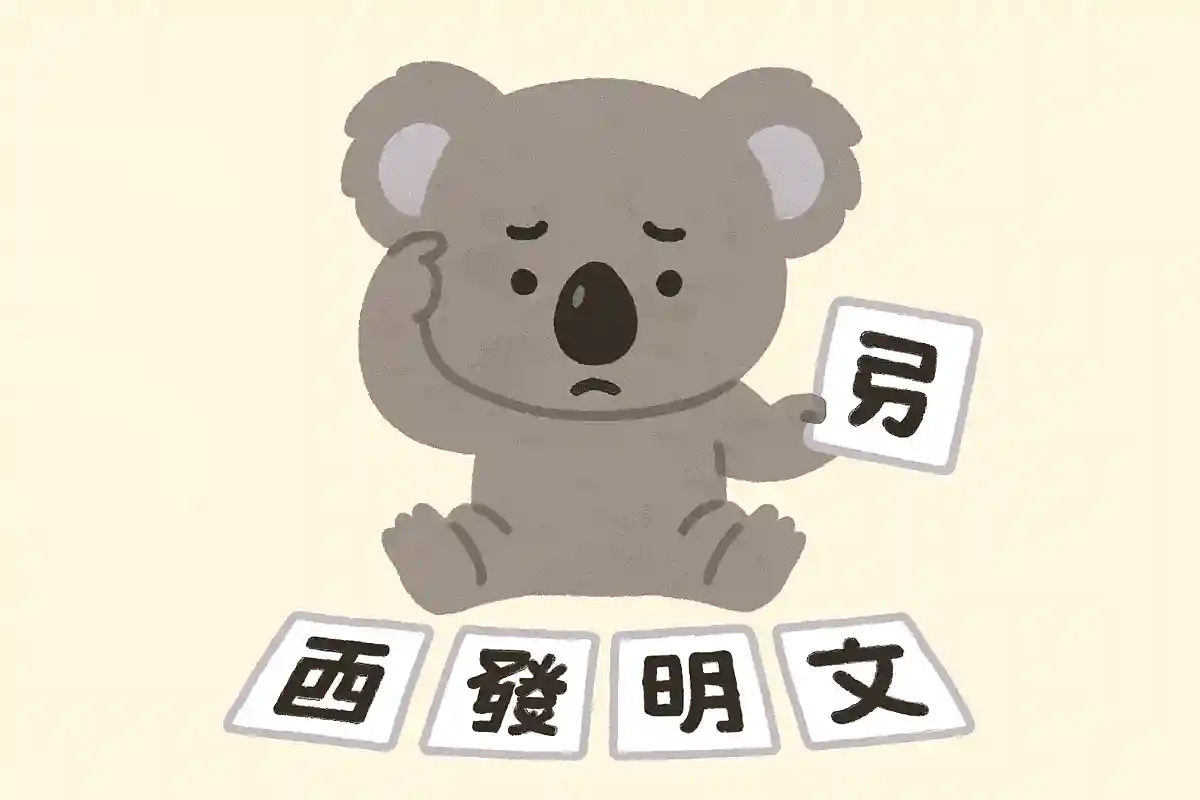
- koala
- panda
- bat
See the answer
koala
Another name used in Japan to refer to koalas. Koalas are marsupials that live in Australia, spend their lives in trees, and raise their young in a pouch; because they are often seen piggybacking or cradling their babies, the word “komori” (childcare/nanny) was applied to them. Since they look like round, cute bears, the character for “bear” (熊) is also used in Japan.
Genghis Khan

- borscht
- Genghis Khan (also refers to a Japanese grilled mutton dish called 'Jingisukan')
- Nasi goreng
See the answer
Genghis Khan (also refers to a Japanese grilled mutton dish called 'Jingisukan')
It’s a name inspired by the famous Mongolian hero Genghis Khan. It’s believed that a man from Hokkaido named Tokuzo Komai gave this name to a Japanese lamb dish. According to a story written by Komai’s daughter, he used Genghis Khan’s name to give the lamb dish a strong, powerful image. The dish itself isn’t Mongolian cuisine; it’s a way of grilling lamb that became popular in Japan and is beloved as a specialty of Hokkaido.
seal
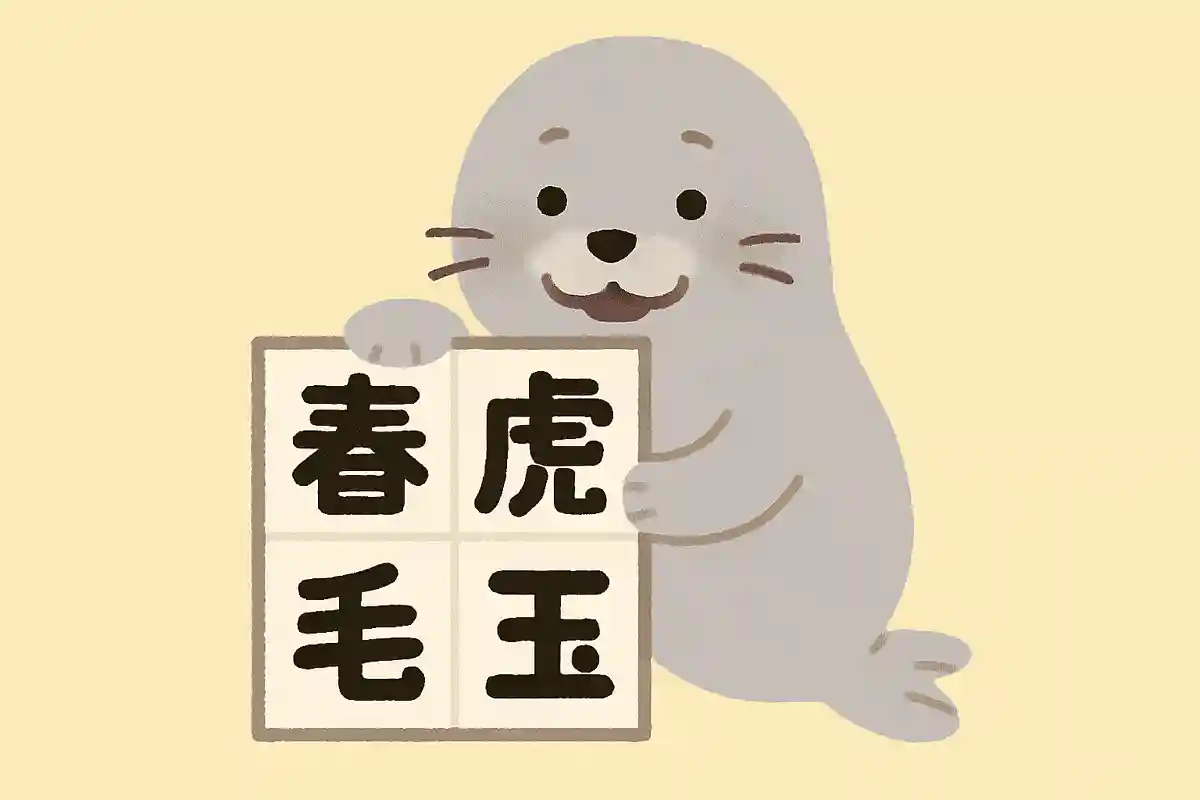
- sea lion
- sea otter
- seal
It’s another name for “azarashi” (seal). The kanji are “海” (umi, sea) and “豹” (hyou, leopard), implying an animal in the sea with leopard-like spots. In fact, many species, such as the spotted seal (gomafu-azarashi), have spots on their bodies, which evoke a leopard’s pattern. It can also be written as “水豹” (water leopard), and both are used as alternate names for seals.
steamed bun
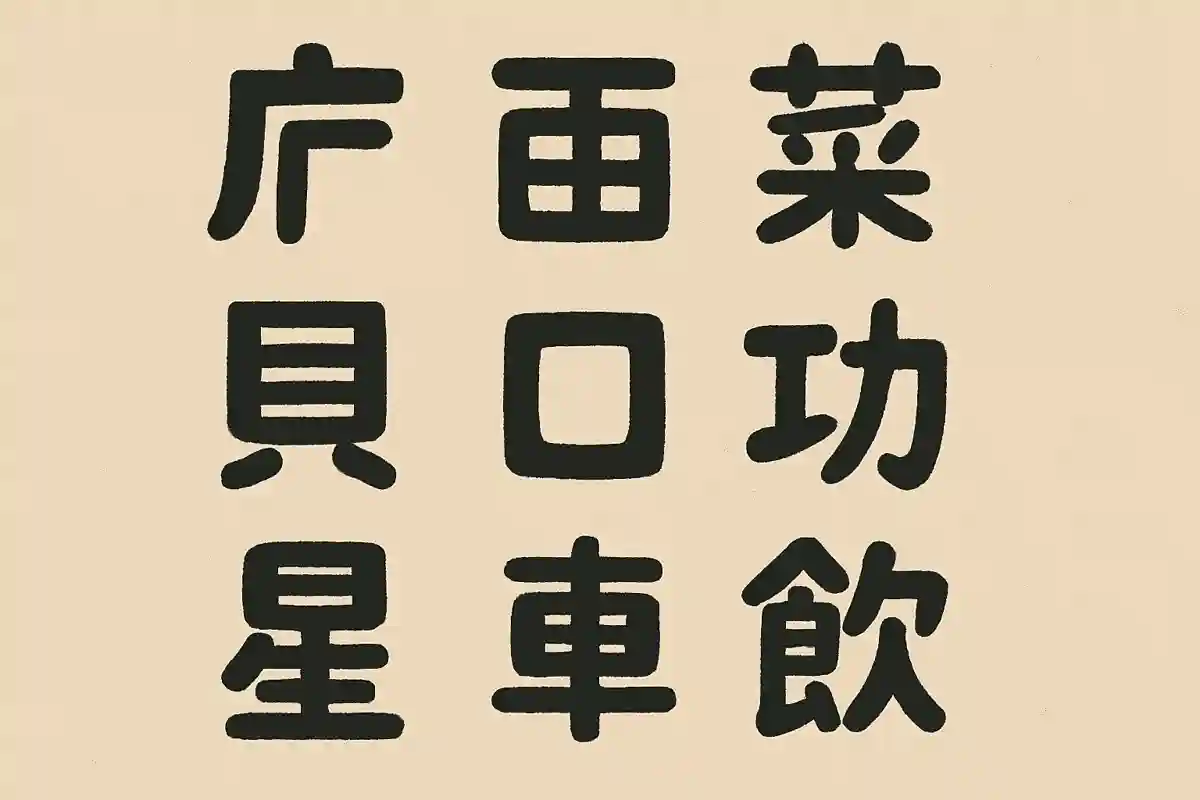
- shumai
- bread
- soufflé
See the answer
bread
Bread was introduced to Japan from abroad and is said to have arrived together with firearms when the Portuguese came to Tanegashima in the 16th century. At that time bread was rare and did not become widespread among the general public, but by the late Edo period there are records that Egawa Tarōzaemon baked bread as a portable ration for soldiers. In the Meiji era, with the push for modernization, bread culture drew attention again, and especially the anpan made by Kimuraya Sohonten in Ginza became a big hit and spread widely.