



“Amazons,” “Western hand towel,” “London”…
Just looking at the kanji, you’d never guess how to read them, but once you hear the answers, you can’t help but think, “Ah, that makes sense!” That’s the fun of ateji quizzes.
When you find out that foreign place names, instruments, foods, and other everyday katakana words can actually be written in kanji, it kind of changes how you see the world, doesn’t it? In this article, we’ve gathered ateji quizzes you can try casually, each with a multiple-choice hint.
Relax your mind and enjoy them with your family and friends!
- One-character difficult kanji quiz: a multiple-choice (3 options) game to learn the readings of challenging kanji
- [For Elementary School Students] Country Names in Kanji Quiz. A quick, fun quiz
- [General Knowledge] Summary of Kanji Quizzes Representing Country Names
- A three-choice quiz of useful trivia: a collection of questions you can use in everyday life
- A quiz of interesting obscure kanji: characters that look easy but are hard to read
- [Interesting] Summary of Kanji Reading Quiz Questions
- How many can you read? A quiz on difficult kanji for foods
- [3-choice quiz] Can you get them all? Showa Quiz
- [Hard-to-Read Quiz] Single-character difficult kanji — including surprisingly simple ones!
- How many can you get right? A tricky 3-choice trivia quiz you'll want to tell someone about
- A quiz on how to read obscure kanji: words that become difficult when written in kanji.
- A multiple-choice quiz with three options for upper elementary students. Fun questions that build thinking skills.
- Surprisingly tricky! Check your general knowledge with a four-character idiom quiz
How many can you read? Test your trivia skills with a brain-teasing ateji quiz! (1–10)
Everyone has their strengths and weaknesses.

- Beethoven
- Bach
- Mozart
See the answer
Mozart
The correct answer is Mozart, a famous 18th-century Austrian composer and one of the leading figures of the Viennese Classical era. Standing alongside Haydn and Beethoven, he left numerous masterpieces across a wide range of genres, including opera, symphonies, and piano works. Operas such as The Marriage of Figaro, Don Giovanni, and The Magic Flute, as well as his piano sonatas, continue to be cherished around the world today.

Amazon
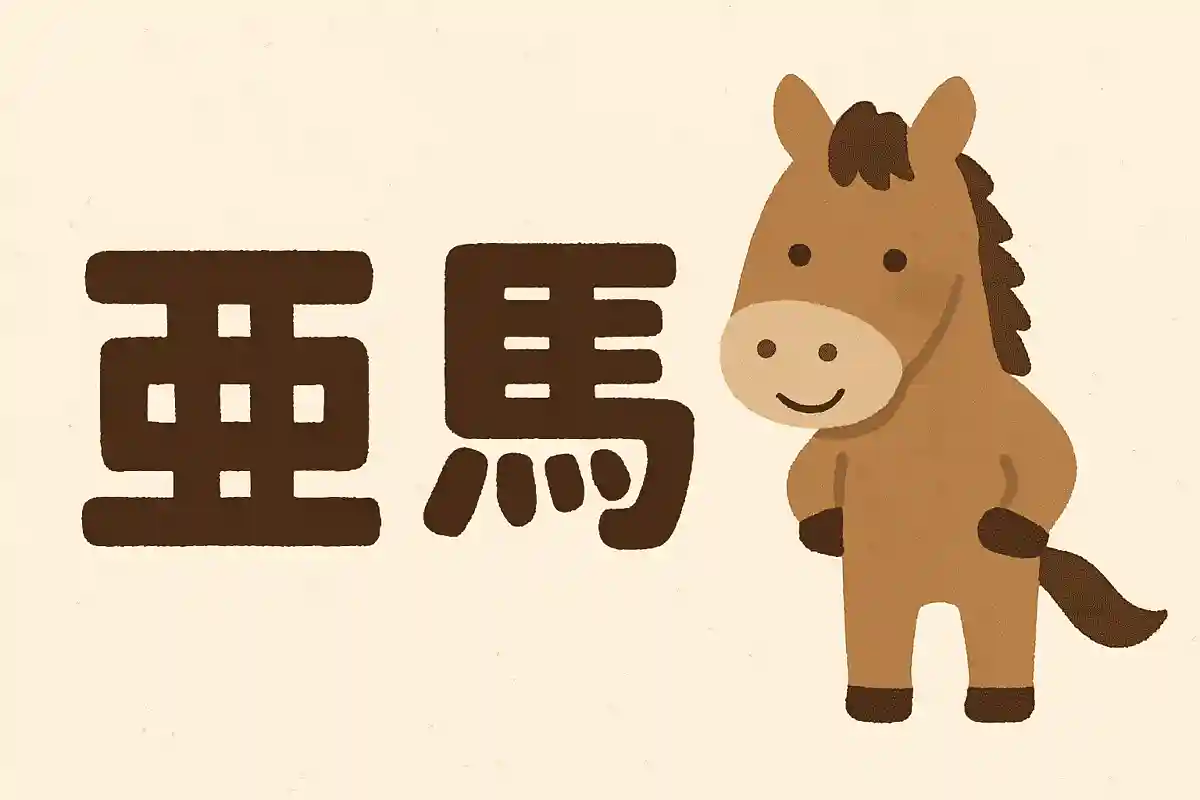
- Ireland
- Amazon
- ice hockey
See the answer
Amazon
Amazon can also be written with the ateji characters “亜馬孫,” and it is known as one of the largest rivers in the world. Flowing through the South American continent, it gathers many tributaries to form a vast basin. The Amazon River and the surrounding tropical rainforest are places with extremely high biodiversity, home to thousands of fish species as well as many birds, mammals, and reptiles.
artificial butter
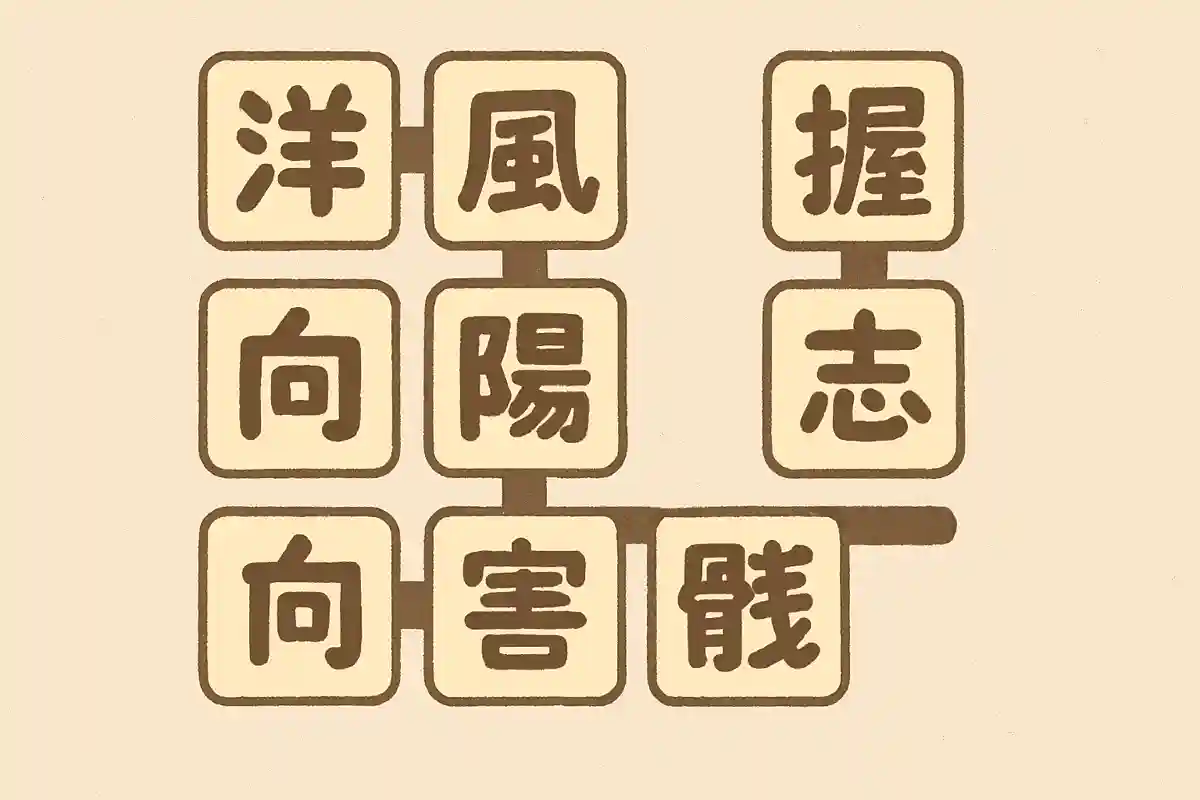
- soft serve ice cream
- margarine
- yogurt
See the answer
margarine
Margarine is a food created to be used as a substitute for butter and was originally made from plant and animal oils. In 1869, when Napoleon III of France called for “an inexpensive, usable alternative to butter,” the invention proposed by the chemist Hippolyte Mège-Mouriès was adopted. It was then named “margarine” because of its pearl-like appearance.
London
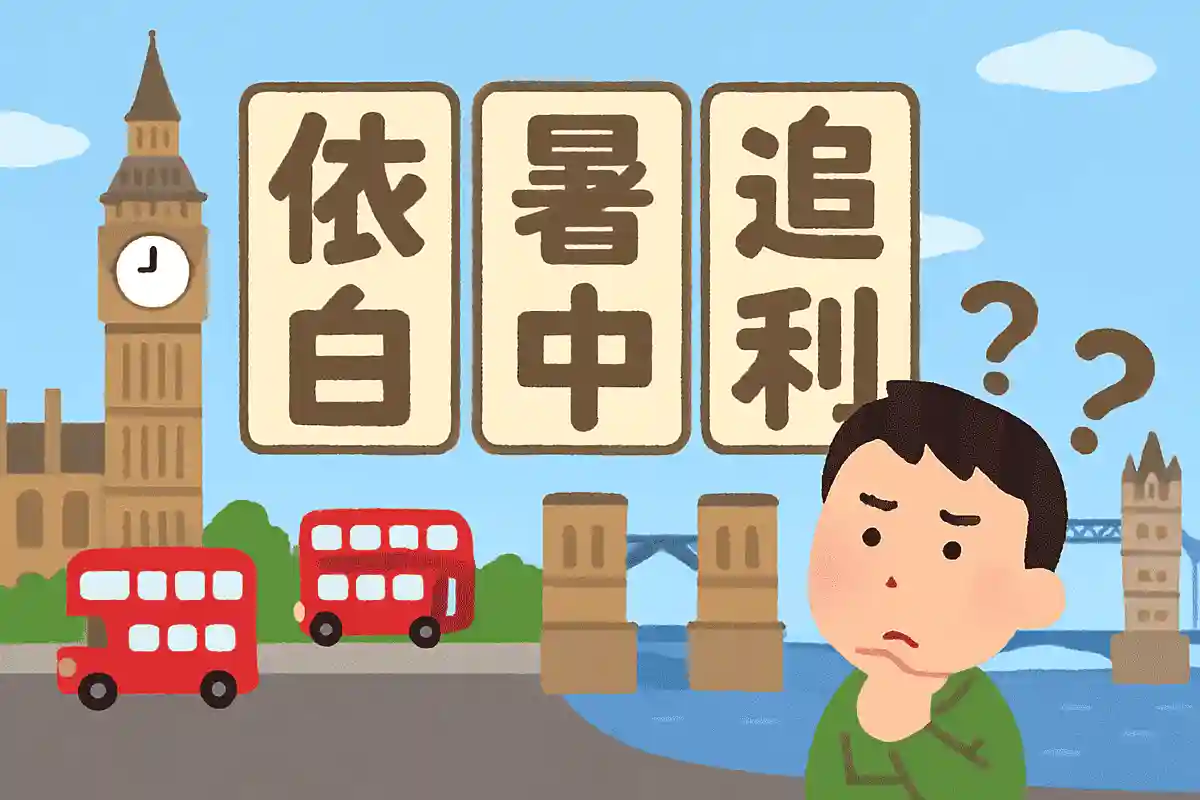
- Rome
- Russia
- London
See the answer
London
London is the capital of the country of the United Kingdom. It is a very large city where many people live, and it serves as a center of politics, culture, and work. It is located by a large river called the Thames and has a long history. In Natsume Sōseki’s novels, it appears with the older kanji name “倫敦,” a different way of writing it from today.
tautology
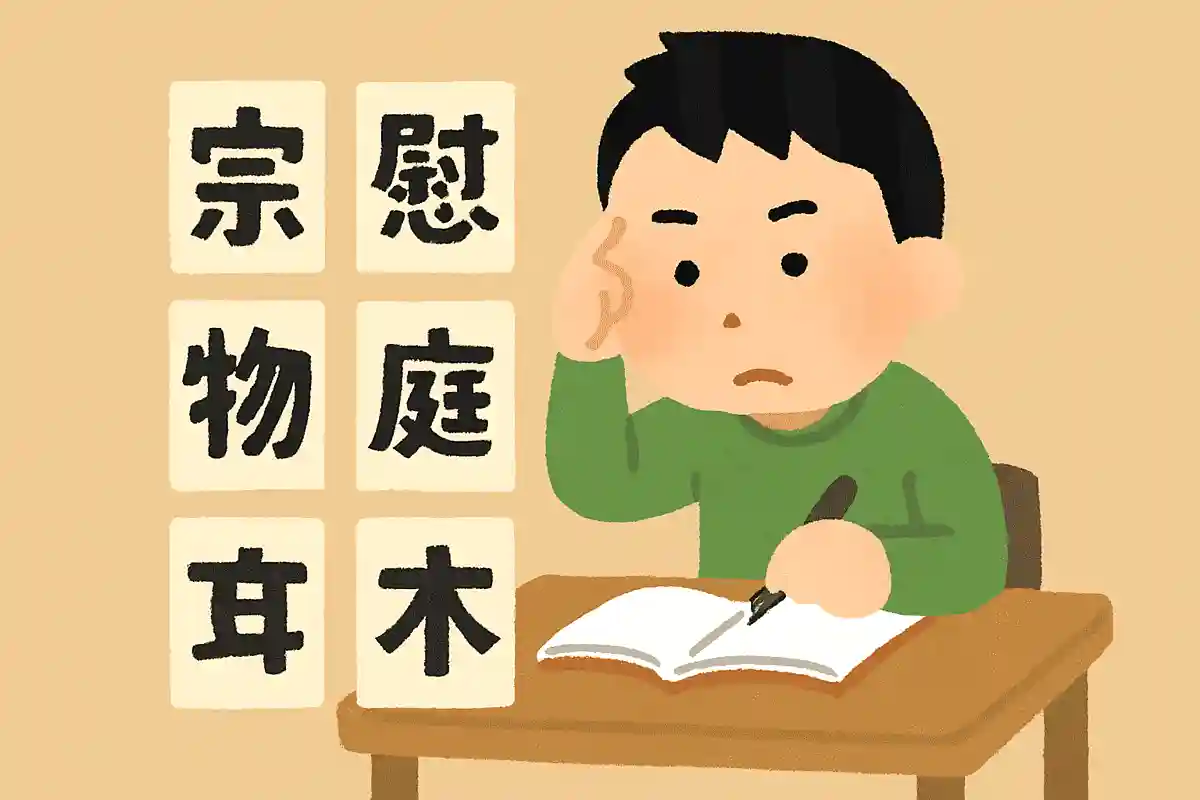
- Character
- Joke
- tsukkomi (the 'straight man' retort in Japanese comedy)
See the answer
Joke
It comes from the English word “joke” and refers to a jest or pun meant to make people laugh. In English, it’s used with meanings like “joke,” “funny story,” or “pun,” and it appears frequently in everyday conversation. In Japanese, in the past, the ateji “冗句” was sometimes used to approximate the English sound; the kanji alone can be hard to interpret, but the meaning is the same as the English joke. In other words, it refers to words or stories that entertain the listener.
tennis
- Handball
- Tennis
- soccer
See the answer
Tennis
It is said that the sport that became the basis of modern tennis developed from an old French “ball game played in gardens.” The sport was introduced to Japan in the Meiji era, when foreigners began playing it in places like Yokohama around the 1870s. At first, the equipment was expensive and it spread as a “stylish pastime” enjoyed by the wealthy, but gradually it came to be played in schools and parks as well.
self-sounding zither
- music box
- harmonica
- drum
See the answer
music box
It is said to have begun in 1796, when Swiss watchmaker Antoine Favre created a mechanism that produced sound by plucking metal teeth with a mainspring or rotating cylinder. Owing to this self-playing feature, it came to be called an “orgel” in Japan. By the late Edo period, it had been introduced to Japan through the Dutch and became a topic of conversation as a rare machine.