

[Beginner] Recommended Piano Pieces to Play at a Recital


A big event that everyone learning piano experiences is… the recital! Practicing to perform not only for family and friends but also for a wider audience helps keep up the motivation to continue playing piano.
Moreover, the experience of standing on stage alone and performing all the way through is sure to build great confidence.
To make such a recital truly rewarding, choosing the right pieces is key! Of course, developing performance technique is important, but since it’s a valuable chance to play on stage, you’ll want to select pieces that both the performer and the audience can enjoy together.
In this article, we’ll introduce famous pieces that are fun for both adults and children to play—not only classical works, but also popular music and film music.
We hope this helps you discover candidates for your next recital program.
- [For Elementary School Students] Brilliant, Showy Masterpieces That Sound Impressive at Piano Recitals
- [Congratulations on Your Recital Debut] Recommended Pieces for Your First Piano Recital
- Piano Masterpieces: Surprisingly Easy Despite Sounding Difficult!? A Curated Selection Perfect for Recitals
- [Piano Pieces] Easy for Children to Play! A Roundup of Simple Classical Works
- For Beginners: Easy to Play and Sounds Impressive! Pieces That Shine at Piano Recitals
- [Piano Recital] Recommended for Boys! A Curated Selection of Cool, Impressive, and Popular Pieces
- [For Piano Recitals] Simple yet Cool Classical Pieces
- [Beginner] Recommended for adult piano beginners! Beautiful & stylish piano pieces
- [Beginner] Also great for piano recitals! Classical pieces that look cool when you can play them
- Recommended for piano beginners! 10 sheet music picks that adults can enjoy too
- Disney Classics on Piano: A Curated Selection of Easy Pieces, Perfect for Recitals
- Beginner to Intermediate: Chopin pieces with relatively low difficulty. Recommended works by Chopin.
- [For 6-year-olds] A curated selection of standout pieces for piano recitals!
Beginner Level: A Selection of Recommended Piano Pieces to Play at Recitals (Nos. 51–60)
Dance of the nativesNakata Yoshinao

For a six-year-old looking for a powerful and cool piece, how about a work by the Japanese composer Yoshinao Nakata? It conjures up a wild, energetic scene, as if one were dancing and stamping the earth with vigor.
Clearly differentiating staccatos and accents will be key to expressing the piece’s dynamism.
In fact, there’s a record of it winning first prize at a competition held in 2004.
This piece is perfect for practicing dynamic contrasts and is recommended for children who want to play a slightly more advanced, cool piece at a recital.
Children’s Corner No. 6: “Golliwogg’s Cakewalk”Claude Debussy

A thrilling piece in which a lively, light-footed melody dances over the cakewalk rhythm that was popular in America at the time it was composed.
“Golliwogg’s Cakewalk,” the sixth piece from Children’s Corner, is a popular work often chosen for recitals.
Golliwogg was the name of a doll that was fashionable at the time and is said to have been a favorite of Claude Debussy’s daughter.
With its striking dynamics and accents, it’s an engaging piece; as you perform, it’s best to pay close attention to the notated instructions while keeping a buoyant, springy rhythm.

paprikaFoorin
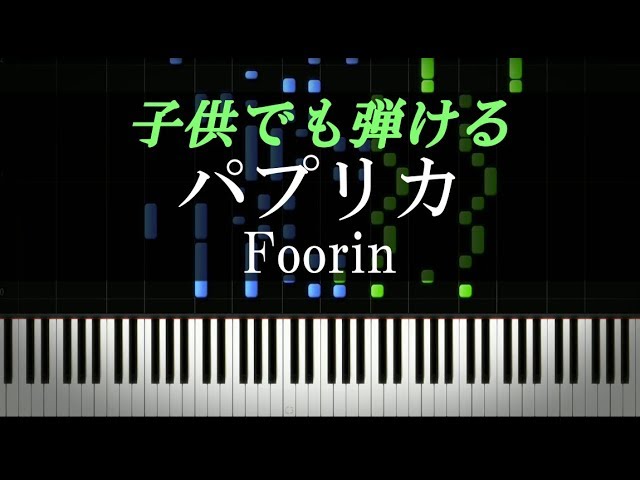
Paprika, a children’s song produced by Kenshi Yonezu, became hugely popular.
Its music video surpassed 100 million views, and the dance to Paprika was incorporated into sports day programs at many kindergartens and elementary schools, turning it into a social phenomenon.
Because the rhythm and sequence of sounds aren’t all that simple, playing it on piano or other instruments takes a fair bit of practice.
However, it’s such a fun song that you’ll be wrapped in excitement as you play, so practice will feel energizing and progress smoothly!
strollJoe Hisaishi
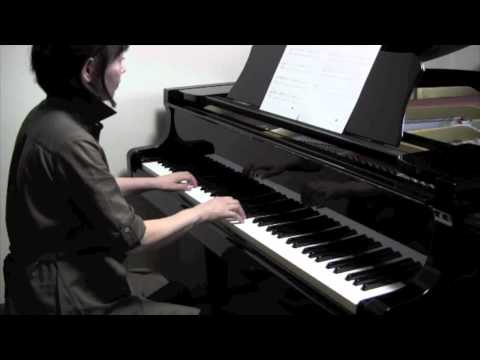
Despite the decades that have passed since the 1988 release of the animated film My Neighbor Totoro, its opening theme “Sanpo” remains an unshakably popular staple for recitals.
The cry of “I want to play Totoro!” from students has become a familiar refrain for piano teachers.
With many different arrangements available for purchase, it’s easy to find sheet music suited to each player’s level—perhaps another reason for its enduring popularity.
[Beginner] Recommended Piano Pieces to Play at Recitals (61–70)
Farewell, pianoLudwig van Beethoven

Among Ludwig van Beethoven’s piano works, this piece is well loved as an entry-level selection.
Its gentle melody is memorable, making it a great recommendation for those just starting the piano.
The left hand’s arpeggios provide a flowing accompaniment.
The modulation to A-flat major is especially beautiful, leaving an impression of wistful melancholy.
It’s a work that fully showcases the piano’s charm, making it perfect for recital performances.
Practice the relaxed, elegant melody with care, and aim for a performance that warmly envelops the hearts of your listeners.
Turkish MarchLudwig van Beethoven

Turkish March by Ludwig van Beethoven vividly conjures the image of soldiers marching in lockstep.
It’s a piece that children who are beginning piano often dream of playing at least once, and it’s also known as a staple for recitals.
Within its bright, peaceful atmosphere, there’s a sense of strength, making it a perfect piece for boys who want to perform something cool.
Keep a crisp, steady tempo with the left hand, and play accurately with the right hand so the notes don’t tumble, aiming to express the dignified spirit of the soldiers’ march.
Burgmüller 25 Etudes, Op. 100 No. 25 “La chevaleresque” (The Lady’s Ride)Johann Burgmüller

A dazzling and valiant piece that concludes the 1851-published album 25 Etudes, Op.
100.
The original title of this work means “chivalry,” and true to its name, it lets you feel like the dignified yet elegant hero of a story.
The staccato passages, like a horse stepping lightly, and the scales driving toward the climax make your heart dance just by listening.
In performance, the key is whether you can express the shifting scenes through dynamics and varied touch.
It’s a piece that invites you to imagine a narrative and enjoy discovering your own unique interpretation.