

Polka masterpieces. Recommended popular songs.

Are you familiar with “polka,” a Czech folk music genre with a simple, friendly melody and a fast tempo that makes you want to move your body? Even if you don’t know the name of the genre, many people will recognize it when they hear a famous polka tune.
In Japan, it has even been featured for children on the TV program Minna no Uta, and interestingly, some polka songs became well-known in the 2000s through Flash animations and performances by Hatsune Miku.
This article is a collection of delightful polka classics—please enjoy them together with your children!
- [Classics] Famous waltzes: recommended popular pieces
- [Irish Folk Songs] Surprisingly Familiar Masterpieces and Standards of Ethnic Music
- [Celtic Music] Masterpieces of Celtic music. Recommended Irish music
- Famous Western songs everyone knows: a roundup of classic tunes you’ve heard somewhere before
- [Tango] Famous Tango Songs: Recommended Popular Tracks
- [Nostalgic Collection] Classic oldies masterpieces. Recommended popular songs
- [Hymns] Famous hymns and sacred songs. Recommended hymns and sacred songs.
- Everything is stylish! Popular music in France
- Famous German Folk Songs | That familiar tune in Japan was actually a German folk song?!
- Also great as café music! Introducing famous tunes to savor the charm of musette
- Fado masterpieces. Recommended popular songs.
- Recommended Latin Music | Introducing Stylish Masterpieces
- [Western Music] Upbeat and cute songs by female artists
Polka masterpieces. Recommended popular songs (11–20)
Tritsch-Tratsch-Polka

It’s a famous polka often heard at school sports days, so you’ve probably come across it at least once.
“Tratsch” means “gossip” in German, and pairing it with “Tritsch” creates a playful, onomatopoeic feel that is said to evoke street chatter and idle talk.
Back in the day, there was apparently a magazine called “Tritsch-Tratsch,” similar to today’s weekly tabloids, that ran celebrity gossip.
Its light, glamorous sound and rhythm are distinctive! It’s perfect for sports day playlists and also a great recommendation for anyone listening to polka for the first time.

Annen-Polka (Johann Strauss II)

A polka composed by Johann Strauss II for the Feast of St.
Anne.
It was first performed at a woodland music festival held in the courtyard of a restaurant in an amusement park on the eve of the feast, where it became hugely popular.
There were even rumors that Strauss II was a bit of a mama’s boy, so it’s said he dedicated the piece to his beloved mother, Anna.
His father, Johann Strauss I, had also composed a polka with the same title ten years before this piece was premiered, so be sure to give that one a listen too! In Japan, it has been featured on NHK E-Tele and even used as background music in video games.
Hatake no Polka
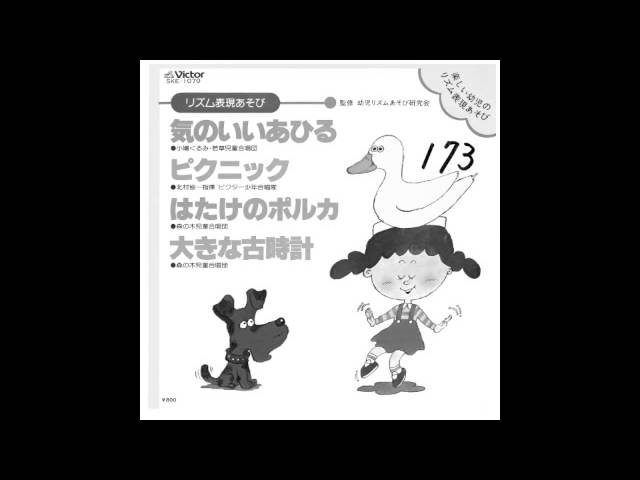
Hatake no Polka is popular at nursery schools and kindergartens.
It’s based on a Polish folk song, though the details are unclear.
It’s an ideal piece for rhythm play for young children.
In the story, lots of crops are planted in the field, but the vegetables that were carefully planted get eaten by sheep, piglets, and chickens! Afterwards the sheep and piglets are caught, but instead of being punished, everyone ends up dancing the polka together in the field—a very peaceful moment.
It’s a song that even very young children can enjoy.
Pizzicato Polka

A collaborative polka created by the brothers Johann Strauss II and Josef Strauss.
It is said to have been born after the two went on a trip to Russia and tried a piano four-hands duet together.
As the title suggests, it is composed solely of the pizzicato technique—plucking the strings with the fingers—and overflows with a humorous atmosphere.
How about listening to this masterpiece, written by adult brothers with a childlike sense of play? It’s a polka that lets both children and adults feel like kids again and enjoy it together!
Champagne Polka

This is a polka composed by Johann Strauss II, also known as the Champagne Polka.
He is said to have gone on concert tours to Saint Petersburg, the capital of Russia, every summer, and he reportedly composed this piece over a short period during one such trip.
Despite the brief time, the piece has a carefully crafted structure and a humorous flavor! The effect of including the sound of a champagne bottle being opened in the music is also striking.
Although it’s said to be performed only rarely, it’s aurally engaging and seems like something that would be exciting to listen to with children.
A highly recommended polka.
Hop-Scotch Polka

Hopscotch is a traditional game popular among children in English-speaking countries.
You draw squares on the ground and play by hopping on one foot.
It was brought to Japan after the Meiji era and became hugely popular as “ishikeri” up until around the late 1960s.
Although the game aspect has faded, children still play “kenkenpa” today.
Polka, inspired by hopscotch, has a retro vibe and features delightful, bouncy sound effects—it’s a fun tune! It would be great to listen to it while playing kenkenpa with your child.
Polka masterpieces. Recommended popular songs (21–30)
Beer Barrel Polka

“Beer Barrel Polka” is known as a work by Czech composer Jaromír Vejvoda.
It is said to have become widely known as “Beer Barrel Polka” upon the publication of the English lyrics.
This is a performance by the Tokyo Fire Department Band at the Harumi Passenger Ship Terminal.