

Polka masterpieces. Recommended popular songs.

Are you familiar with “polka,” a Czech folk music genre with a simple, friendly melody and a fast tempo that makes you want to move your body? Even if you don’t know the name of the genre, many people will recognize it when they hear a famous polka tune.
In Japan, it has even been featured for children on the TV program Minna no Uta, and interestingly, some polka songs became well-known in the 2000s through Flash animations and performances by Hatsune Miku.
This article is a collection of delightful polka classics—please enjoy them together with your children!
- [Classics] Famous waltzes: recommended popular pieces
- [Irish Folk Songs] Surprisingly Familiar Masterpieces and Standards of Ethnic Music
- [Celtic Music] Masterpieces of Celtic music. Recommended Irish music
- Famous Western songs everyone knows: a roundup of classic tunes you’ve heard somewhere before
- [Tango] Famous Tango Songs: Recommended Popular Tracks
- [Nostalgic Collection] Classic oldies masterpieces. Recommended popular songs
- [Hymns] Famous hymns and sacred songs. Recommended hymns and sacred songs.
- Everything is stylish! Popular music in France
- Famous German Folk Songs | That familiar tune in Japan was actually a German folk song?!
- Also great as café music! Introducing famous tunes to savor the charm of musette
- Fado masterpieces. Recommended popular songs.
- Recommended Latin Music | Introducing Stylish Masterpieces
- [Western Music] Upbeat and cute songs by female artists
Polka masterpieces. Recommended popular songs (21–30)
Long live Hungary!

Polka Schnell “Long Live Hungary! (Éljen a Magyar!)”, Op.
332.
Johann Strauss II is said to have presented this work in 1869 to celebrate the second anniversary of Hungarian autonomy.
Performed by the Strauss Chamber Orchestra, conducted by Horst Sohm.
a wandering eye
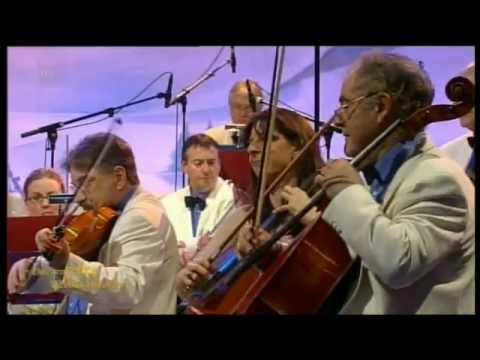
Leichtes Blut (Light of Heart) Op.
319 by Johann Strauss II.
The original title carries meanings such as “easygoing nature,” “throbbing heart,” and by extension “Viennese temperament.” Performed by the Frankfurt Symphony Orchestra, conducted by Stefan Ottersbach.
Polka masterpieces. Recommended popular songs (31–40)
Tick-Tock Polka

Polka Schnell “Tic-Tac Polka (Tik-Tak-Polka),” Op.
365.
Johann Strauss II composed this polka using melodies from his operetta Die Fledermaus.
Conducted by Christian Benda and performed by the Orchestra Filarmonica di Torino.
Italian Polka

Italian Polka is a work by the Russian composer Sergei Rachmaninov.
It was written based on a performance he heard by a street musician in Italy.
This four-hand piano duet is performed by Dmitri Alexeev and Nikolai Demidenko.
Polka from the Mexican Suite
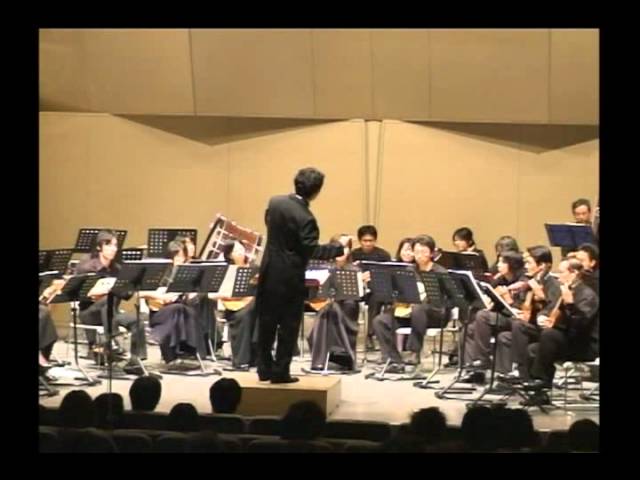
Polka, the fifth piece from the Mexican Suite.
The composer, Eduardo Angulo, is a Mexican musician who writes chamber music for various instrumental combinations, as well as choral and orchestral works.
The performance is from a concert by the mandolin ensemble “Kojirō-gumi.”
Town and countryside
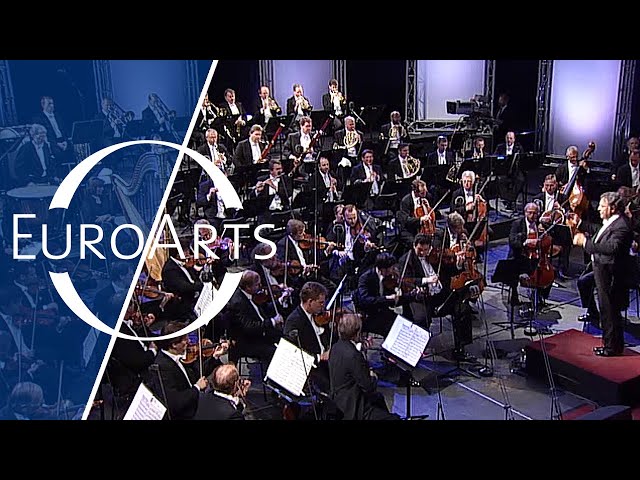
Town and Country (Stadt und Land), Op.
322.
A polka-mazurka composed by Johann Strauss II.
It was written in 1868 for a Carnival promenade concert organized by the Association of Horticulturists.
Performed by the Vienna Philharmonic Orchestra, conducted by Zubin Mehta.
Small waterwheel

“Little Watermill (Moulinet),” Op.
57.
A polka française (French-style polka) composed by Josef Strauss.
While “Moulinet” can mean both a watermill and a windmill, in recent years the term “watermill” has tended to be used.
Performed by the Orquesta Sinfónica de León ‘Odón Alonso’ (Spain).