

Theme and insert songs from the long-running Monday 9 p.m. dramas: classic hits from popular series and recommended fan favorites


Fuji TV’s Monday 9 p.m.
slot—affectionately known as “Getsuku”—is one of the most popular time slots for TV dramas, home to many standout hits.
Over the years, countless masterpieces have been born, and just like the dramas themselves, their theme songs often attract a lot of attention.
In this article, we’ll showcase all the Getsuku theme songs—from past broadcasts to the themes of currently airing dramas—spanning all eras in one go!
From timeless classics that remain popular to the latest tracks, take your time listening and find your new favorite song.
- [2000–2009] A roundup of theme songs from popular dramas!
- [2010–2019] A roundup of theme songs from popular dramas
- Popular love song themes from Monday 9 p.m. dramas. Including the theme song from that smash-hit drama.
- [Drama Theme Songs] Over 800 Million Plays! A Curated Selection of Unforgettable Classics
- [Drama Soundtrack Collection] Timeless soundtrack masterpieces that revive the emotion: BGM and main theme
- Songs That Bring Back the Shows: Beloved Drama Theme Songs
- Memorable masterpieces. Recommended popular songs.
- Theme and insert songs from Japanese films. Masterpieces and popular tracks of Japanese movie music.
- A comprehensive look at all the theme songs from Mezamashi TV and Mezamashi Doyoubi throughout the years!
- A catchy tune that sounds familiar
- [April 2026] Trending songs: A roundup of the hottest, viral tracks right now
- [Unrequited Love] Heart-wrenching Love Songs | A Roundup of Tear-Inducing Crush and Breakup Tracks
- [Carefully Selected] Popular Love Songs: Recommended Romance Tracks
Theme and insert songs from the history of Monday 9 p.m. dramas: classic tracks from popular dramas and recommended hits (81–90)
Kiss me right nowLINDBERG

LINDBERG’s second single overall.
It was used as the theme song for the Fuji TV Monday 9 p.m.
drama “Sekai de Ichiban Kimi ga Suki!” In the drama, a kissing scene between the leads, Atsuko Asano and Hiroshi Mikami, was used in line with the lyrics.
It was also chosen as the theme song for the 2009 drama “Konkatsu, Rikatsu.”
Around The WorldMONKEY MAJIK
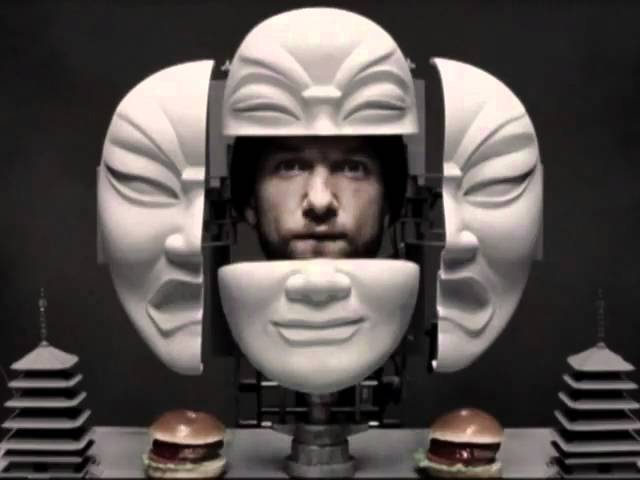
This is the theme song for the 2006 TV drama starring Shingo Katori of SMAP, Saiyuki (Journey to the West).
The show is based on the Chinese classical novel Journey to the West, which has been adapted into Japanese dramas many times, and the song features distinctive Chinese-inspired elements to match that image.
You can also sense the producers’ playful spirit in the fact that the 1978 version’s theme was Godiego’s “Monkey Magic,” while this time the theme is by “MONKEY MAJIK.”
GET CRAZY!PRINCESS PRINCESS

A signature song by PRINCESS PRINCESS, marked by powerful riffs and commanding vocals.
The lyrics, centered on fiery passion and strong bonds, strike a chord.
Released in July 1988, it was used as the theme song for Fuji TV’s Monday 9 p.m.
drama “You Lied.” Its heavy, hard rock–inspired sound reveals a new side of a band best known for a breezy image.
Conveying the strength to face the trials of love, this track encourages anyone striving to overcome hardship.
It’s a song packed with the appeal of PRINCESS PRINCESS, a five-woman band that achieved remarkable, trailblazing success.
dreamTHE BLUE HEARTS
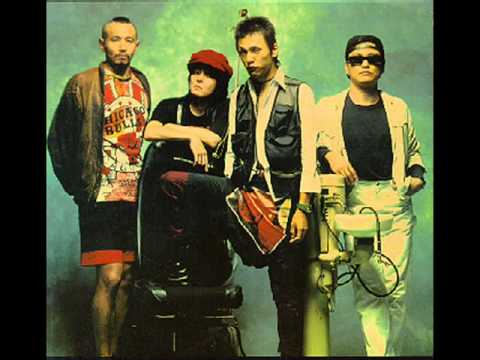
A track selected as the theme song for the 2002 drama “Hito ni Yasashiku.” In addition, many Blue Hearts songs were used as insert songs, and the opening paid homage to a Blue Hearts photo, clearly conveying the production team’s deep love for The Blue Hearts.
Jumpin’ Jack FlashThe Rolling Stones

This is the theme song for the 2012 TV drama “PRICELESS? Are You Kidding Me!?” starring Takuya Kimura.
Although the song itself—sung by the Rolling Stones—was a hit in 1968, it was chosen because its lyrics align with the protagonist’s upbeat attitude as he remains positive while being penniless.
To say goodbyebiriibanban

The theme song for the Nippon TV Saturday Grand Theater drama “3-chome 4-banchi.” With lyrics by Koji Ishizaka and music by Koichi Sakata, it was released by Nippon Columbia in February 1972 and sold about 800,000 copies.
The artist made their first appearance at the 23rd NHK Kōhaku Uta Gassen with this song.
Theme songs and insert songs from the history of Monday 9 p.m. dramas: iconic tracks from popular series and recommended hits (91–100)
FriendsRebekka

This is the theme song for the 1999 TV drama Lipstick.
Originally released in 1985, the song was also used as a drama theme at the time of its release.
The fact that it returned to the spotlight as a theme song more than a decade later could be seen as proof of its popularity.
It’s a beloved track that has been covered by many artists.