

Theme and insert songs from the long-running Monday 9 p.m. dramas: classic hits from popular series and recommended fan favorites


Fuji TV’s Monday 9 p.m.
slot—affectionately known as “Getsuku”—is one of the most popular time slots for TV dramas, home to many standout hits.
Over the years, countless masterpieces have been born, and just like the dramas themselves, their theme songs often attract a lot of attention.
In this article, we’ll showcase all the Getsuku theme songs—from past broadcasts to the themes of currently airing dramas—spanning all eras in one go!
From timeless classics that remain popular to the latest tracks, take your time listening and find your new favorite song.
- [2000–2009] A roundup of theme songs from popular dramas!
- [2010–2019] A roundup of theme songs from popular dramas
- Popular love song themes from Monday 9 p.m. dramas. Including the theme song from that smash-hit drama.
- [Drama Theme Songs] Over 800 Million Plays! A Curated Selection of Unforgettable Classics
- [Drama Soundtrack Collection] Timeless soundtrack masterpieces that revive the emotion: BGM and main theme
- Songs That Bring Back the Shows: Beloved Drama Theme Songs
- Memorable masterpieces. Recommended popular songs.
- Theme and insert songs from Japanese films. Masterpieces and popular tracks of Japanese movie music.
- A comprehensive look at all the theme songs from Mezamashi TV and Mezamashi Doyoubi throughout the years!
- A catchy tune that sounds familiar
- [April 2026] Trending songs: A roundup of the hottest, viral tracks right now
- [Unrequited Love] Heart-wrenching Love Songs | A Roundup of Tear-Inducing Crush and Breakup Tracks
- [Carefully Selected] Popular Love Songs: Recommended Romance Tracks
Theme songs and insert songs from the Monday 9 PM dramas over the years. Classic hits from popular dramas and recommended favorites (1–10).
Summertime CinderellaRyokushokushakai

Ryokushaka, known by their abbreviated name Ryokushaka and celebrated for their pop-savvy songs that continue to grow their fanbase, are a four-piece rock band officially called Ryokuoushoku Shakai.
Their digital single Summertime Cinderella, written as the theme song for the TV drama Midsummer Cinderella, features a breezy, summer-infused ensemble that really lifts your spirits.
The lyrics, which depict a love racing through the season, are enough to heighten your anticipation for summer just by listening.
With piercing, high-toned vocals that feel delightful, it’s an uplifting tune that amplifies the drama’s story.

I tried falling in love with you.chay
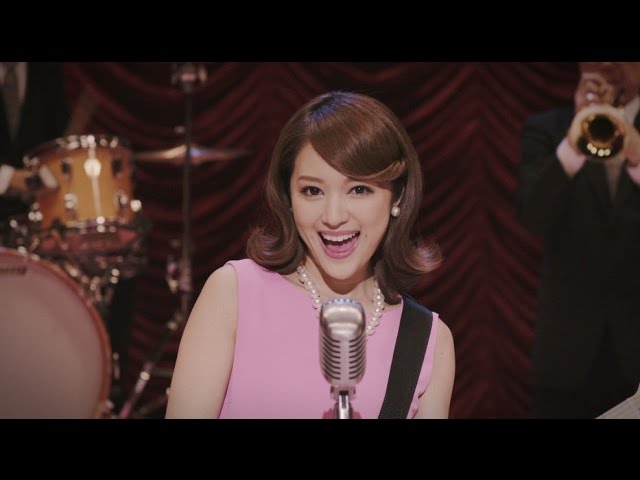
It’s the theme song for the 2015 TV drama “Date: What Is Love Like?”.
Created specifically for the show, the song is notable for its distinctly retro melody reminiscent of 1960s pop.
With a freshness that feels new again, it became hugely popular.
To Hikarimiwa

In 2012, miwa captivated viewers of the drama “Rich Man, Poor Woman” with her radiant vocals on the song “Hikari e.” This work is an adventurous piece in which miwa absorbed the drama’s worldview and stepped into a new sonic landscape.
The lyrics delicately weave in the protagonists’ bittersweet emotions, carrying the power to speak directly to listeners’ hearts.
In particular, the resolve to keep believing in destiny and to trust in a flickering light of hope will resonate with anyone facing obstacles.
Upon release, the song instantly drew in countless listeners, becoming a massive hit with over 1.3 million downloads.
miwa’s translucent voice and deeply moving message continue to shine on many playlists, even as time goes by.
Theme and insert songs from the history of Monday 9 p.m. dramas: iconic tracks from popular series and recommended hits (11–20)
Kiss meKOH+

The theme song of the drama “Galileo,” KOH+’s “KISS Shite.” Released in 2007, the track was crafted by Masaharu Fukuyama and showcases Kou Shibasaki’s energetic performance.
Its bright melody carries a sense of hope for a brighter future, in contrast to the drama’s serious tone.
The lyrics, which make you want to dedicate your own special something to someone important, are sure to capture your heart.
It’s a song that gives you the exhilaration of love and the courage to overcome challenges.
If you want to muster the courage to get closer to the person you love, this song will give you a gentle push.
Just by you being herekome kome CLUB

Kome Kome Club is a nine-member band that has captivated fans with a diverse range of songs and glamorous live performances.
Their 13th single, Kimi ga Iru Dake de, released as a double A-side with Aishiteru, was used as the theme song for the TV drama Sugao no Mama de.
Its lyrics, which convey a straightforward message of love, warm the heart alongside an emotional melody.
This hit track, which sold over two million copies, transformed listeners’ image of Kome Kome Club.
Two LipsEXILE

Released in 2009 and featured as the theme song for the drama Tokyo DOGS, EXILE’s Futatsu no Kuchibiru is a winter ballad that brought a warm glow to many listeners’ hearts.
The song conveys a message celebrating the deep bond of lovers who speak through their very presence.
The delicate sensations woven throughout the lyrics beautifully depict the unseen shape of love.
It also portrays the distance between a man and a woman with remarkable subtlety, and EXILE’s powerful vocals perfectly suit a lonely winter night.
It’s a song that helps you rediscover the precious time you share with the one you love.
guidelinesUru

Singer-songwriter Uru, whose transparent yet deeply resonant voice drew attention even before her debut.
Her 13th single “Kokoroe,” released as a double A-side with “Kami Hitoe,” was selected as the theme song for the TV drama “Kazama Kimichika: Kyōjō 0.” Its message, which teaches us the feelings that are essential to living, echoes the drama’s storyline and soothes the heart.
A beautiful ballad featuring a dramatic, piano-driven arrangement that stirs the soul and leaves you feeling cleansed.