

[Karaoke] A roundup of popular Japanese songs that start with the letter “Ra”

Is everyone having fun at karaoke?
Whether you’re going wild with friends or practicing seriously on your own, there are lots of ways to enjoy it.
That said, choosing songs can be a recurring dilemma at karaoke.
You might find time slipping away while you’re thinking, “What should I sing next…?”
So in this article, we’ve put together a list of popular Japanese songs whose titles start with the syllable “ra” (ら)!
We’ve picked a wide range—from timeless classics to recent hits.
Use this as one way to find your next song to sing!
- Compilation of Vocaloid songs with titles starting with 'Ra'
- A classic song with a title that starts with “Ru”
- A roundup of songs with titles starting with “Re.” Great for karaoke shiritori too!
- Songs with titles that start with “Ri”
- Karaoke songs everyone can sing: Japanese tracks that are easy to enjoy with a group.
- Songs with titles starting with “Ko” [Great for karaoke and shiritori, too!]
- Vocaloid songs that start with 'Ru'
- Songs with titles starting with “To.” A selection from popular tracks across generations!
- [Karaoke] A collection of Japanese songs that start with “Mu”
- A roundup of songs whose titles start with the tricky letter “ro.” Perfect for shiritori and karaoke.
- From Old-School Hits to Trends: A Collection of Vocaloid Songs Recommended for People in Their 20s
- Compilation of Vocaloid songs that start with 'Ri'
- A compilation of Vocaloid songs whose titles start with ‘Re’
[Karaoke] A Compilation of Popular Japanese Songs Starting with “Ra” (161–170)
LifE!!Masuko Atsuki

Atsuki Masuko, a native of Koriyama City in Fukushima Prefecture, is a member of the mixed-gender dance and vocal group GENIC.
He began his entertainment career after an audition in 2016, and in November 2019 officially launched his activities with GENIC through the digital EP “SUNGENIC ep.” He has also showcased his talent as an actor, gaining significant attention for the 2021 tokusatsu drama Kikai Sentai Zenkaiger and for starring in the 2023 drama Forecasting Love, which generated buzz across Asia.
On stage, he played the role of Haku in Spirited Away, earning international recognition, including a nomination at an awards event in London.
Within the group, he also writes lyrics, captivating fans with his multifaceted artistry in singing, dancing, and acting—embodying the image of a next-generation entertainer.
Love me!Oozora Subaru

Its exhilarating, refreshing sound is truly captivating! Released in September 2025 to celebrate her 7th anniversary, the song is by Subaru Oozora from hololive.
Lyrics and composition are by Vocaloid producer Takaaki Natsushiro.
The lyrics straightforwardly convey the gratitude and love for her fans that she was too shy to express before.
Carrying a message that affirms the present—walking forward together with loved ones even after experiencing setbacks—it warmly touches listeners’ hearts.
I believe that sincere sentiment, delivered atop a cute melody, will give you energy for each day!
LOVE〜Destiny〜Hamasaki Ayumi

Ayumi Hamasaki, who enjoyed immense popularity in the 1990s as a style icon for junior and senior high school girls and dominated the J-pop scene as the Heisei era’s songstress.
Her seventh single, released in April 1999, was a milestone that earned her first No.
1 on the Oricon Weekly Singles Chart.
It was also featured as an insert song in the Fuji TV drama “Semi-Double.” Written by Ayumi Hamasaki and composed by Tsunku♂, this ballad portrays the helpless, heartrending feelings of two people drawn together by fate.
Her emotionally rich vocals, carried by a beautiful piano melody, deeply move the hearts of listeners.
LaundryLUCKY TAPES
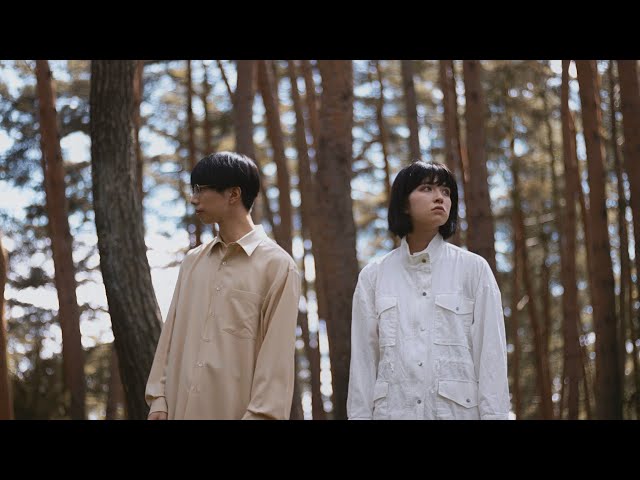
LUCKY TAPES is the solo project of Kai Takahashi, notable for its sound that blends J-pop with elements of indie pop and R&B.
Released in October 2020 and included on the album “Blend,” this track portrays the process of facing daily struggles and learning to live with them while moving forward.
The lyrics give voice to the conflict between the pressure to become “someone” and the reluctance to conform, yet ultimately offer a glimmer of hope.
It’s a song that seeps in during moments when you want to pause—while studying or on a walk.
The music video—Kai Takahashi’s first as a director—also drew attention, making this a number that gently accompanies quiet times.
Lovely FreakASOUND

ASOUND is a band highly acclaimed by music aficionados for their sophisticated musicality.
Their unique sound, built on a foundation of reggae and fused with R&B and funk, is truly breathtaking.
Among their tracks, this one is a standout recommendation.
Over a smooth R&B groove, it delivers a message that affirms individuality and diversity.
Reframing the feeling of not fitting in as a “special talent,” the song encourages respect for both yourself and others—a theme that will resonate with many listeners.
Having performed at FUJI ROCK FESTIVAL in 2023, their refined groove is guaranteed to elevate a relaxing café moment or a driving scene.
It’s a must-listen for anyone who values staying true to themselves.
Love Me NotRavyn Lenae

Singer-songwriter Ravyn Lenae, hailing from Chicago and known for her versatile musicality, released the lead single from her May 2024 album “Bird’s Eye,” a song that portrays the complex emotions of love.
Its stylish sound blends the retro vibe of 1960s girl groups with contemporary R&B.
While the protagonist insists she doesn’t need a lover, she secretly longs to see them—her bravado and true feelings sway between independence and dependence in a way that’s poignantly affecting.
The track became a major sensation on TikTok, and in April 2025, it marked her first entry on the Billboard Hot 100.
It’s a perfect song for anyone who struggles to be honest about their feelings in love.
Love, Lala ~Where Love Is Headed~eill

A track by eill that evokes the glittering, slightly nostalgic sound of ’80s–’90s city pop.
As its moniker “summer love driving song” suggests, it portrays a romance where sweetness and heartache coexist.
You can feel the protagonist’s wavering emotions: anxiety about a relationship with no clear future, mixed with the resolve to move forward even if it means letting something go.
Having launched her full-fledged solo career in 2018, she released this song in July 2025, captivating listeners with its dramatic world-building.
It’s perfect for summer nights when you’re driving while thinking of someone special, or for a solo café moment when you want to sink into a slightly sentimental mood.
Its sophisticated melody will surely make your time feel special.