

Get Interested in Rain! A Collection of Trivia and Fun Facts

Do you like rain?Some people dislike it because events and outings get canceled, while others feel a little rain is necessary for the crops they’re growing.
There are many viewpoints.In this article, we’ll introduce fun facts and trivia about rain for a general audience—so both rain-lovers and rain-haters can learn more about it.We’ve gathered a variety of knowledge: weather forecasts that convey rain, facts about the rainy season, and how animals signal rain.Once you learn more about rain, you might find yourself a bit more interested in it.Be sure to check it out!
- Rainy season trivia roundup: fun facts you'll want to share with someone
- Learn to Love the Rain! Fun Facts & Trivia Quiz about the Rainy Season for Kids
- [For Kids] Trivia Quiz & Fun Facts About Rain
- Make weather forecasts more fun! Trivia and fun facts about the weather
- [Trivia] Did You Know? A Collection of Weather Proverb Quizzes!
- A trivia quiz about typhoons you might not know: questions range from general knowledge to disaster preparedness.
- The rainy season becomes something to cherish: heartwarming quotes for JuneNEW!
- Take on the Lightning Trivia Quiz! From common knowledge to surprising fun facts
- [For Adults] Fun Things to Do on a Rainy Day
- [For Adults] Fun Activities and Hobby Ideas for Rainy Days
- Trivia and fun facts to make summer even more enjoyable
- [For Kids] Fun Summer Trivia Quiz & Facts
- A quiz of fun trivia: bite-sized knowledge that leads to new insights.
Rain Becomes Fascinating! Trivia & Fun Facts Collection (1–10)
Rain drops during a sudden evening shower are larger than during other kinds of rain.
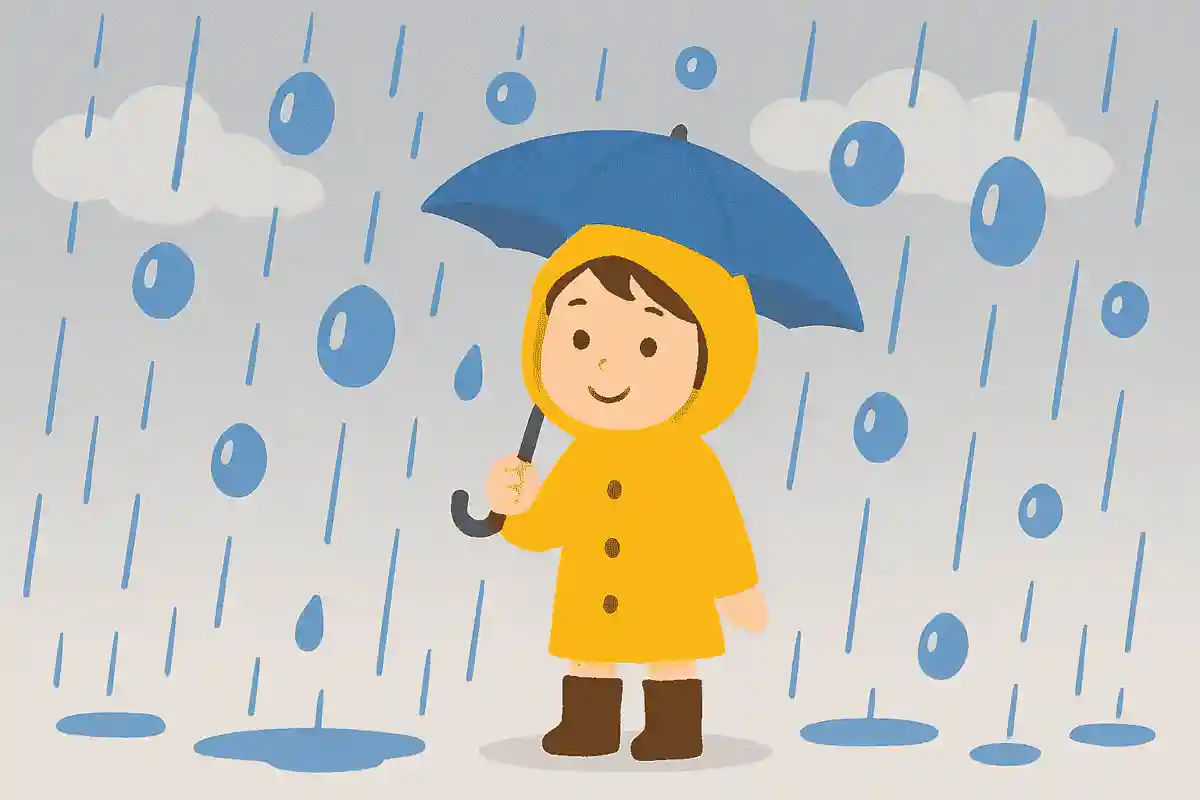
The raindrops in a summer evening downpour are larger than in other kinds of rain, and the sound of them striking the ground is louder.
A “yuudachi” refers to a sudden shower that falls heavily from afternoon to evening after the end of the rainy season.
The strong summer sun rapidly warms the ground, cumulonimbus clouds develop in the sky, and the rain begins.
The raindrops in a yuudachi are much larger than in ordinary rain, and it often turns into a heavy downpour.
Indeed, when a yuudachi comes, you can get wet even with an umbrella, and the rainfall can be more than an umbrella can handle.

People overseas hardly ever use umbrellas.
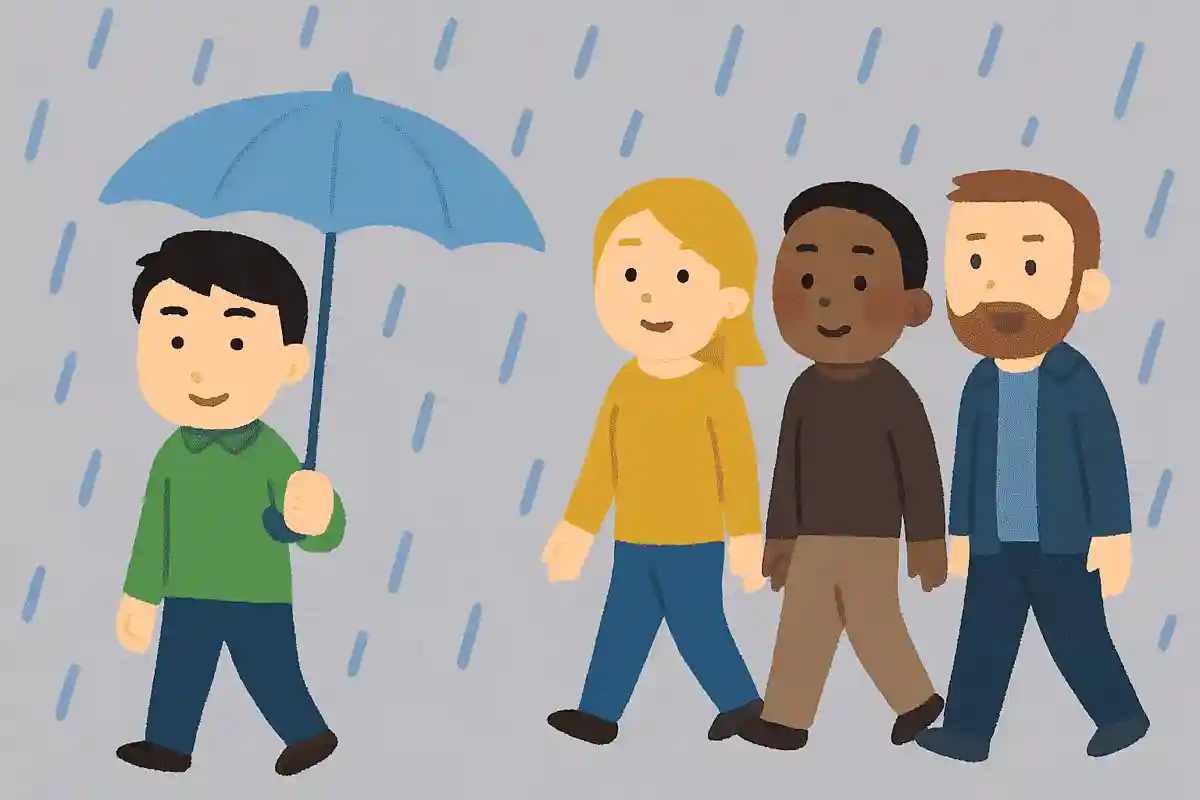
In Japan, when it rains, you use an umbrella, right? Most people probably check the weather forecast every morning and carry an umbrella or a folding umbrella if rain is expected.
But did you know that in many other countries, a lot of people don’t use umbrellas even when it rains? In fact, using an umbrella on a rainy day isn’t generally the norm.
There are various reasons for this—people find carrying an umbrella inconvenient, they feel a hood or a raincoat is enough, or they simply don’t mind getting wet.
The rainy-day scenes that are typical in Japan aren’t necessarily common overseas.

When swallows fly low, it means rain is coming.
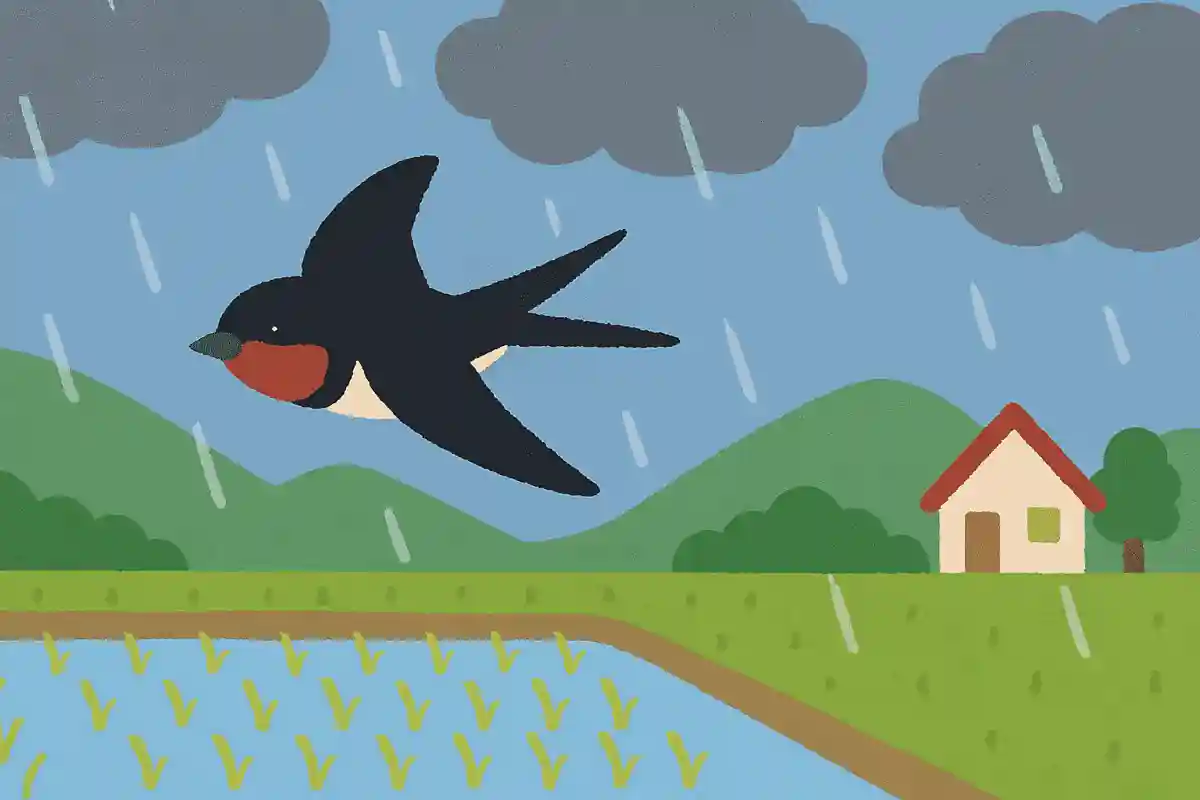
In Japan, it’s long been said that when swallows fly low, it’s going to rain.
Apparently, this saying is accurate quite often.
The insects that swallows feed on have heavier wings in humid conditions and tend to fly lower.
As a result, swallows also fly lower when hunting, which is why people say that low-flying swallows signal rain.
People in the past carefully observed changes in nature and paid close attention to the weather.
So let’s keep in mind that if swallows are flying low, it might rain.
Get Curious About Rain! Trivia & Fun Facts (11–20)
There is no rainy season in Hokkaido.
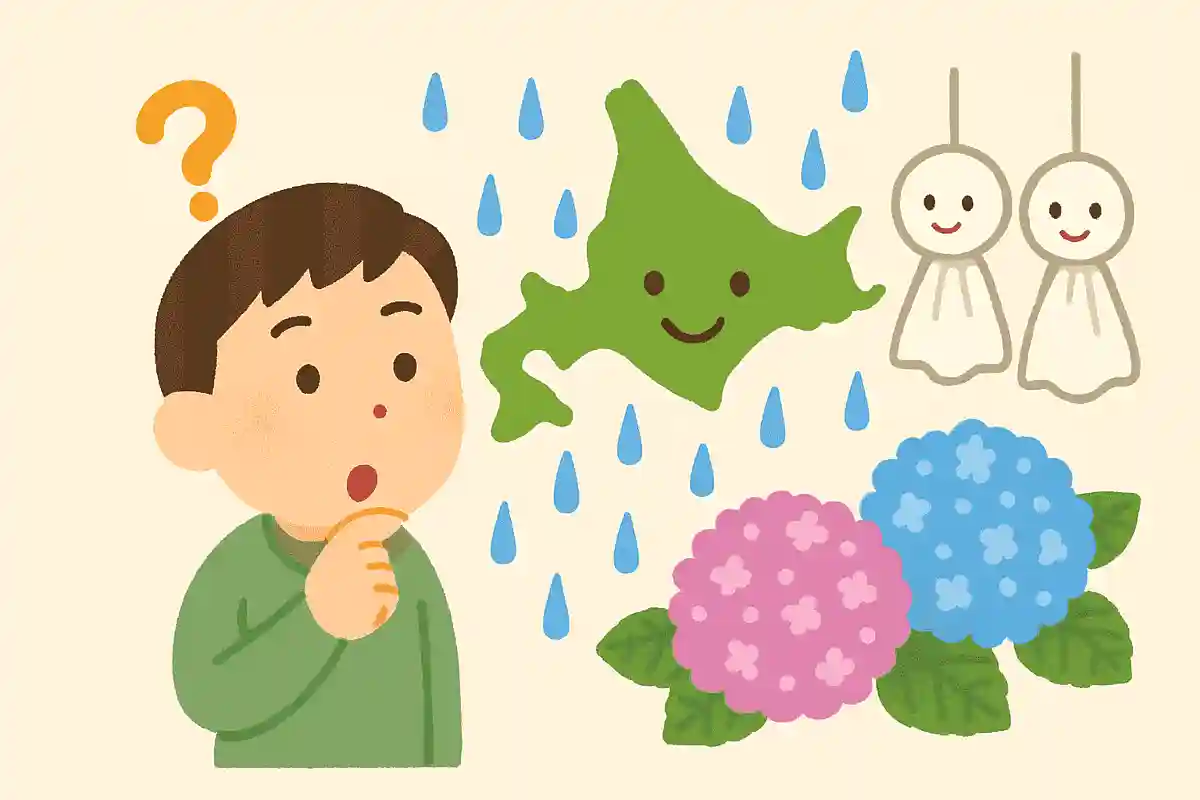
Hokkaido does not have a rainy season.
There are times when several days of cloudy or rainy weather continue, which is called the Ezo rainy season.
Unlike on Honshu, this Ezo rainy season does not last long and does not occur every year, so people say that Hokkaido has no rainy season.
Because there is no rainy season, crop growth and other factors see relatively little variation, and the climate is said to be comfortable.
On the other hand, because there are fewer rainy days, there are concerns about water shortages.
Honshu has a rainy season, while Hokkaido is said to have none.
The fact that the climate differs by location, even within the same country, is one of Japan’s charms.
In weather forecasts overseas, rain is represented with a rain-cloud icon.
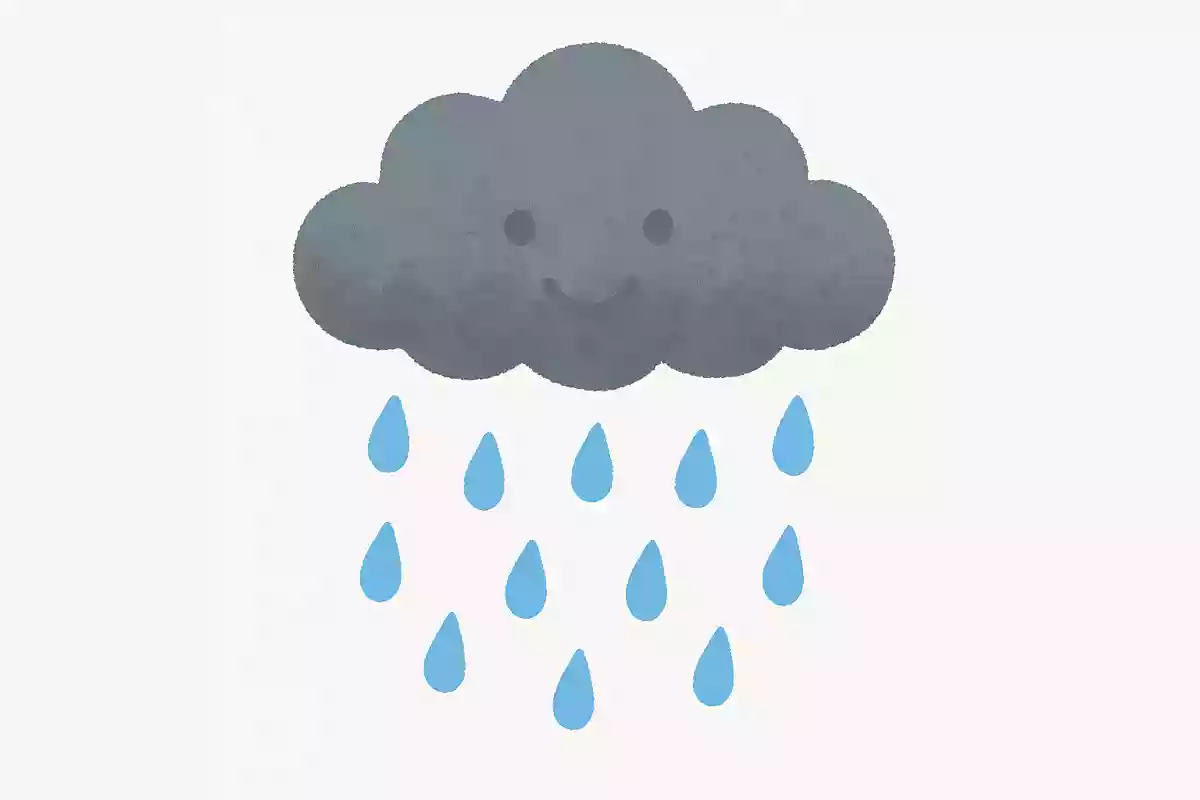
On important days like trips or entrance ceremonies, you probably check the weather forecast.
At those times, you’ve likely seen the “umbrella icon” that indicates rain.
While it’s a standard symbol in Japan, umbrella icons are actually rarely used overseas.
So what icon is used instead? A “rain cloud icon.” The rain cloud icon combines a cloud with raindrops.
In Japan, people typically carry umbrellas on rainy days, but in some countries people don’t carry them even when it rains, which might have something to do with the difference.
When a cat washes its face, it will rain.
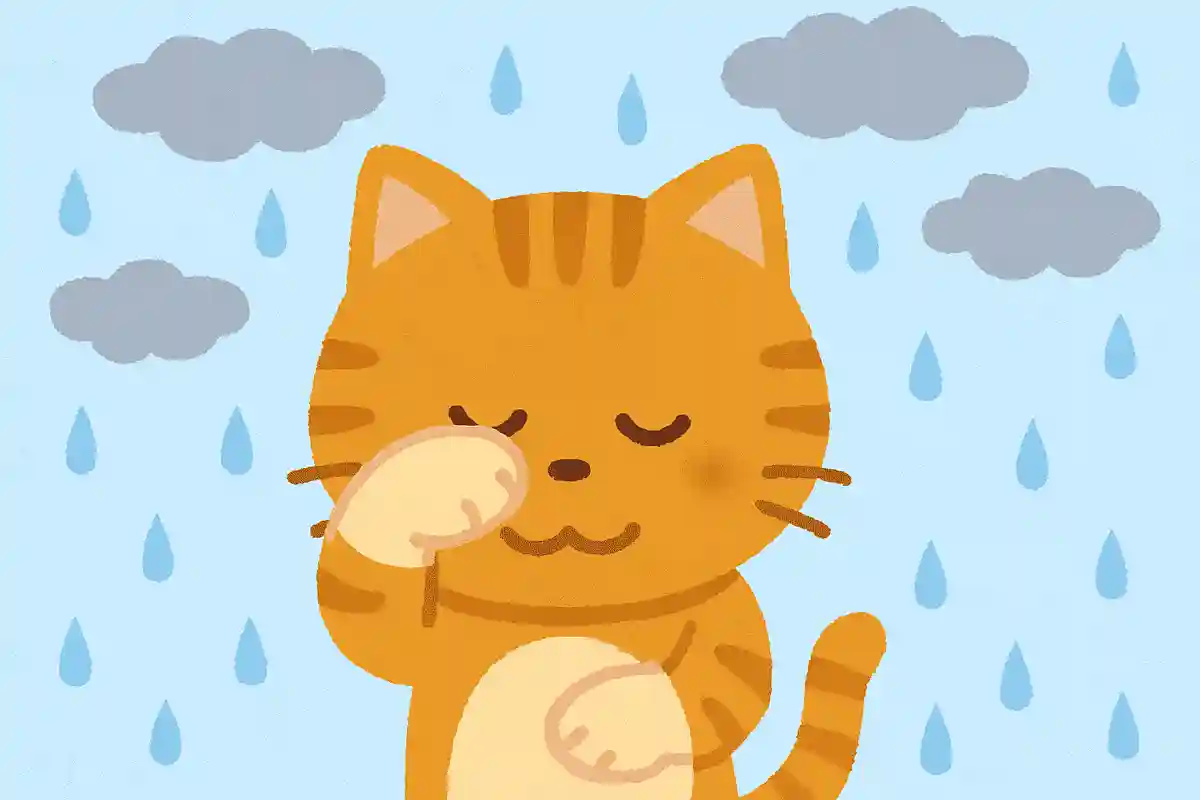
The saying that when a cat makes a gesture as if washing its face, it means it will soon rain is a Japanese proverb or figure of speech.
It may seem like a familiar animal-based metaphor, but there is actually some reasoning grounded in the cat’s body and habits.
The key is the whiskers: a cat’s whiskers serve as sensory organs, and it’s said that just before rain, the cat is protecting them from getting dirty due to humidity.
It shows how important the area around the face is to cats, and this expression also conveys how closely people have observed even the smallest gestures of cats as familiar animals.

The rain that falls on Tanabata is called ‘teary rain.’
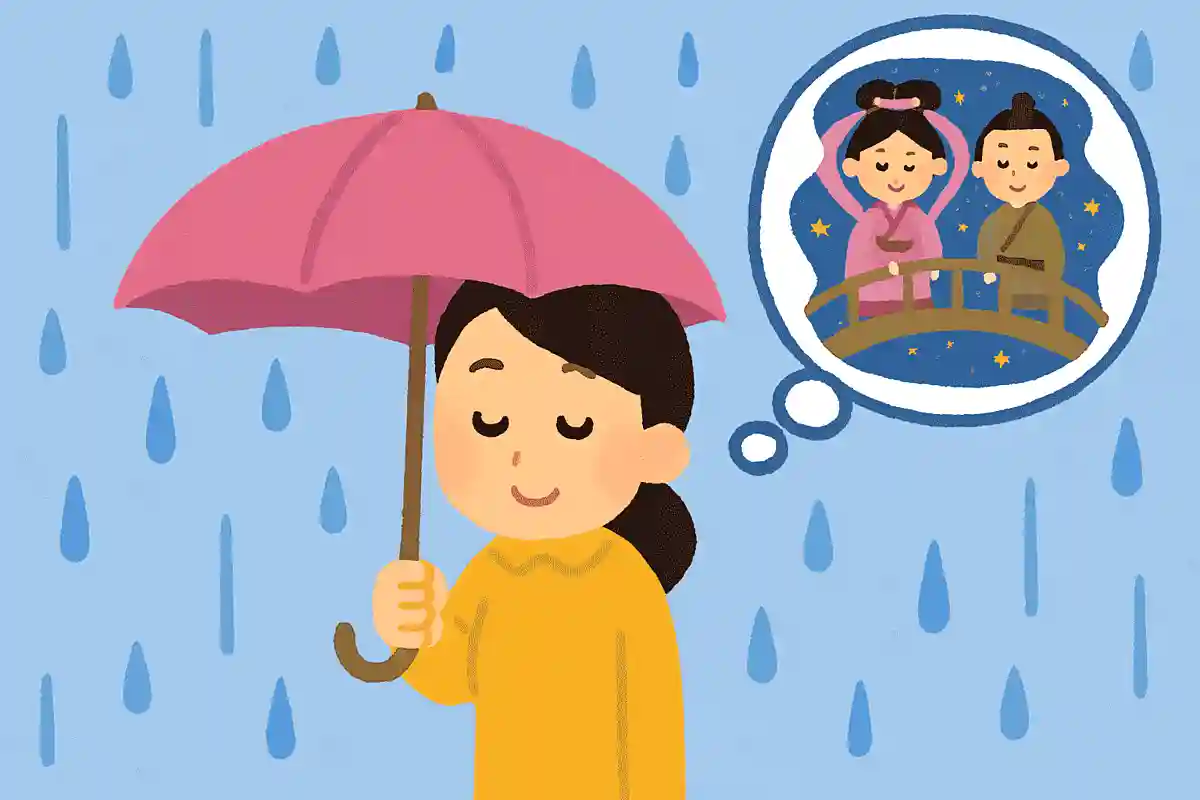
It’s said that on July 7th, the day of Tanabata, Orihime and Hikoboshi meet once a year.
The rain that falls on Tanabata is called “sairuiu,” or “tear-inducing rain.” If the Milky Way swells with water, Orihime and Hikoboshi won’t be able to meet on Tanabata.
If they can’t meet, they shed tears and feel sorrow.
From this idea, people began to say that their tears fall as rain, calling it “sairuiu.” Let’s hope for clear skies on Tanabata so the two can meet.