

Take on the Lightning Trivia Quiz! From common knowledge to surprising fun facts

“How many times does lightning strike the Earth in one second?” How much do you know about lightning, the awe-inspiring force that rains down from the sky? Although it feels familiar, there’s a lot about lightning we don’t actually know.
We bring you fun facts and surprising trivia in a quiz format.
It’s packed with fascinating lightning knowledge that will make you say, “Wow!” and want to share with others.
From general knowledge that both adults and kids can enjoy to unexpected facts you’d never guess, why not get closer to the world of lightning?
Take on the Lightning Trivia Quiz! From basic general knowledge to surprising facts (1–10)
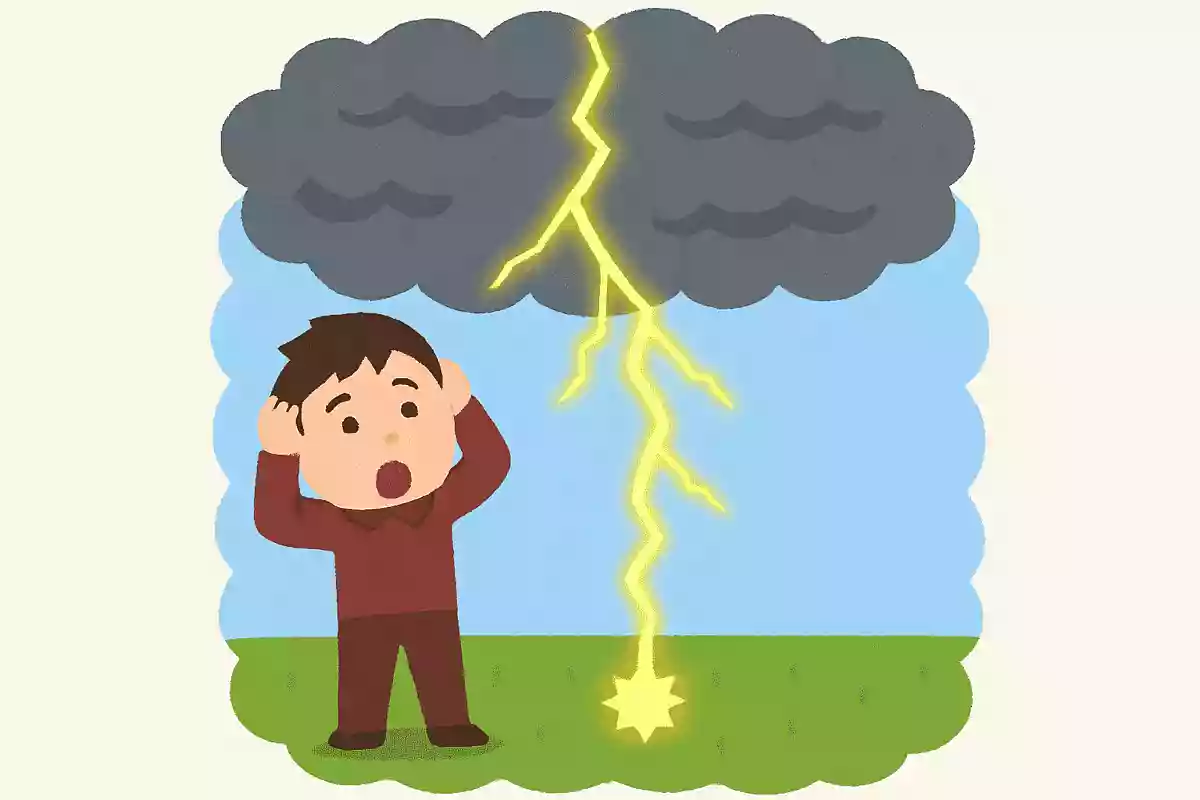
What do you call the phenomenon where lightning extends from the ground toward the sky?
- induced lightning
- Rising Thunder
- Dragon Thunder
See the answer
Rising Thunder
Lightning that propagates from the ground up toward the sky is called “upward lightning,” and it mainly originates from tall structures. While ordinary lightning or strikes travel from clouds to the ground, upward lightning is the opposite phenomenon. Today, with advances in science and abundant information, we can simply say, “So that happens, too,” but people in the past, who knew nothing about it, must have been astonished.
The color of lightning varies depending on the weather and the conditions in which it occurs, but which color is most commonly seen?
- blue
- purple
- white
See the answer
white
Lightning becomes extremely hot when it discharges. That’s why it most often appears white. In images, it tends to look yellowish, doesn’t it? Maybe that’s due to the influence of manga and anime. The color can change depending on weather conditions, the amount of dust in the atmosphere, and moisture content, but white is usually the most commonly seen. Next time there’s a thunderstorm, take a look and see for yourself!
Why does lightning strike in a zigzag pattern?
- Because the dust in the air obstructs the path
- Because lightning has the property of bending
- Because it proceeds while seeking the path where electricity can flow more easily
See the answer
Because it proceeds while seeking the path where electricity can flow more easily
Lightning is actually electricity. Electricity basically can’t travel through air, but once it becomes lightning, it forces its way forward by seeking out paths that are easier to pass through, which results in a zigzag shape. Places that are easy for lightning to travel include areas where the air is thin, the atmospheric pressure is low, or the humidity is high. The electric shocks you often see in manga are zigzagging too, right? It’s also a common trope—and kind of funny—that when someone gets struck by lightning, you can see their skull showing through.
Which type of cloud produces lightning?

- cirrus
- cumulonimbus cloud
- stratocumulus
See the answer
cumulonimbus cloud
You studied weather and clouds in junior high school, right? Do you remember? Lightning mainly occurs inside a developed cloud called a cumulonimbus. Cumulonimbus clouds form due to strong updrafts, and the vigorous collisions of ice particles and water droplets within the cloud generate electricity. As a result, lightning occurs. When you hear rumbling thunder before a summer evening shower, cumulonimbus clouds are involved in that, too.
What do you call the natural glass tubes formed when lightning strikes the ground?
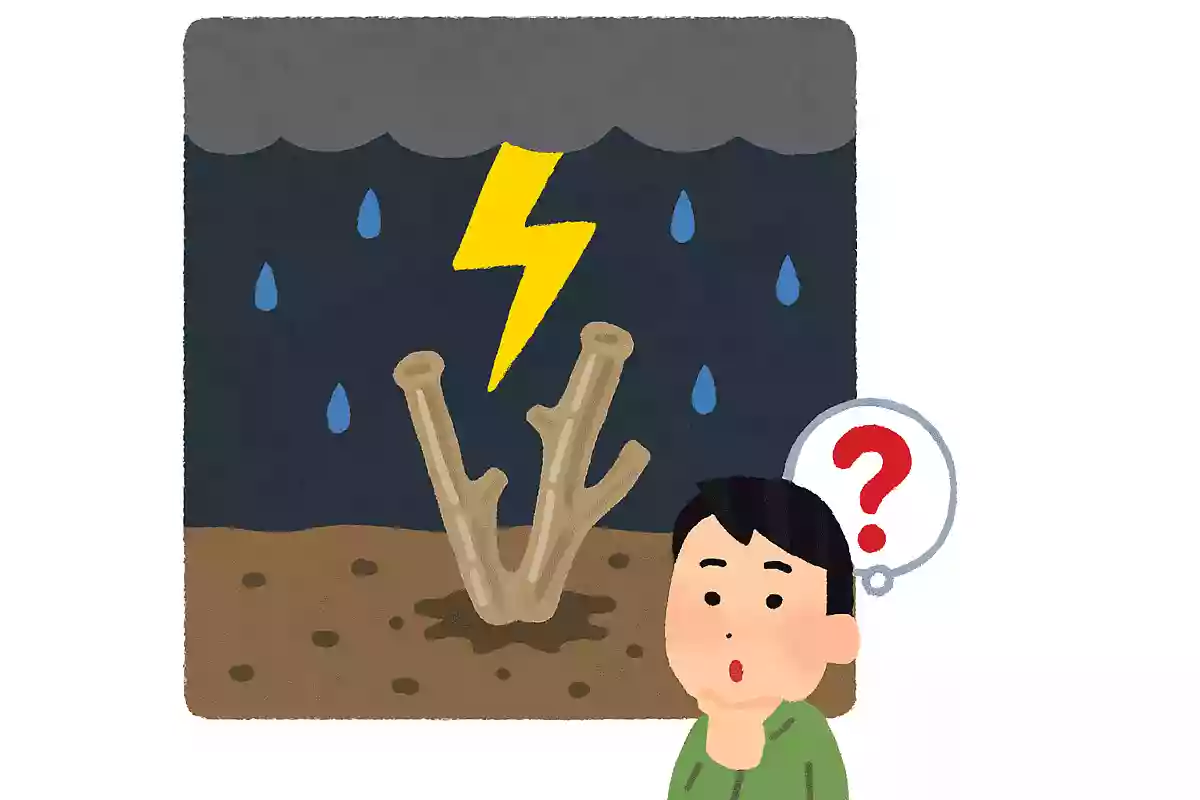
- Fulgrite
- Obsidian
- slate
See the answer
Fulgrite
Fulgurite, also known as a “lightning fossil.” Fulgurite is a natural glass tube formed when the heat of a lightning strike instantly melts sand or soil. In Japanese, it is written as “閃電岩” or “雷管石.” Because it is extremely fragile, it is said to be rare to find a perfectly preserved specimen. If you do find a complete one, it’s museum-worthy straight away.
How many times per second is lightning said to occur on Earth?
- about 10 times
- about 100 times
- About 1,000 times
See the answer
about 100 times
It’s estimated that about 100 lightning strikes occur every second across the entire Earth. This high number is because lightning is happening simultaneously all over the world. By the way, do you know which regions in Japan have the fewest thunderstorms? Hokkaido and Aomori. As you’d expect, lightning tends to occur more easily in warmer places.
When lightning occurs, which reaches us first, the sound or the light?
- sound
- light
- Both at the same time
See the answer
light
Sound travels about 340 meters per second. The speed of light is on a completely different scale—about 300,000 kilometers per second. So when lightning strikes, the light reaches us first, followed by the sound. It feels like: flash… then after a moment, rumble-rumble-rumble. You can actually calculate the distance to the thundercloud from the light and sound. If you're curious, give it a look!