

A compilation of unsettling trivia and fun facts about Earth


Earth, home to humans and countless other living things.
Like outer space, it’s still full of mysteries, and research is advancing every day.
In this article, we’ll share general trivia and fun facts about our planet.
We’ve gathered a variety of information about Earth—from its history, to slightly scary stories about the future, to astonishing phenomena.
As you learn, you may feel a little unsettled, be inspired to act more environmentally friendly, or be moved to think more deeply about our planet.
Discover Earth’s surprising facts and hidden secrets!
A collection of unsettling trivia and tidbits about Earth (1–10)
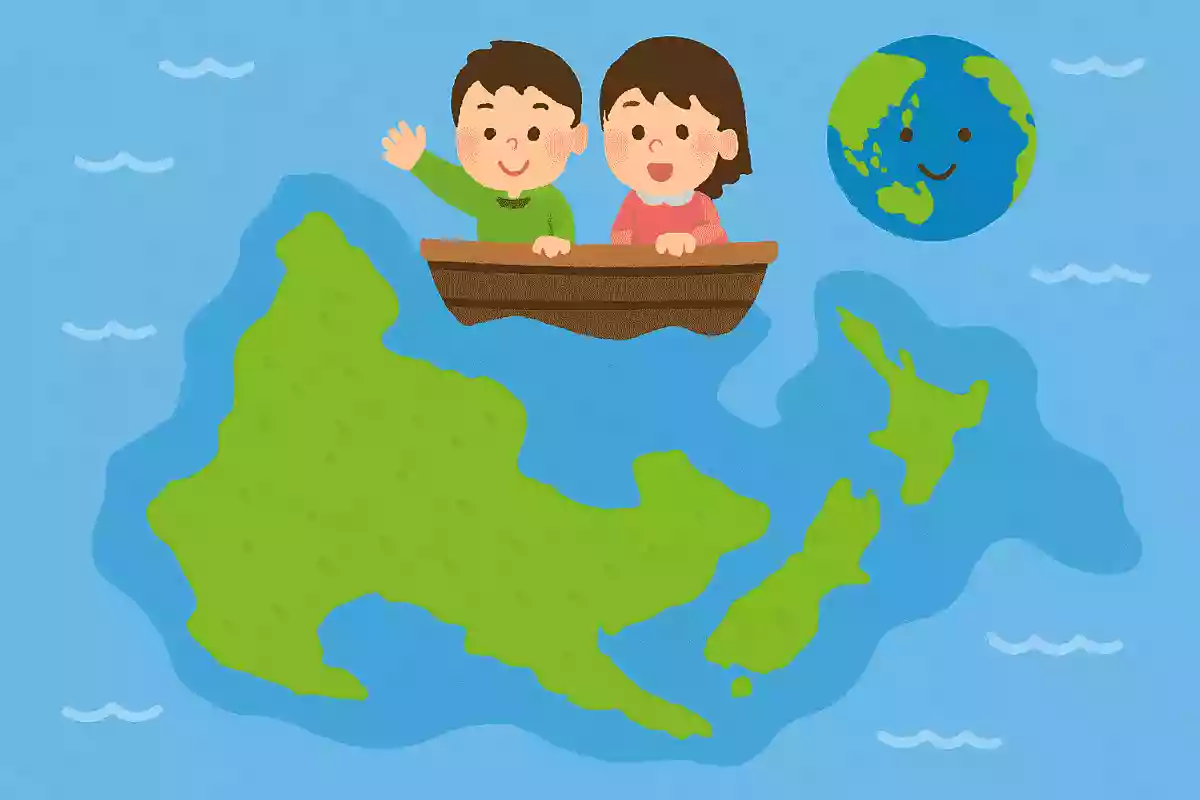
There is a seventh continent called the Zealandiacontinent.
There are six continents in the world, such as Eurasia and Africa.
Many people know the six continents because we learn about them in school.
However, it seems there is a seventh one called the continent of Zealandia.
This continent, invisible on maps, lies about 1,000 meters beneath the sea to the east of Australia.
Since over 90% of it is underwater, there has been debate over whether it can truly be called a continent, but granite and metamorphic rocks—found only on continents—have been discovered there.
Zealandia was once part of Australia, but it split off and became submerged.
Although many aspects—such as the reasons for the split—remain unresolved, it is a continent whose mysteries we look forward to seeing uncovered in the future.

There is a possibility that the Earth will return to an ‘ice age’.
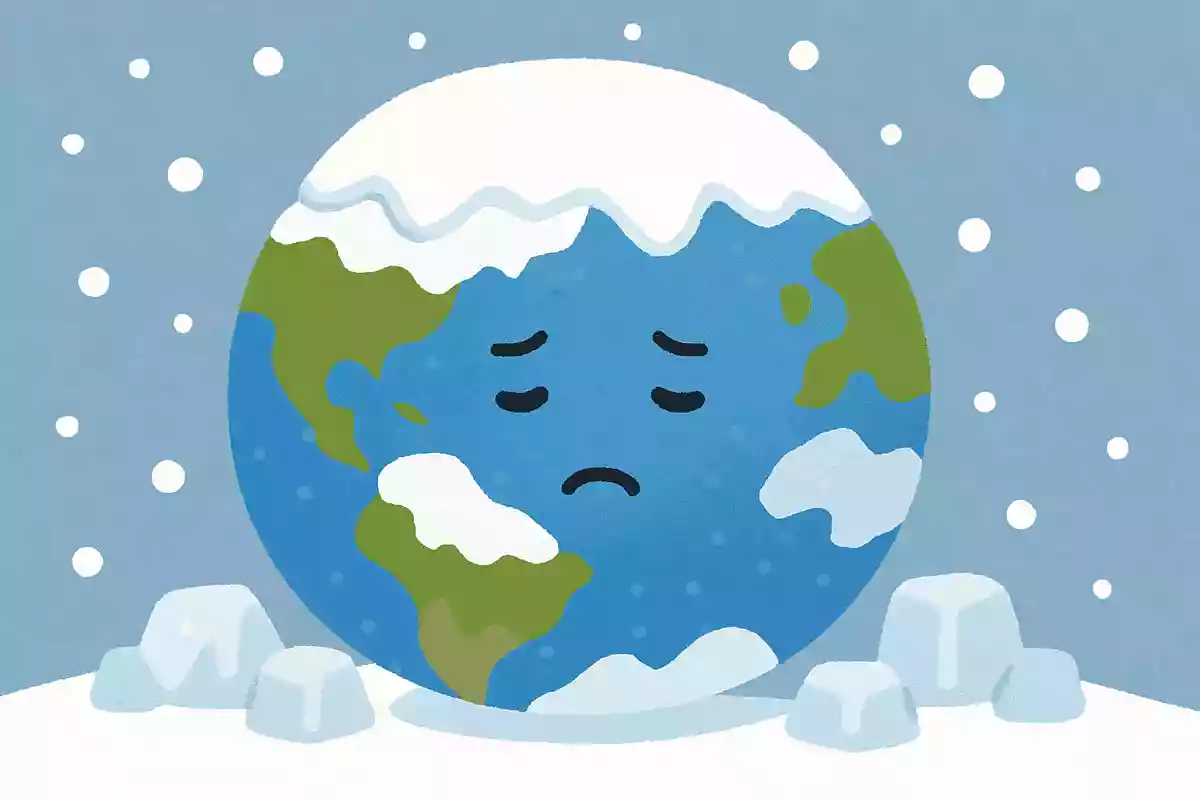
In Earth’s history, there have been periods covered in ice known as ice ages, and those times are thought to have been difficult for living creatures.
Did you know that such an ice age—evoking even a sense of despair—could possibly return? Earth cycles between ice ages and interglacial periods, and we are currently in an interglacial period.
Because it is difficult to predict the timing of this cycle, the possibility of returning to an ice age has been proposed.
Not only uncontrollable factors like the Sun and Earth’s orbit, but also familiar factors such as the environment and carbon dioxide influence the return of an ice age.
Concern about a future ice age might therefore serve as a prompt to reflect on environmental issues.

Mount Everest, the highest mountain in the world, is getting a little taller.

Mount Everest, the highest peak in the world, stands on the border between Nepal and China in the Himalayas.
If Everest’s elevation is gradually rising, it would seem that reaching the summit is becoming more difficult.
The cause is the movement of the Earth’s tectonic plates: the ongoing collision between the Indian and Eurasian plates is pushing up the Himalayas.
It’s said to be rising by about 0.5 cm each year, which makes one wonder how high it will ultimately grow.
Hawaii is gradually moving closer to Japan.
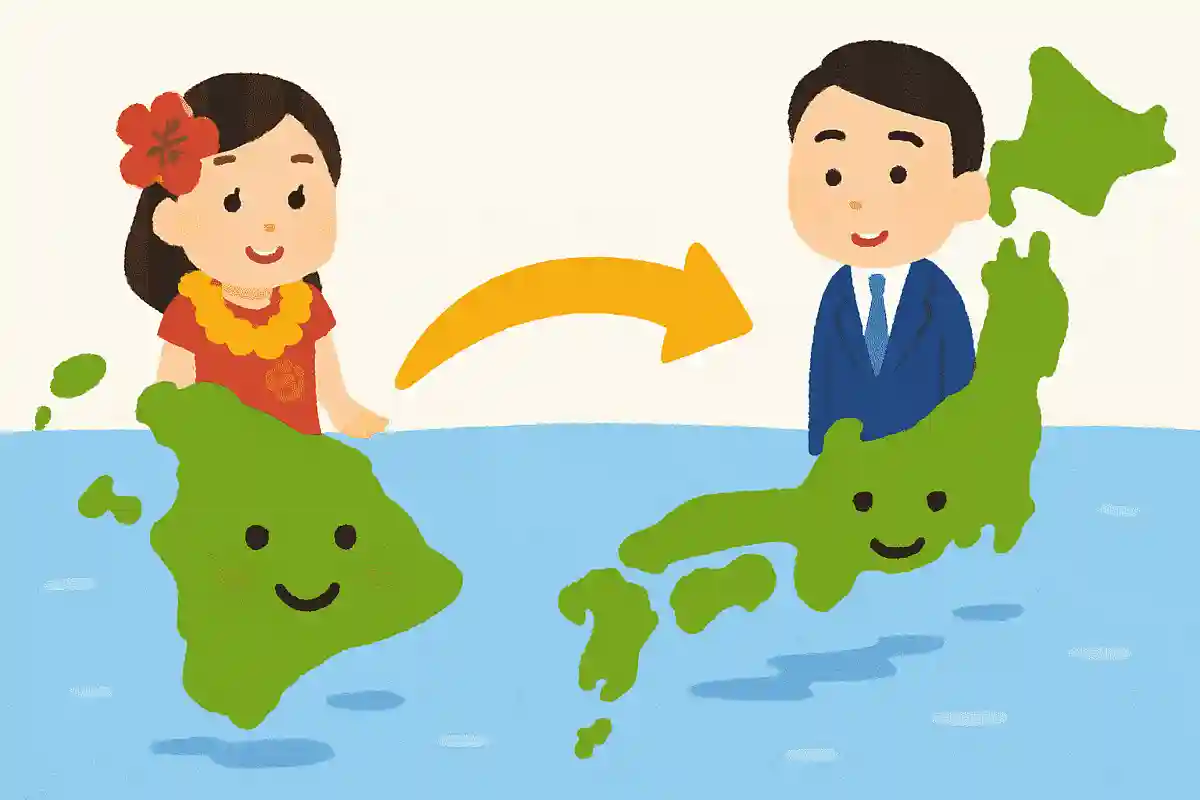
Hawaii is a popular travel destination for Japanese people.
In fact, it’s actually getting closer to Japan year by year.
Let me explain what that means.
Hawaii sits on the Pacific Plate, and that plate is gradually moving northwest toward where Japan is.
It shifts about 8 cm per year, and since the distance between Japan and Hawaii is 6,600 km, calculations show they would “meet” in about 80 million years.
However, because the Pacific Plate on which Hawaii rests is being subducted beneath other plates, even if it gets closer, Hawaii will end up sinking beneath the seafloor.

When the Earth was first formed, a day was five hours long.
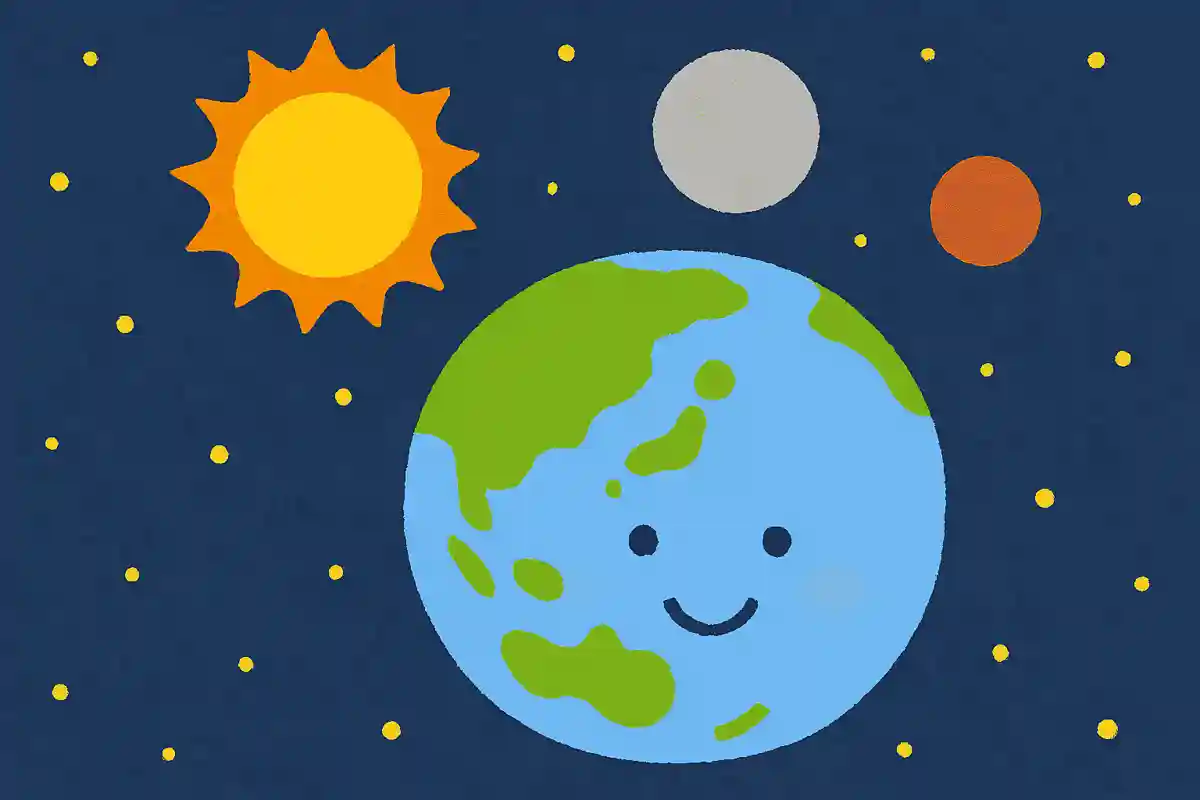
Although the current length of a day is set at 24 hours, it appears to have been shorter when Earth was formed.
Around 4.6 billion years ago, one day lasted 5 hours.
By the way, the length of a day is the time it takes Earth to complete one rotation.
Therefore, 4.6 billion years ago, Earth was spinning faster than it is now.
There are multiple reasons why the rotational speed has slowed, but the biggest factor is friction caused by the tides.
High and low tides occur due to the Moon’s gravitational pull, and as seawater moves across Earth, it creates friction with the seafloor.
It’s believed that the resistance produced by this friction gradually slowed Earth’s rotation.
Even today, Earth’s rotation is still slowing, by about one ten-thousandth of a second every 20 years.
Earth has experienced five mass extinctions.
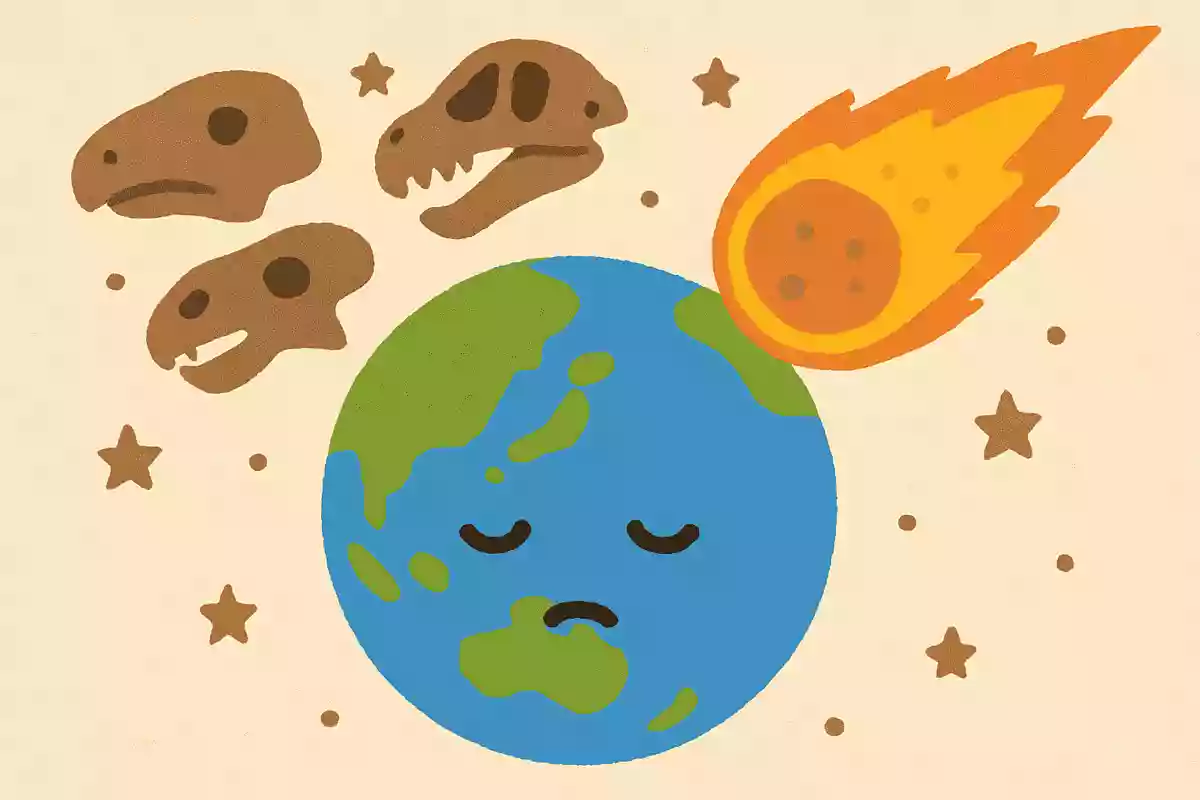
There have been times on Earth when many living things went extinct—dinosaurs, which are thought to have once lived here, survive only as fossils, for example.
And such extinctions didn’t happen only in the age of dinosaurs; there’s the frightening fact that five mass extinctions have been recorded.
These five mass extinctions, also called the Big Five, are thought to have been triggered by changes in the Earth’s environment, meteor impacts, volcanic eruptions, and the like.
Not knowing exactly what could cause such dramatic environmental shifts makes us uneasy about the possibility of a future mass extinction, doesn’t it?
In five billion years, the Earth will be engulfed by the Sun.
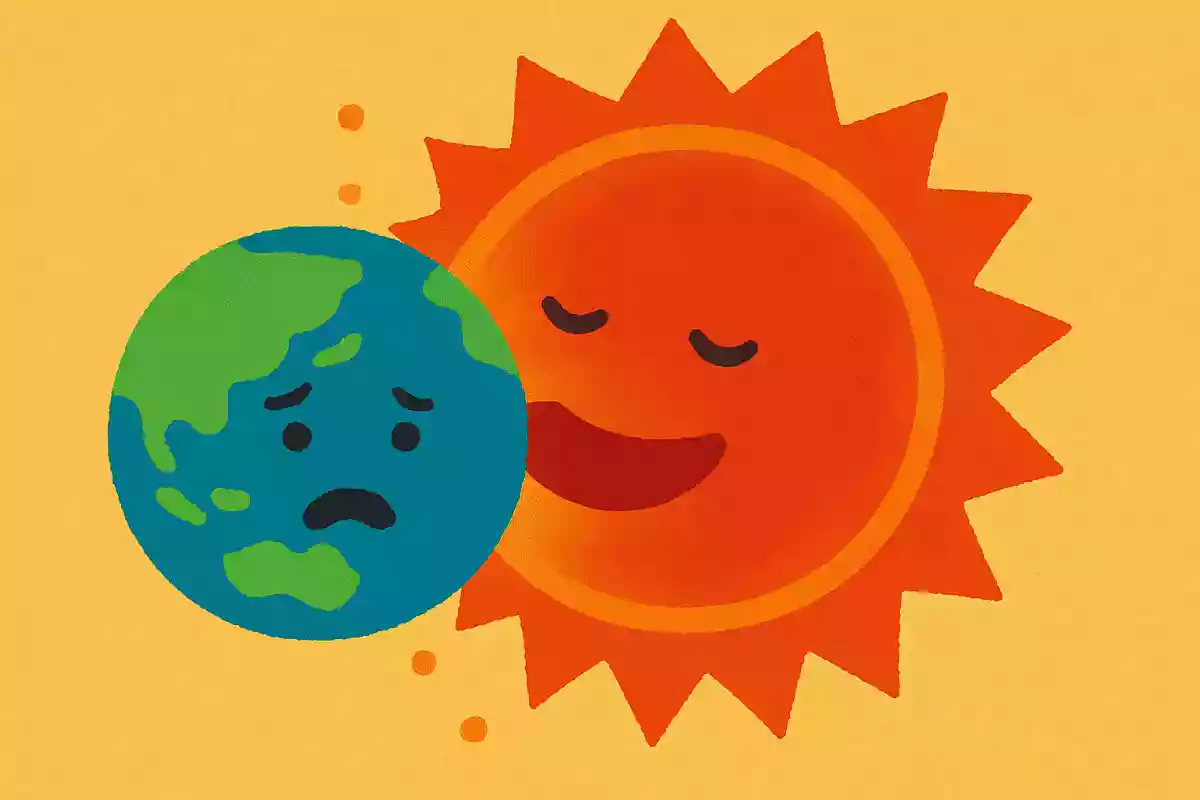
Earth has reached its current state over hundreds of millions of years, and its relationships with nearby celestial bodies have changed along the way.
Did you know, for example, that in five billion years Earth is predicted to be engulfed by the Sun? This expectation comes from the idea that the Sun’s lifespan is about ten billion years; as it nears the end of its life, it will expand, and in that process Earth would be swallowed.
The principle behind the Sun—burning through hydrogen fusion—and the fact that it has sustained this for so long are evident from this scenario.
While the prospect of extinction is frightening, five billion years is such a distant future that it’s tempting to hope humanity will have found a way to deal with it by then.