

A compilation of unsettling trivia and fun facts about Earth


Earth, home to humans and countless other living things.
Like outer space, it’s still full of mysteries, and research is advancing every day.
In this article, we’ll share general trivia and fun facts about our planet.
We’ve gathered a variety of information about Earth—from its history, to slightly scary stories about the future, to astonishing phenomena.
As you learn, you may feel a little unsettled, be inspired to act more environmentally friendly, or be moved to think more deeply about our planet.
Discover Earth’s surprising facts and hidden secrets!
- Didn't want to know?! Fascinating and scary trivia & fun facts
- A quiz of fun trivia: bite-sized knowledge that leads to new insights.
- Fun to Know! A Collection of Space Trivia [Rec]
- A collection of trivia and fun facts about space, brimming with dreams and romance
- Trivia and fun facts about food (summary)
- Trivia quiz with useful tips to know: fun facts that come in handy at school or at home [for kids]
- Make weather forecasts more fun! Trivia and fun facts about the weather
- Collection of trivia and fun facts about stars shining in the night sky
- English will become more fun! A collection of trivia and fun facts about the English language.
- Trivia you think you know but surprisingly don’t? August trivia and fun facts quiz!
- A roundup of insect trivia: fun facts you'll want to share
- [Snake Trivia] Things you actually don’t know about snakes. Packed with astonishing facts!
- Useful right away in daily life! Surprising trivia and handy tips
A collection of unsettling trivia and tidbits about Earth (1–10)
The Earth is gradually getting lighter.
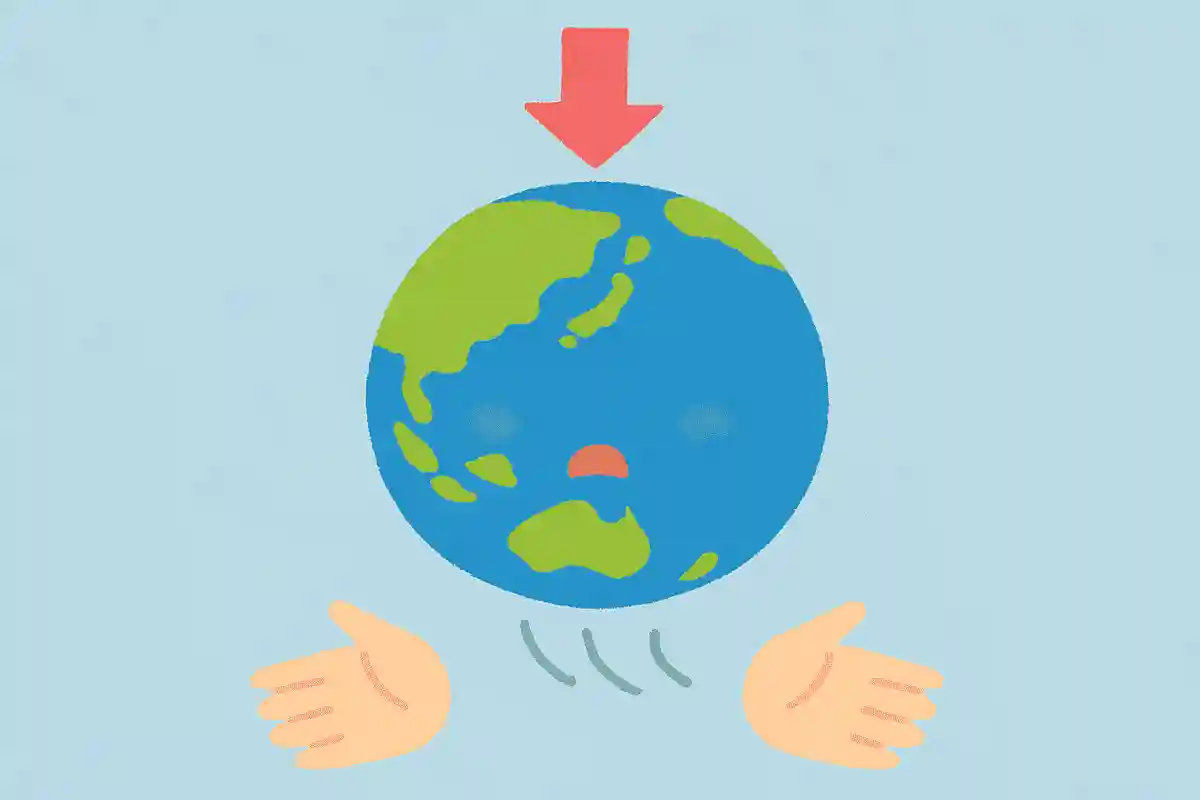
Did you know that Earth is gradually getting lighter? While the planet is seeing increases in population, buildings, and other structures, about 40,000 tons of cosmic dust fall to Earth each year due to gravity.
You might think this means Earth is getting heavier, but it is said to actually become about 5 tons lighter annually.
It seems puzzling, but the main reason for the loss is hydrogen and helium.
These gases are so light that Earth’s gravity can’t hold onto them, and they escape into space.
Additionally, when you factor in the mass lost due to the energy consumption of Earth’s internal core, the total comes to about 5 tons per year.
That said, compared to Earth’s total mass, 5 tons is only an extremely tiny amount.

The north and south poles have switched several times.
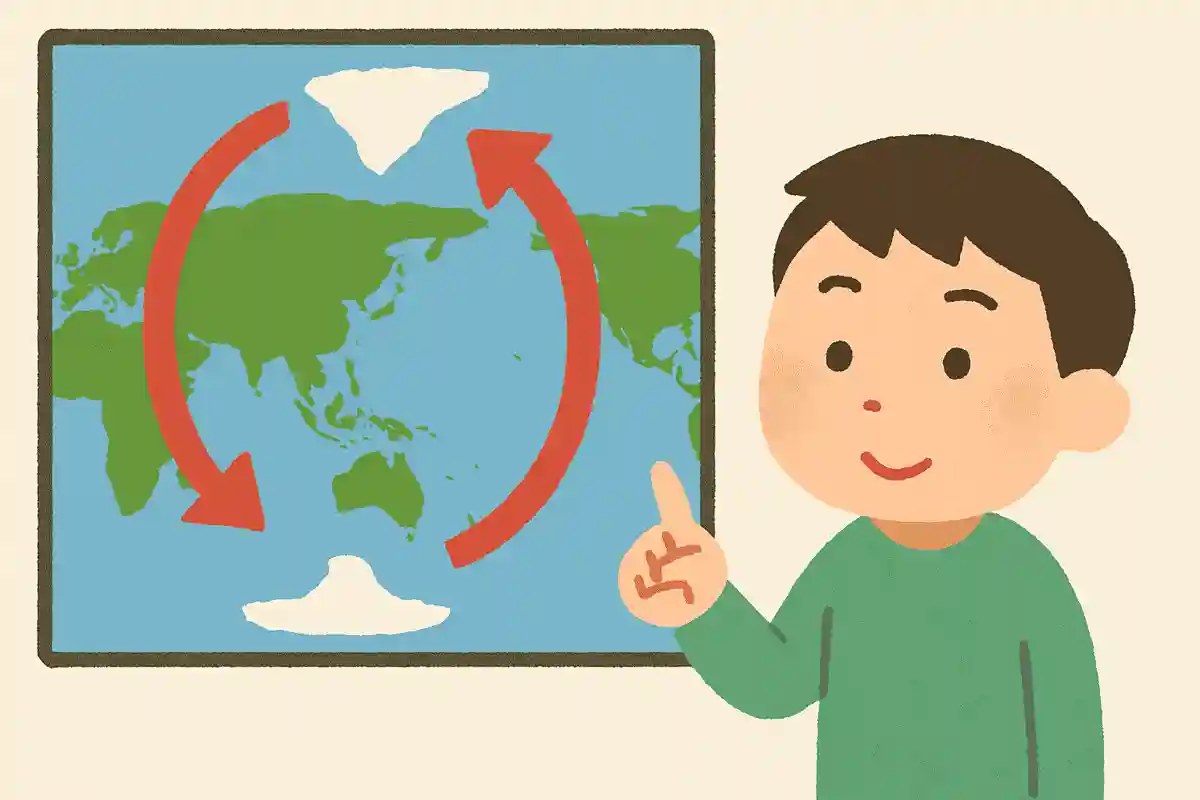
On Earth, the direction with the north being the N pole and the south being the S pole is what we refer to, right? However, the N pole and S pole have switched places several times in the past.
Because electricity flows within the Earth, the Earth acts like a giant magnet.
Just as a magnet has a north (N) and south (S) pole, the Earth has the North Pole and the South Pole.
Although the reason is unknown, the swapping of the North and South Poles is called a pole shift.
It is said that when a pole shift occurs, the Earth’s ability to shield us from harmful energetic particles from space may weaken.
This is believed to affect living organisms on Earth, including humans, as well as communication facilities.
In the past, it has been cited as one of the possible causes of the extinction of the dinosaurs, and NASA is said to be sounding the alarm about the potential damage from a pole shift.
Madagascar has the most endangered species.
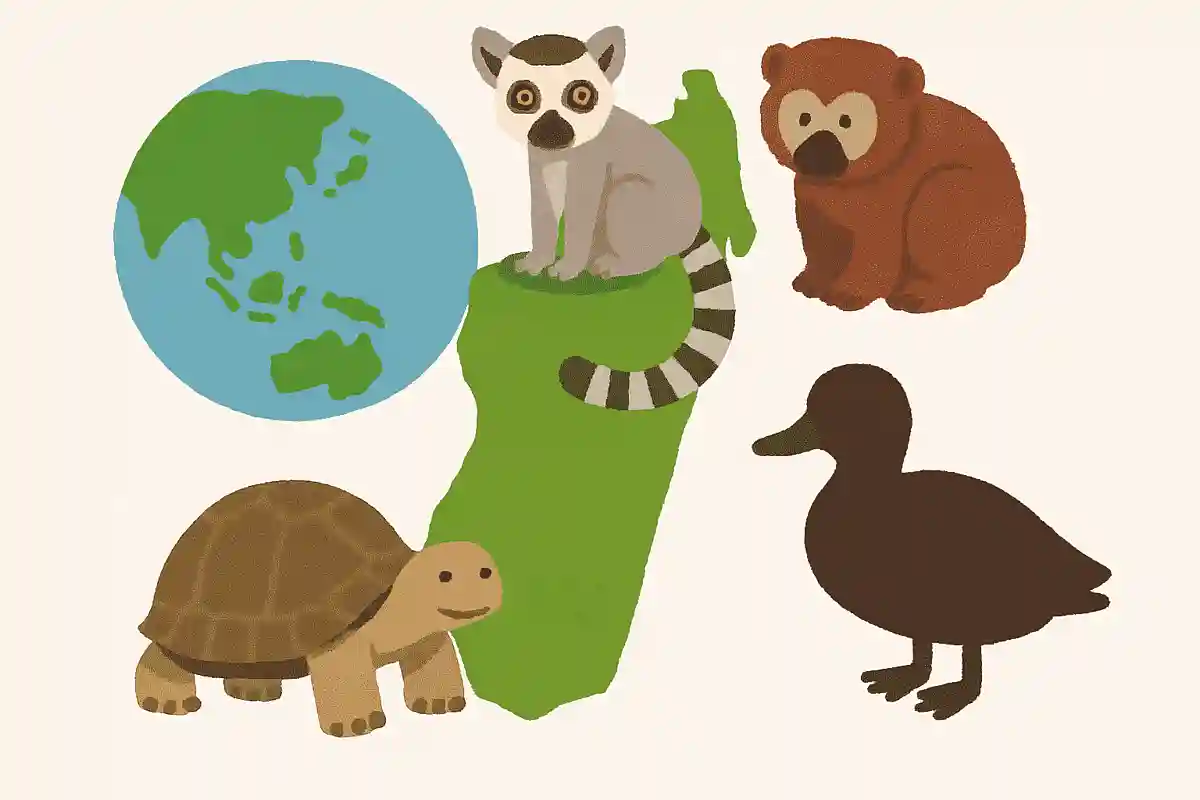
There are many reasons why certain creatures are considered endangered: some have not adapted to environmental changes, while others have unique ecologies, bringing them close to extinction.
Madagascar is said to be the country with the highest number of endangered species.
The reason lies in the fact that Madagascar is an island separated from the continents; many species evolved independently there, which means their overall populations are small.
One of the fascinating aspects of studying living things is that it reveals the history and environment of the places they inhabit.

A collection of unsettling trivia and fun facts about Earth (11–20)
The mass extinctions that occurred on Earth are called the “Big Five.”
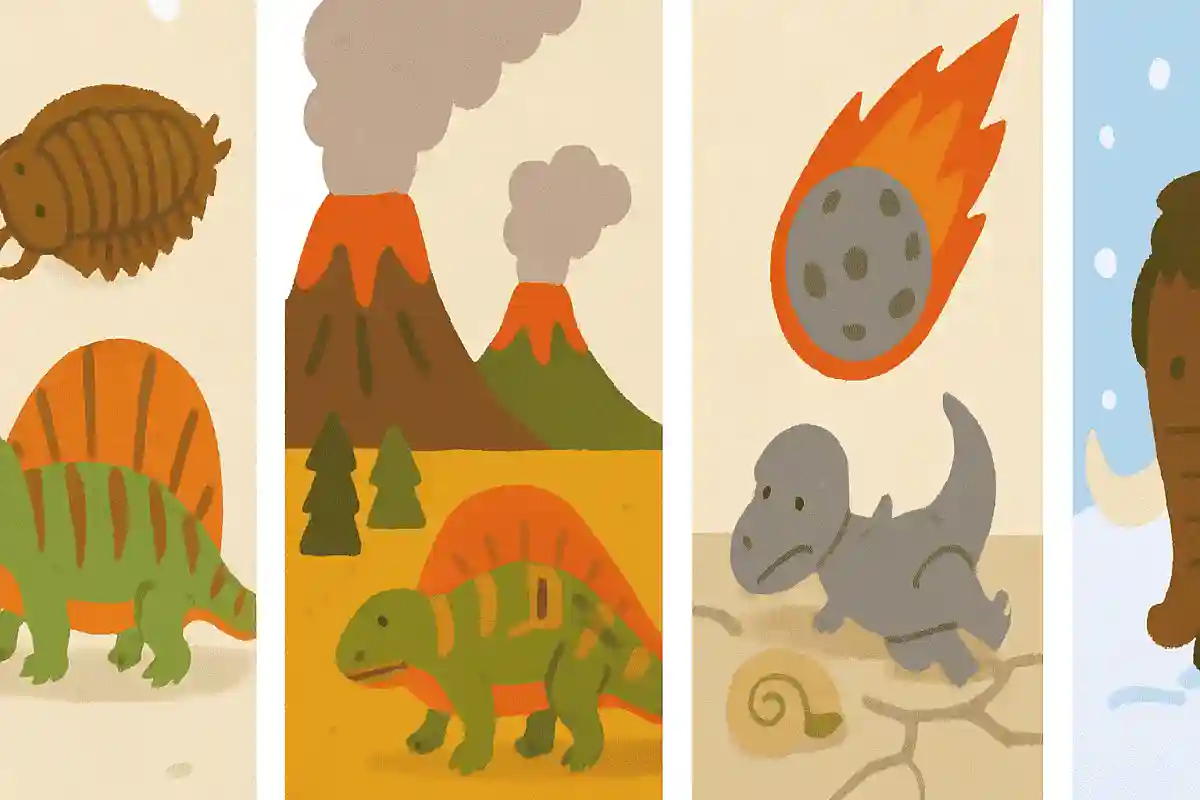
According to studies of fossils, life is said to have originated on Earth 3.5 billion years ago.
Since the emergence of life, it is thought that there have been five mass extinctions on Earth, collectively called the Big Five.
In the end-Permian period, about 251 million years ago—also known as the largest extinction event in Earth’s history—it is believed that 90 to 95% of species went extinct.
Early reptiles, amphibians, insects, and plants are said to have lived then.
Dinosaurs and birds are also said to have lived as well.
There are several proposed reasons for the extinctions; one is that evidence of a global retreat of coastlines suggests the food chain collapsed.
Other factors include large-scale volcanic eruptions and changes in the composition of the atmosphere caused by the metabolism of proliferating bacteria.
The Earth’s rotation is slowing down.
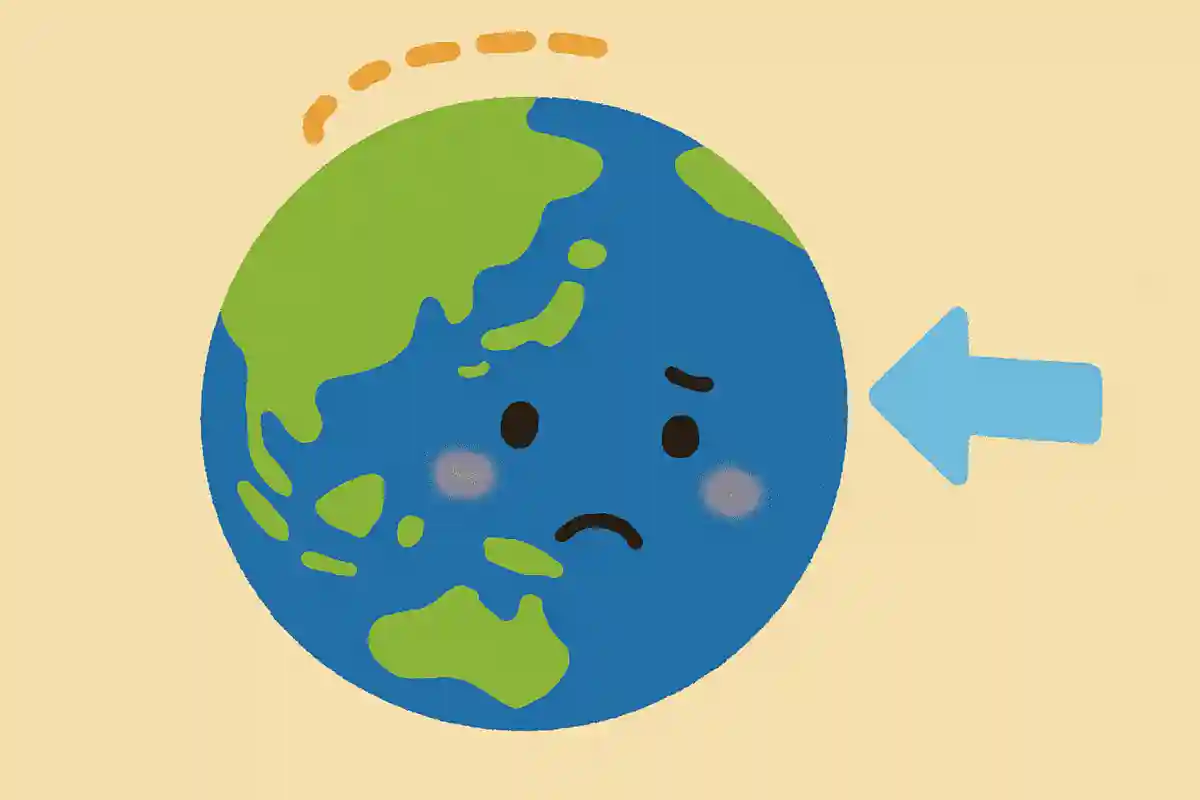
The Earth takes 24 hours to complete one rotation on its axis.
However, Earth’s rotation has been slowing down year by year.
Because of the Moon’s gravitational pull, we experience ocean tides.
When tides cause seawater to move, friction with the seafloor occurs at the same time, which slows Earth’s rotation.
Incidentally, when Earth formed 4.6 billion years ago, a day lasted about 5 hours.
It is thought that over a very long time, the rotation has gradually slowed.
In the same way, Earth’s rotation is still slowing today.
As the rotation slows, the length of a day increases—by about 2 milliseconds per century, 1 second every 50,000 years, and 1 hour every 180 million years.
In the distant future, calculations suggest that a day would become 25 hours long.
The Earth is not a perfect sphere.
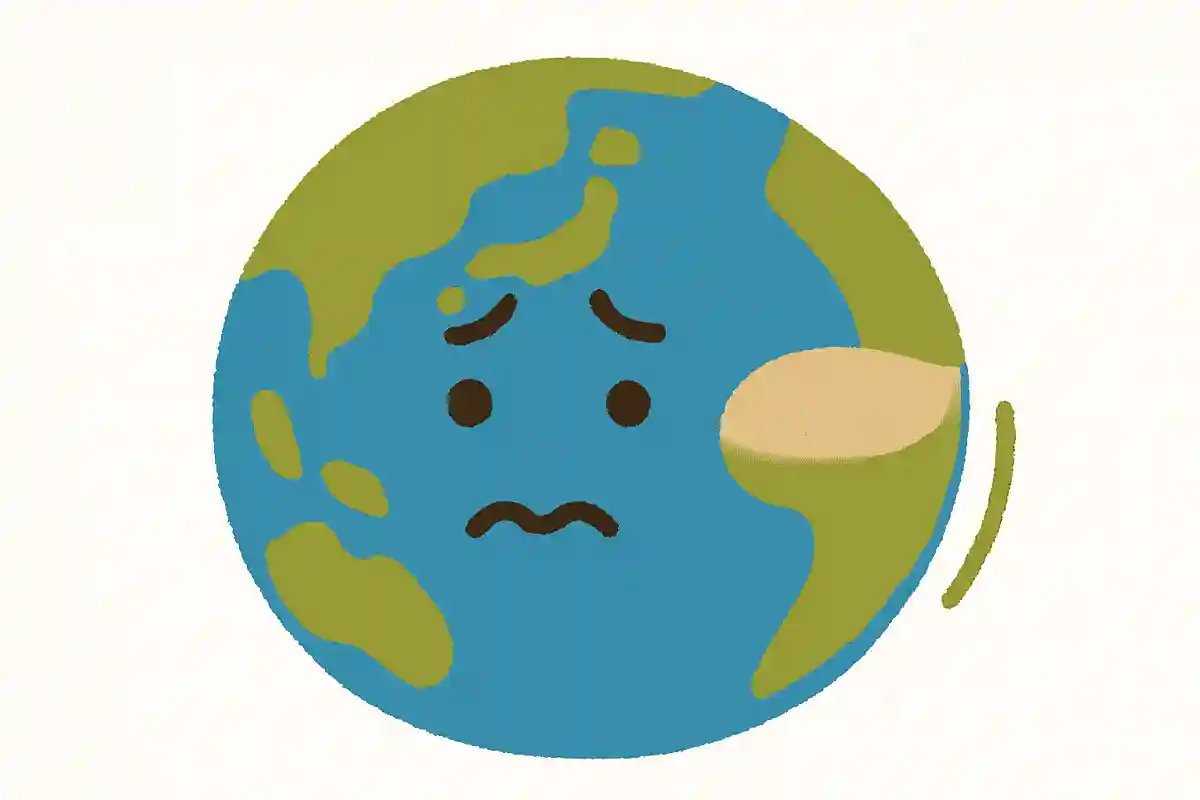
When we think of Earth’s shape, we often picture a beautiful circle—the way it’s drawn in illustrations—so most people have that impression.
However, while Earth is round, it isn’t a perfect sphere.
Strictly speaking, it’s an “oblate spheroid,” bulging at the equator and flattened at the North and South Poles.
The reason is Earth’s rotation: the centrifugal force causes the equatorial region to bulge.
It’s a fact that helps us grasp how fast the Earth spins and what kinds of forces that rotation produces.
The side of the Moon visible from Earth is always the same.
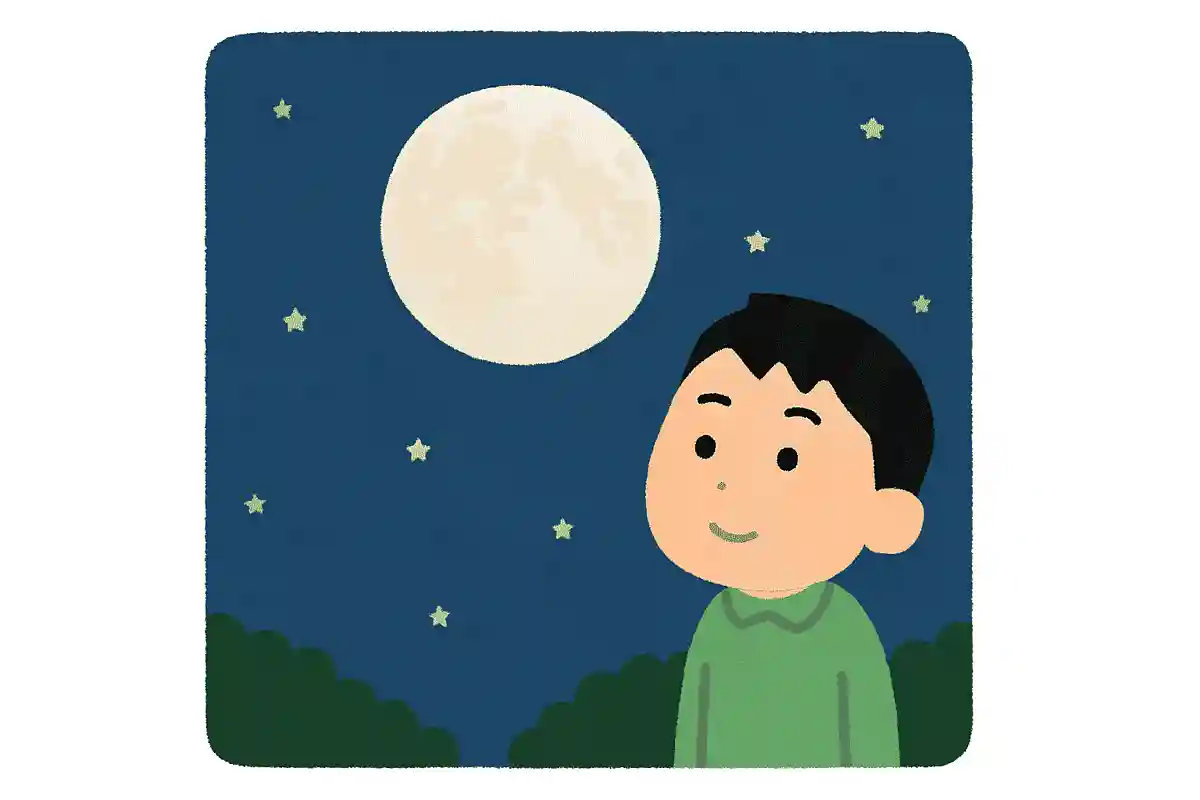
It seems that around the world, people see different shapes on the Moon’s surface—like a rabbit, a long-haired woman, or a crab.
There are many ways to see it, but what’s common is that they’re all looking at the same side of the Moon.
From Earth, we can only observe one face of the Moon.
While the Moon makes one revolution around the Earth, it also rotates once on its axis, keeping the same side facing the Earth.
That’s why we always see the same lunar face from Earth.
Incidentally, if you look at Earth from the Moon, the parts illuminated by the Sun appear bright.
Depending on the positions of the Moon, the Sun, and the Earth, it can appear as a half-moon or a crescent shape.