

A compilation of unsettling trivia and fun facts about Earth


Earth, home to humans and countless other living things.
Like outer space, it’s still full of mysteries, and research is advancing every day.
In this article, we’ll share general trivia and fun facts about our planet.
We’ve gathered a variety of information about Earth—from its history, to slightly scary stories about the future, to astonishing phenomena.
As you learn, you may feel a little unsettled, be inspired to act more environmentally friendly, or be moved to think more deeply about our planet.
Discover Earth’s surprising facts and hidden secrets!
- Didn't want to know?! Fascinating and scary trivia & fun facts
- A quiz of fun trivia: bite-sized knowledge that leads to new insights.
- Fun to Know! A Collection of Space Trivia [Rec]
- A collection of trivia and fun facts about space, brimming with dreams and romance
- Trivia and fun facts about food (summary)
- Trivia quiz with useful tips to know: fun facts that come in handy at school or at home [for kids]
- Make weather forecasts more fun! Trivia and fun facts about the weather
- Collection of trivia and fun facts about stars shining in the night sky
- English will become more fun! A collection of trivia and fun facts about the English language.
- Trivia you think you know but surprisingly don’t? August trivia and fun facts quiz!
- A roundup of insect trivia: fun facts you'll want to share
- [Snake Trivia] Things you actually don’t know about snakes. Packed with astonishing facts!
- Useful right away in daily life! Surprising trivia and handy tips
A collection of unsettling Earth facts and trivia (21–30)
Earth’s gravity varies depending on the location.
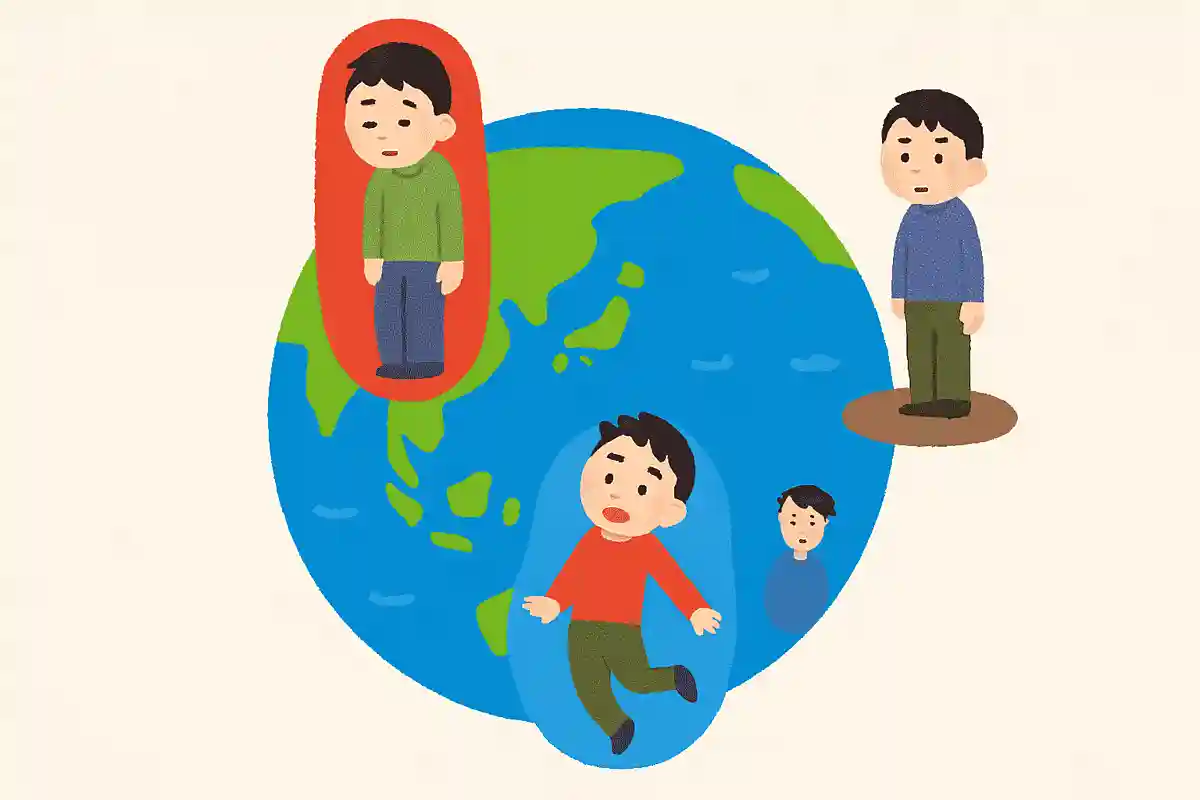
We know Earth has weight, and that’s why we feel firmly grounded.
But did you know that gravity, which we often imagine as acting the same on everyone, actually varies by location? This is due to Earth’s rotation and its shape: the centrifugal force from rotation and the fact that Earth is an oblate spheroid change the net force at different places, which in turn changes weight.
Because it’s hard to sense these differences in gravity with our bodies, the fact that gravity varies can be quite surprising.

In Tanzania, there is Lake Natron, which petrifies living creatures.
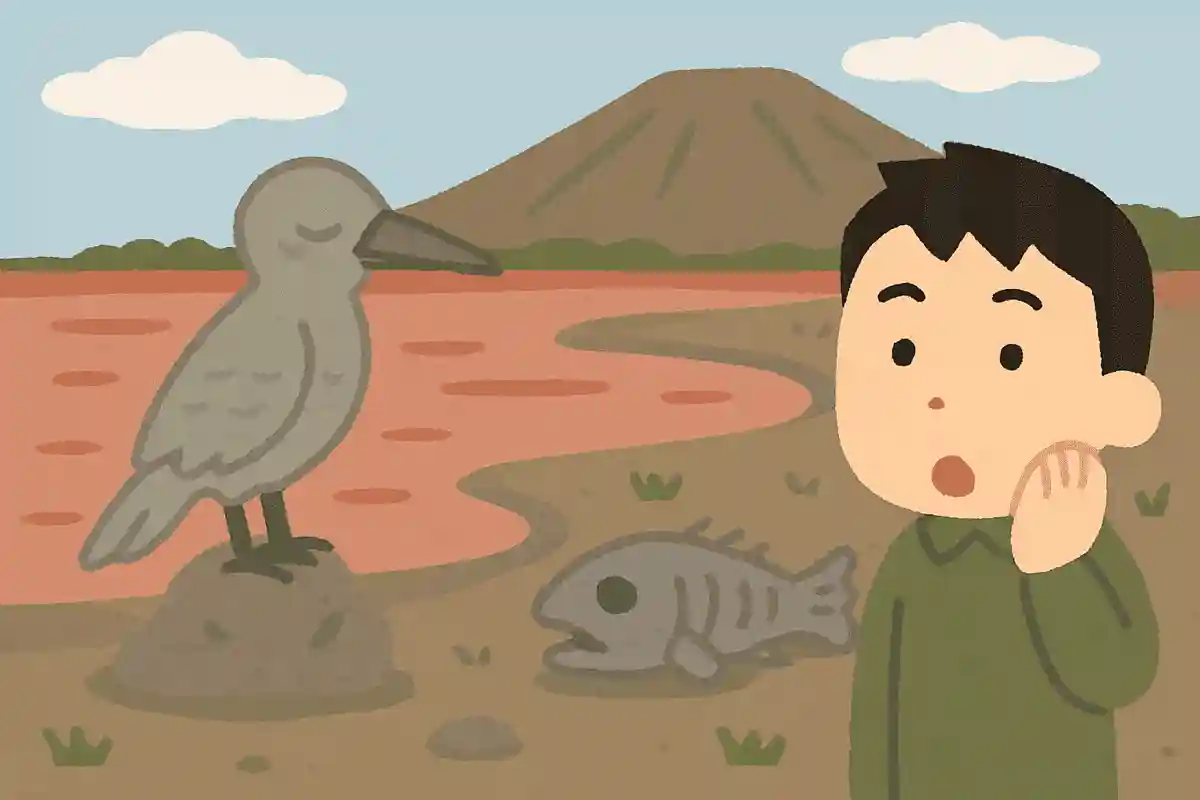
The phenomenon of living creatures turning into stone strongly evokes a fantasy image, like Medusa from Greek mythology.
In Tanzania, Africa, there is a lake that can turn animals to stone—something that even brings Medusa’s myth to mind.
The lake, called Lake Natron, is highly alkaline, and its composition causes creatures that enter it to harden as if they were stone.
The sight of animals washed up along the shore in a unique calcified state conveys not only a sense of dread but also a mysterious atmosphere.
A compilation of unsettling trivia and fun facts about Earth (31–40)
Many viruses will be released when permafrost thaws due to global warming.
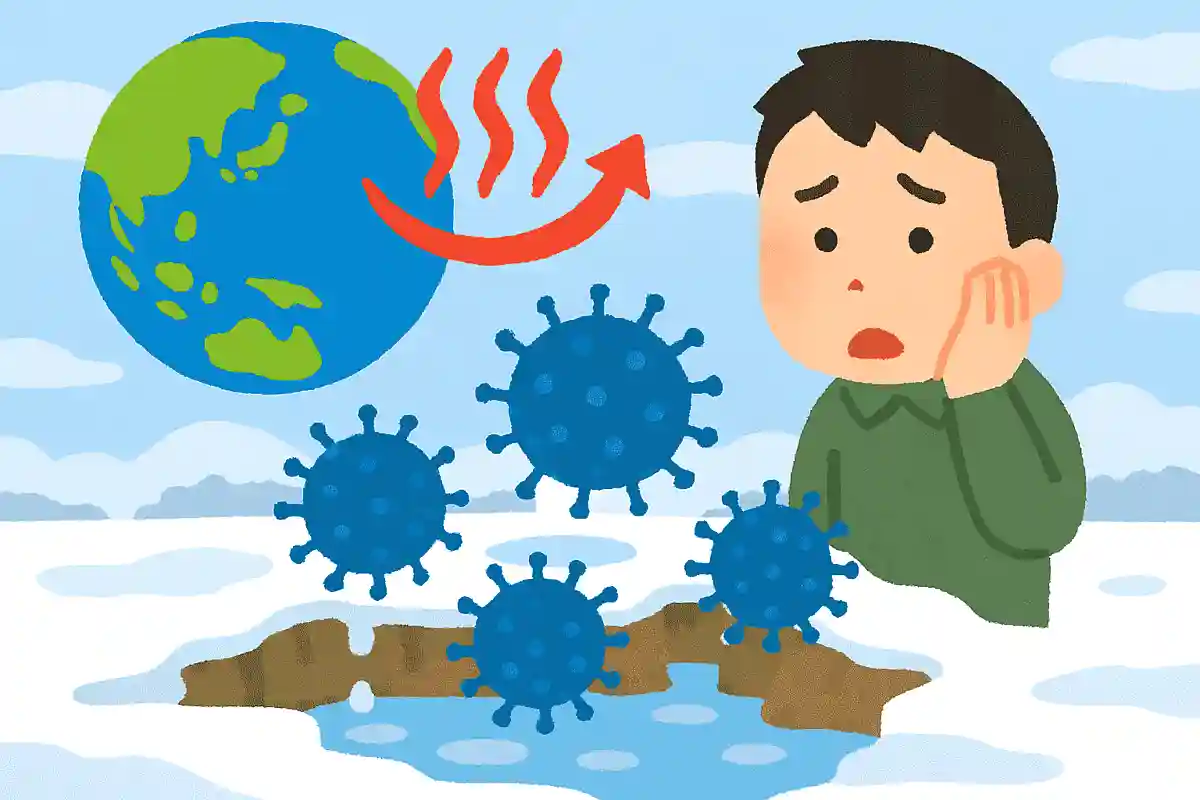
As global warming progresses, the layer of frozen ground known as permafrost is gradually beginning to thaw.
This layer has trapped plants, animals, and microorganisms from thousands of years ago, and it may also contain pathogens such as viruses and bacteria.
Those that were inactive while frozen could potentially become active again.
Because there is a risk that viruses unknown to modern human society could spread, the thawing of permafrost is a serious concern not only as an environmental issue but also for public health.
It’s a piece of trivia that conveys the risks and dangers posed by global warming.

Ocean acidification on Earth is progressing.
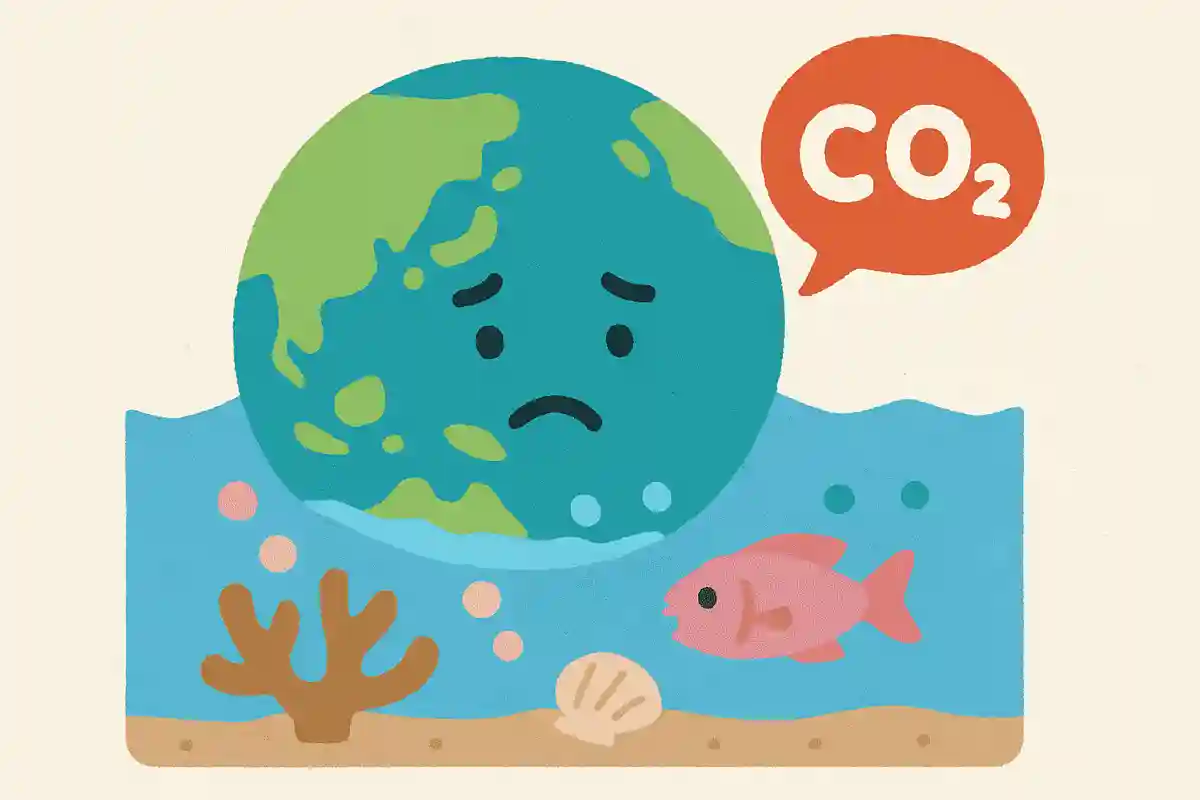
Given that about 70% of the Earth’s surface is covered by oceans, it makes sense that the state of the oceans is crucial for our planet.
Did you know that ocean acidification—which has a major impact on the global environment—is advancing? It is said to be caused by the increase in carbon dioxide in the atmosphere, which is making the oceans more acidic and affecting marine life.
Understanding how this influences essential aspects of life—such as the environment and our food—might motivate us to take carbon dioxide countermeasures more seriously.
There are places on Earth called the ‘Valley of Death.’
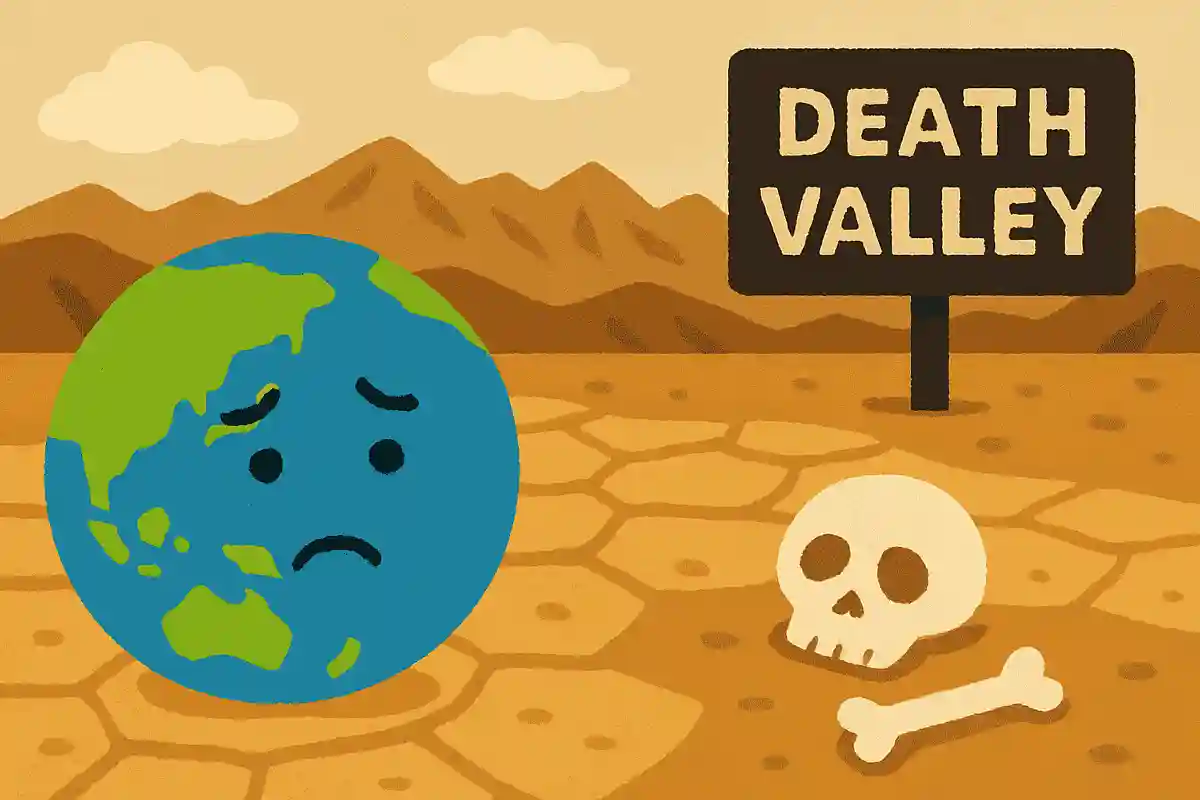
Because the world is vast and its environments are diverse, there are places that are difficult for certain organisms to live in.
Did you know there are places known as “Death Valley,” regarded as harsh environments? Located in California, USA, it is said to be the hottest and driest area in the world, and a place where many people lost their lives during the Gold Rush era.
Although it is harsh for humans, a variety of plants and animals inhabit the area, so exploring its unique environment and ecosystem could be quite fascinating.
In conclusion
We’ve shared some trivia and fun facts about Earth—what did you think? There are many things about our planet that you won’t learn just in school. Now that we’ve learned more about Earth, let’s appreciate the planet we live on even more and try to treat it more kindly for a brighter future!