

A compilation of unsettling trivia and fun facts about Earth


Earth, home to humans and countless other living things.
Like outer space, it’s still full of mysteries, and research is advancing every day.
In this article, we’ll share general trivia and fun facts about our planet.
We’ve gathered a variety of information about Earth—from its history, to slightly scary stories about the future, to astonishing phenomena.
As you learn, you may feel a little unsettled, be inspired to act more environmentally friendly, or be moved to think more deeply about our planet.
Discover Earth’s surprising facts and hidden secrets!
- Didn't want to know?! Fascinating and scary trivia & fun facts
- A quiz of fun trivia: bite-sized knowledge that leads to new insights.
- Fun to Know! A Collection of Space Trivia [Rec]
- A collection of trivia and fun facts about space, brimming with dreams and romance
- Trivia and fun facts about food (summary)
- Trivia quiz with useful tips to know: fun facts that come in handy at school or at home [for kids]
- Make weather forecasts more fun! Trivia and fun facts about the weather
- Collection of trivia and fun facts about stars shining in the night sky
- English will become more fun! A collection of trivia and fun facts about the English language.
- Trivia you think you know but surprisingly don’t? August trivia and fun facts quiz!
- A roundup of insect trivia: fun facts you'll want to share
- [Snake Trivia] Things you actually don’t know about snakes. Packed with astonishing facts!
- Useful right away in daily life! Surprising trivia and handy tips
A collection of unsettling trivia and fun facts about Earth (11–20)
The Earth rotates at about 1,700 kilometers per hour.
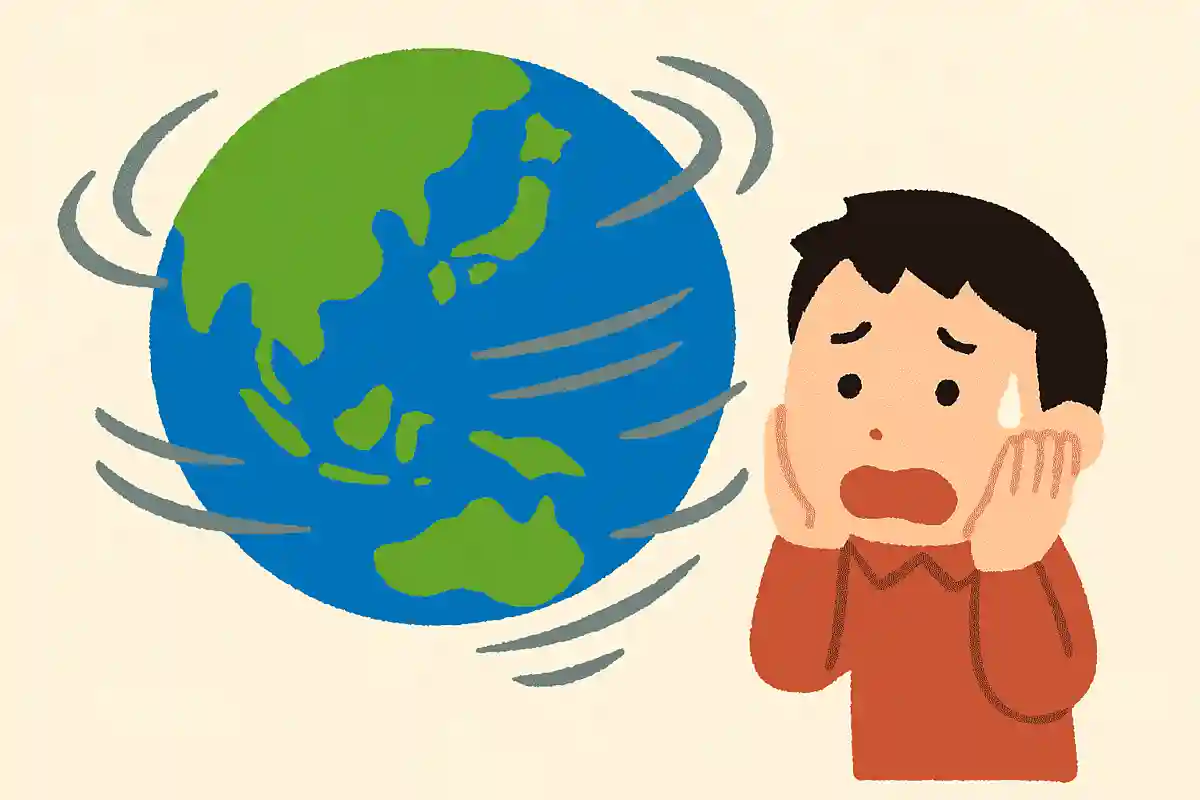
The Sun’s position in the sky changes and a day passes because the Earth is rotating.
That rotation happens at an astonishing speed of about 1,700 kilometers per hour.
You can infer this from the distance around the Earth and the fact that it returns to the same place in one day, and it’s striking that we move this far without feeling any centrifugal force.
It’s also curious that the speed is zero at the North and South Poles and increases toward the equator, even though we don’t feel the speed at all.

Change color due to the Moon’s atmosphere as seen from Earth
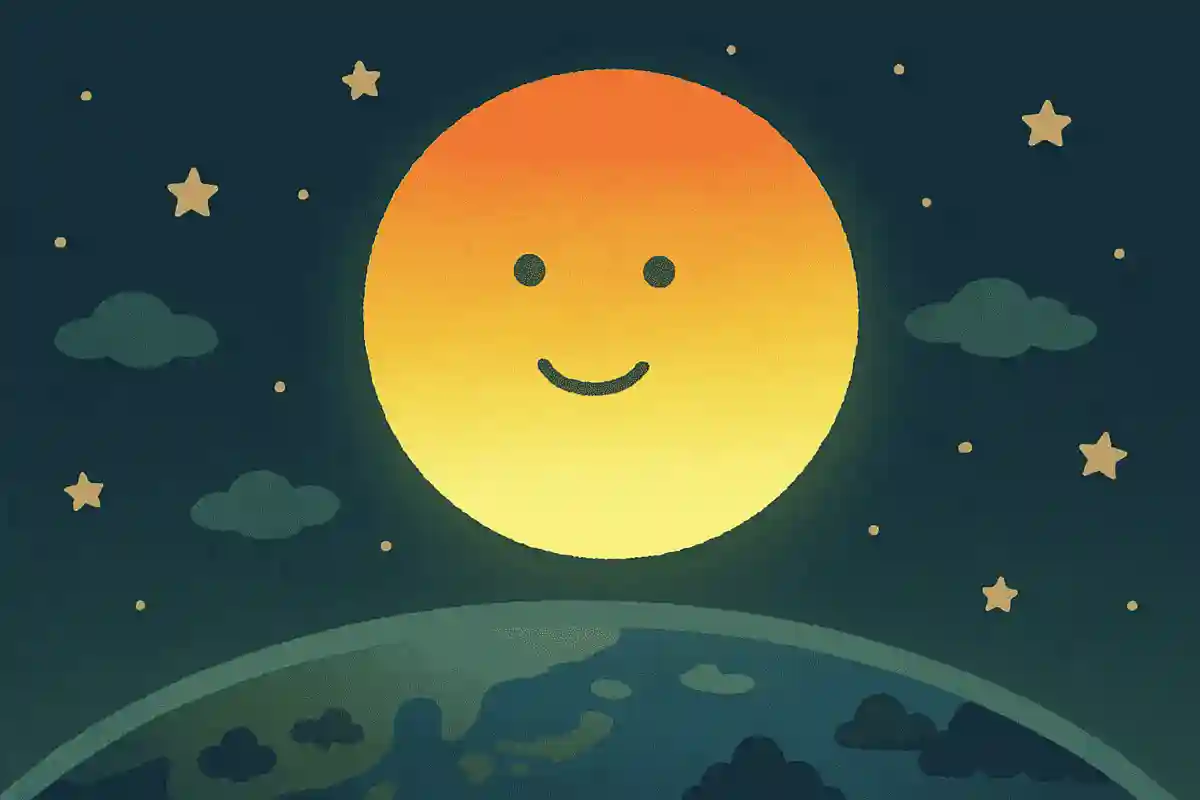
The moon floating in the sky is precious for lighting up the night, and the changes in its shape and brilliance really highlight its beauty.
The moon’s color changes due to Earth’s atmosphere, and from the way the moon appears, you can get a sense of the state of the atmosphere.
When there’s a lot of dust in the air, less light passes through the atmosphere, making the moon look dimmer; when there’s less dust, more light gets through and the moon appears brighter.
Also, depending on where the moon is relative to Earth, the path of the light changes, making its color look different.
It’s fascinating that from just the moon alone, you can glimpse the arrangement of the stars and the condition of the Earth.
The Earth’s oxygen concentration is gradually decreasing.
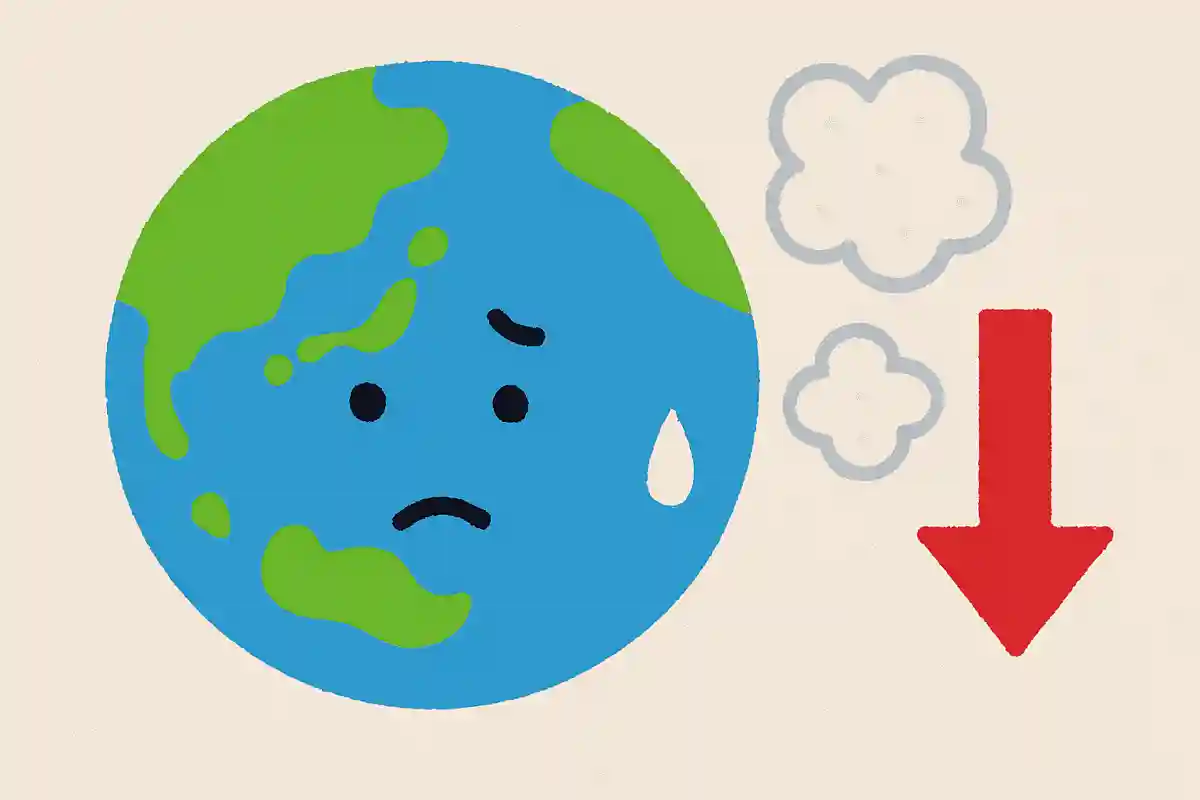
Oxygen is indispensable for human life, and you could say Earth is a miraculous planet because oxygen exists in its atmosphere.
Did you know, however, that the concentration of oxygen—one of the defining features of our planet—is on the decline globally? While it’s not at a level that affects our daily lives, the fact that something essential for living is gradually decreasing can feel quite alarming.
Since causes are said to include the combustion of fossil fuels and forest fires, it also prompts us to consider whether and how we can improve the situation.
Cow burps are one of the causes of global warming.
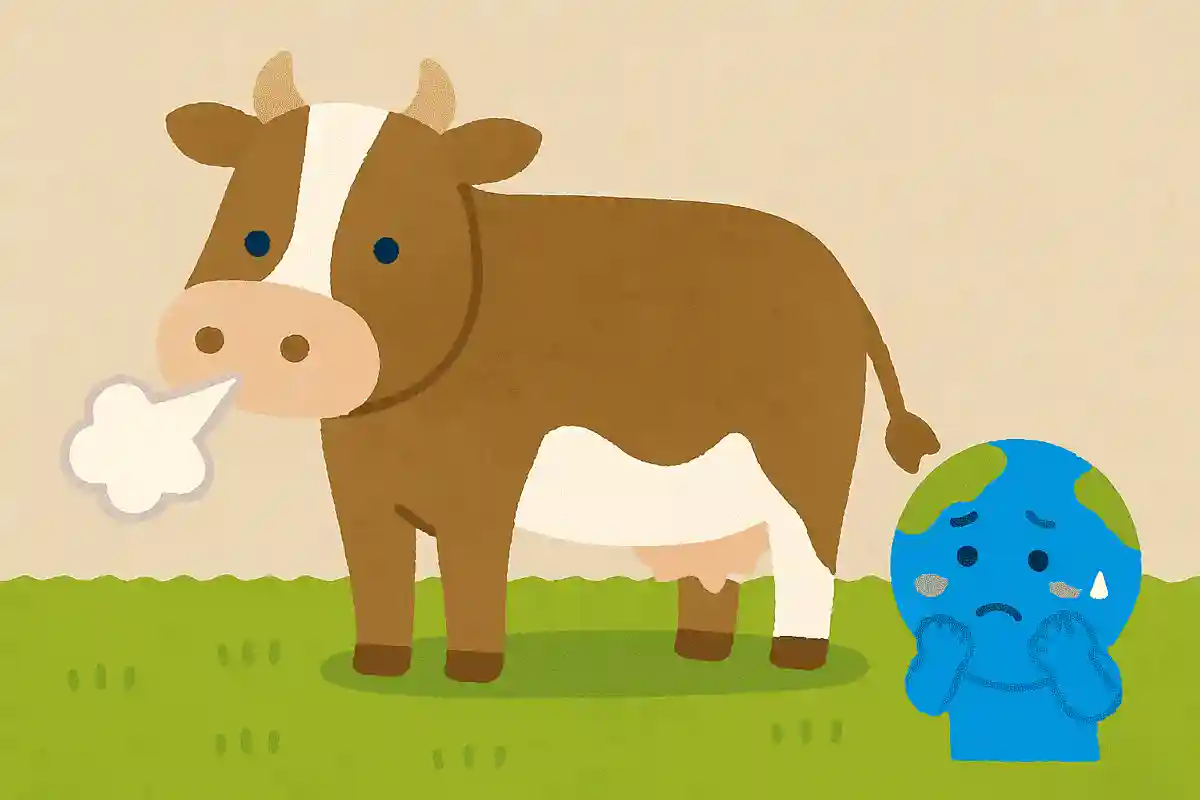
Global warming is one of the major challenges for the future, and various environmentally conscious innovations are being created.
In that context, there’s a surprising fact: cow burps have a significant impact on global warming.
Cow burps contain methane gas, which is a greenhouse gas and contributes to warming.
Methane’s greenhouse effect is 25 times that of carbon dioxide, and some data indicate that cow burps account for 4 to 5% of global greenhouse gas emissions, prompting us to think about how we can coexist with cattle.
Auroras change color depending on altitude.
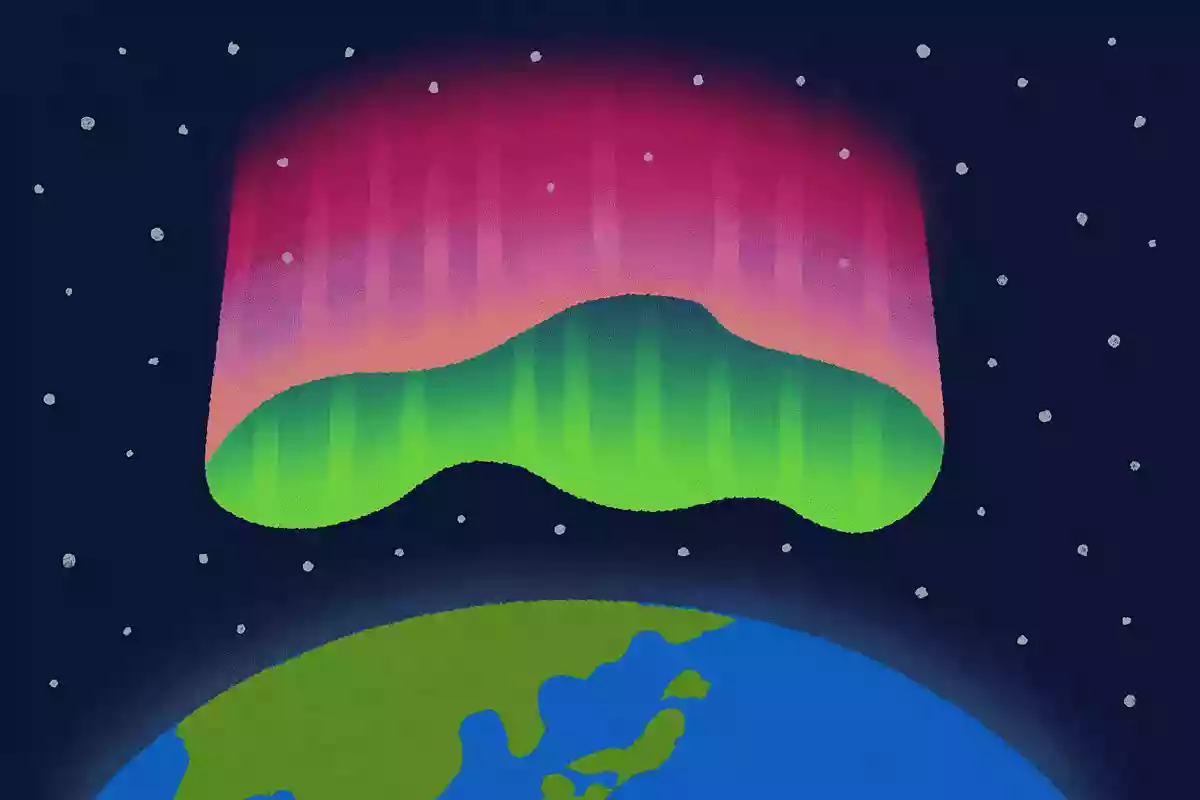
While auroras are often associated with cold countries and are a major attraction with their beautiful, curtain-like lights shimmering in the night sky, did you know that their appearance changes with altitude? The higher the altitude, the lower the atmospheric density, which affects the particles from the sun and results in different colors.
Knowing which colors appear at which locations may help you plan a journey to find your ideal aurora hues.
Even if the Arctic ice melts, sea levels will not rise.
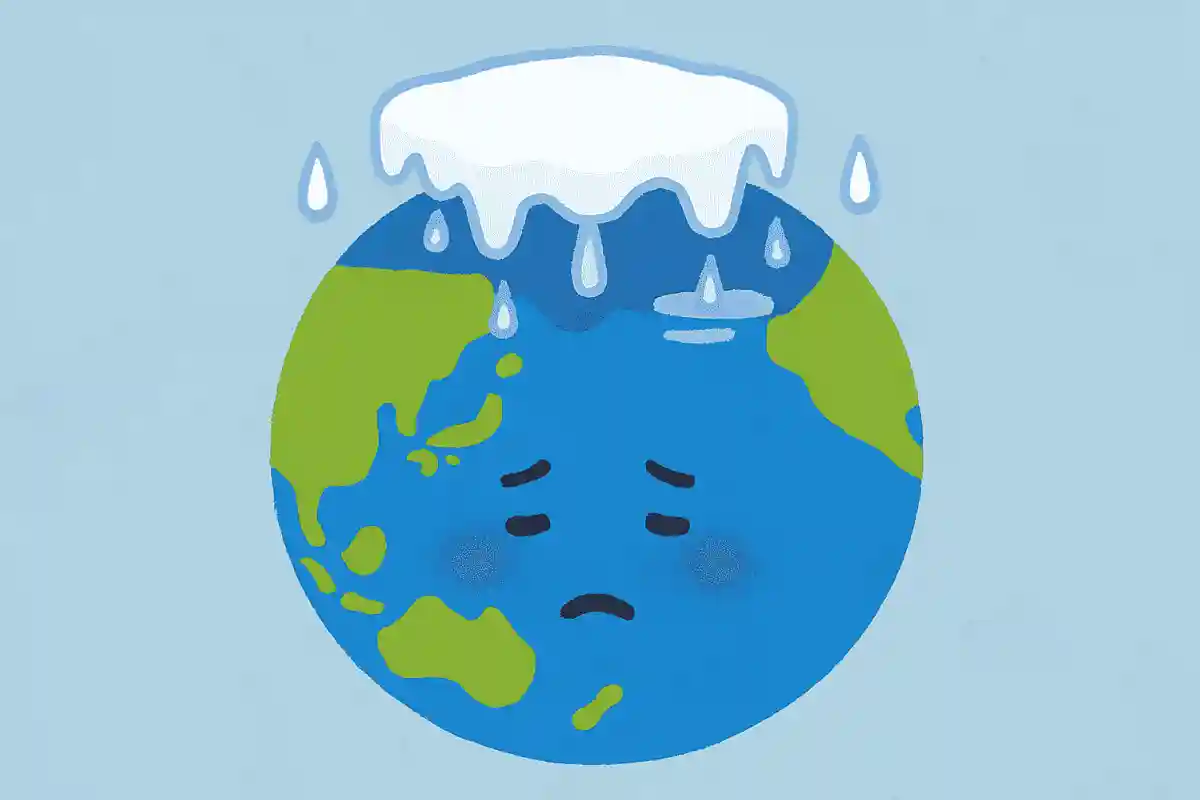
Amid concerns about global warming, we often hear that melting ice will raise sea levels worldwide.
But did you know there’s a fact that seems to contradict that familiar statement: melting Arctic ice does not raise sea levels? This comes down to how Arctic ice forms.
The region we call the Arctic is not a continent; it’s sea ice—frozen seawater—which, when it melts, simply returns to the ocean and doesn’t affect sea level.
However, ice that sits on land, such as the ice in Greenland or Antarctica, will raise sea levels when it melts.
So it’s not wrong to say we want to prevent that ice from melting.
A collection of unsettling Earth facts and trivia (21–30)
The temperature at the Earth’s core is about the same as the Sun’s surface temperature.
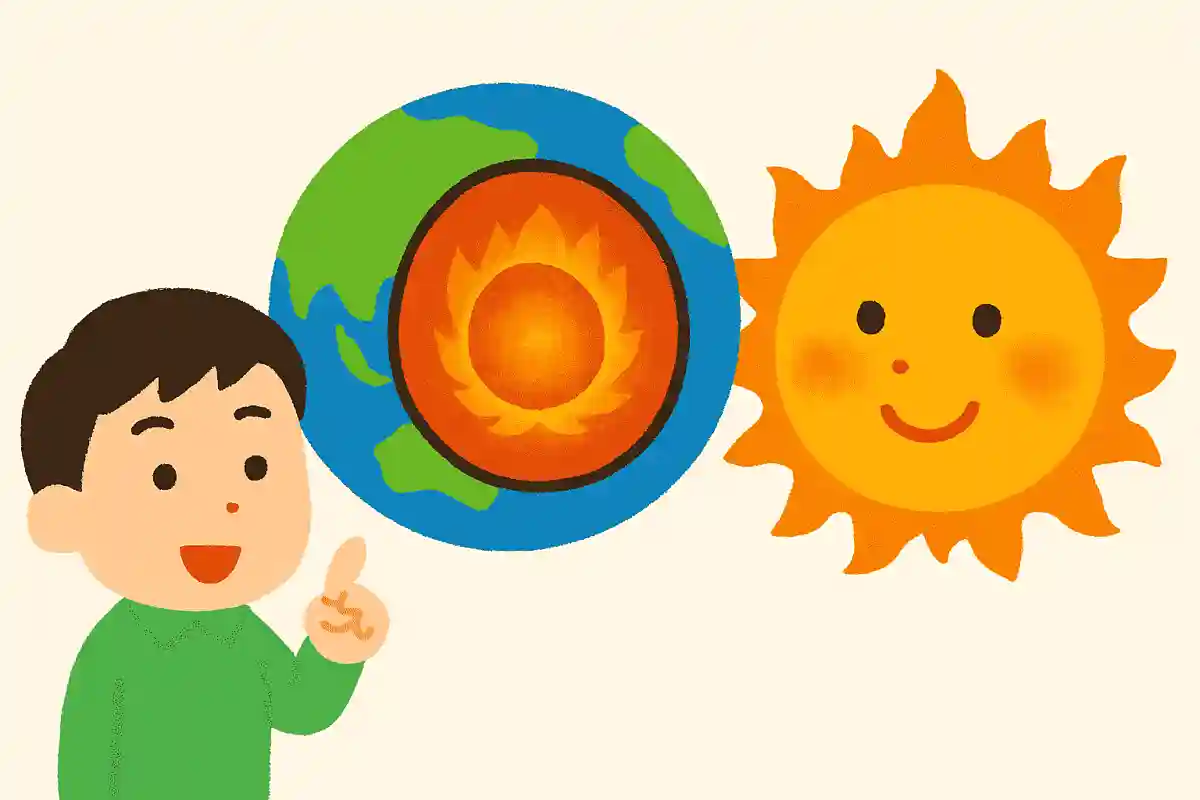
The Earth’s core is said to be about 5,700 degrees, which is roughly the same as the Sun’s surface temperature of 6,000 degrees.
The Earth’s temperature increases by 20 to 30 degrees for every kilometer of depth, and it’s said to exceed 1,000 degrees at a depth of 50 kilometers.
Since the Earth’s radius is 6,378 kilometers, the temperature becomes much higher, reaching around 5,700 degrees.
Although these are astonishingly high temperatures, the Earth’s interior is gradually cooling, and it’s thought that it may eventually cool and solidify.
If the core cools and solidifies, volcanic activity and earthquakes would become less of a concern.
However, it’s said that the environment would no longer be suitable for human habitation.
