

Collection of trivia and fun facts about stars shining in the night sky
If you start wondering what the sparkling stars in the night sky mean, you might find it hard to stop thinking about it.
In this article, we’ll share trivia and fun facts related to stars.
Because stars differ in size, shape, and brightness, one of the delights is looking up at the night sky and trying to identify their names.
As you deepen your knowledge of constellations, fixed stars, and planets, it can also prompt you to ponder the many mysteries of the universe that remain unknown.
If you’re interested in the history of the universe or in stars, please read on to the end.
Trivia & Fun Facts About the Stars Shining in the Night Sky (1–10)
The brightness of stars shining in the night sky changes as they approach the end of their lifespan.
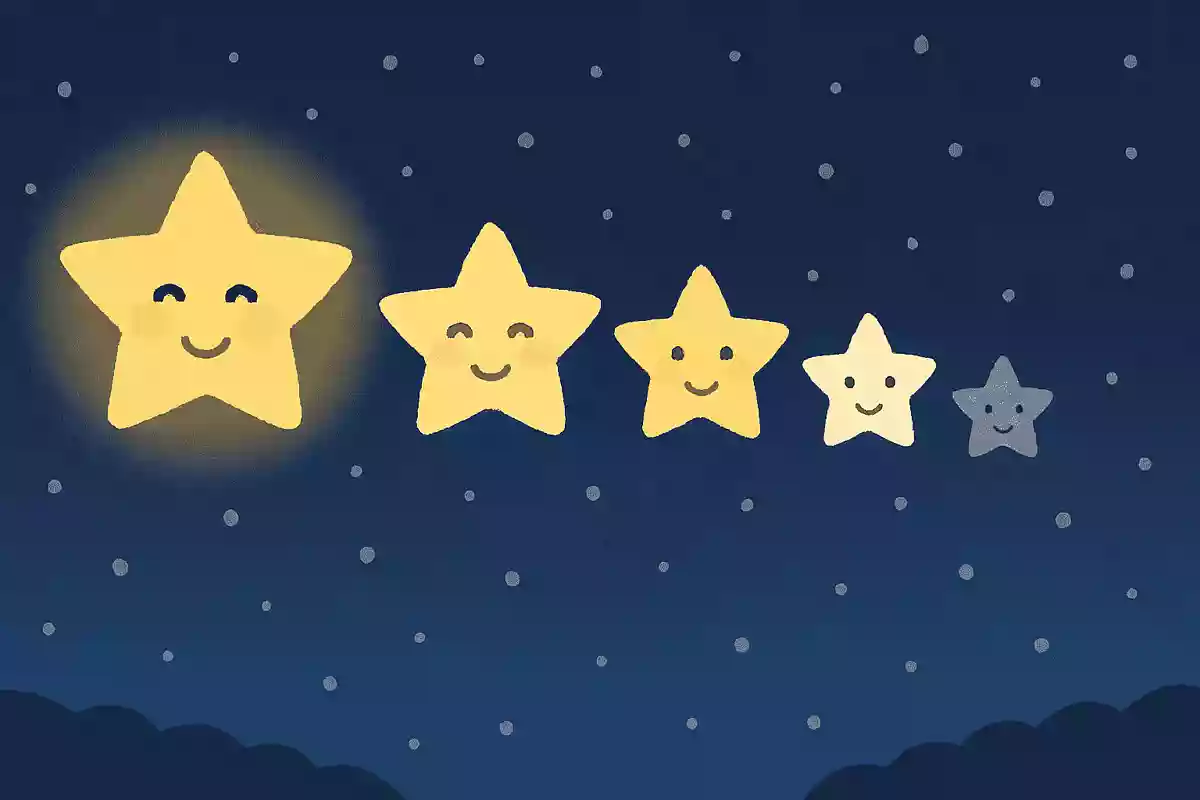
If you look closely, you can see that stars come in a variety of colors—bluish-white, white, yellow, orange, and red.
Did you know that these colors are related to a star’s lifespan? Bluish-white stars are newborn baby stars.
Although a star’s lifetime varies depending on its size and other factors, it is said to range from about 2 million to 200 billion years.
Over that time, a star gradually expands, its surface temperature decreases, and it turns red.
Thinking about this as you gaze at the stars makes them all the more fascinating, doesn’t it?

There are stars in the universe made of diamond.
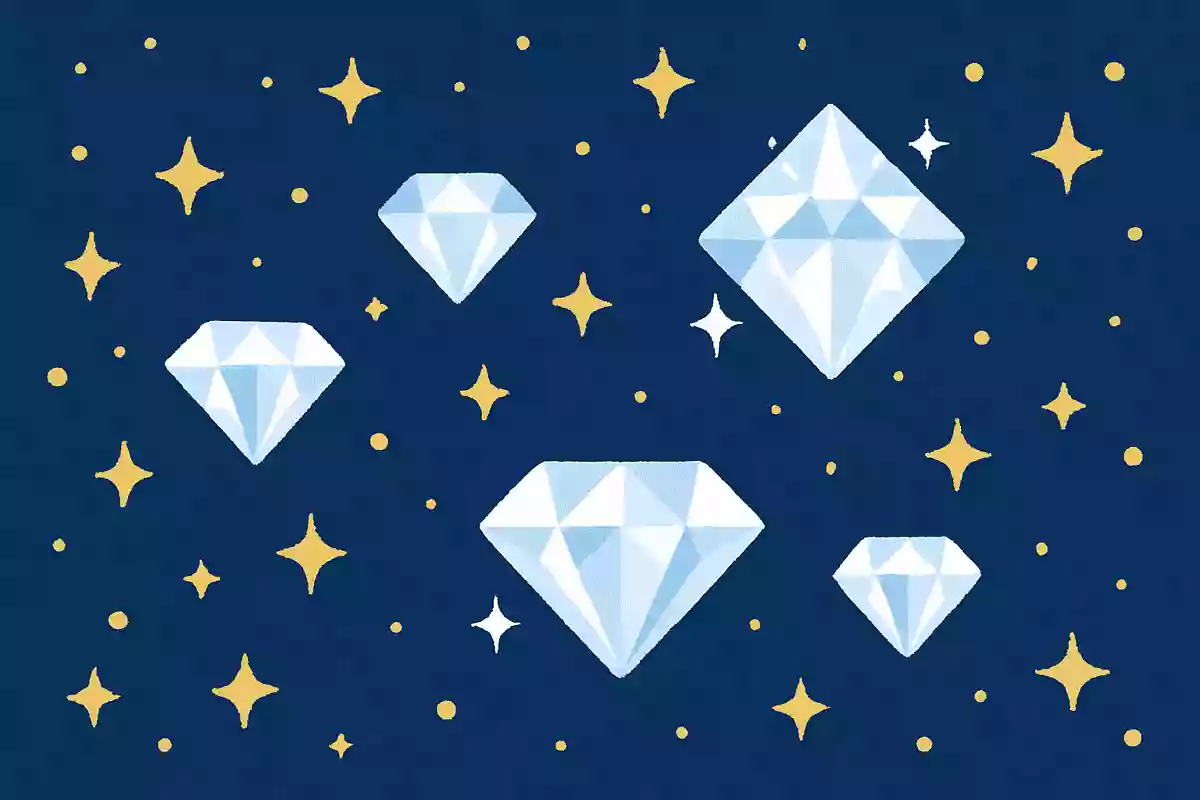
Did you know that in the constellation Cancer, relatively close to Earth—though still 40 light-years away—there is a star said to be made of diamond? Thinking of it that way, some might feel like rushing off to retrieve it, but this star is reportedly covered in a surface layer of scorching hot lead at about 2,150 degrees, beneath which lies a layer of diamond.
It seems a bit too hot to approach, doesn’t it? Considering that, it’s fascinating to realize that even planets that look similar can be very different inside compared to Earth.
A star’s lifespan is determined by the mass it has at birth.
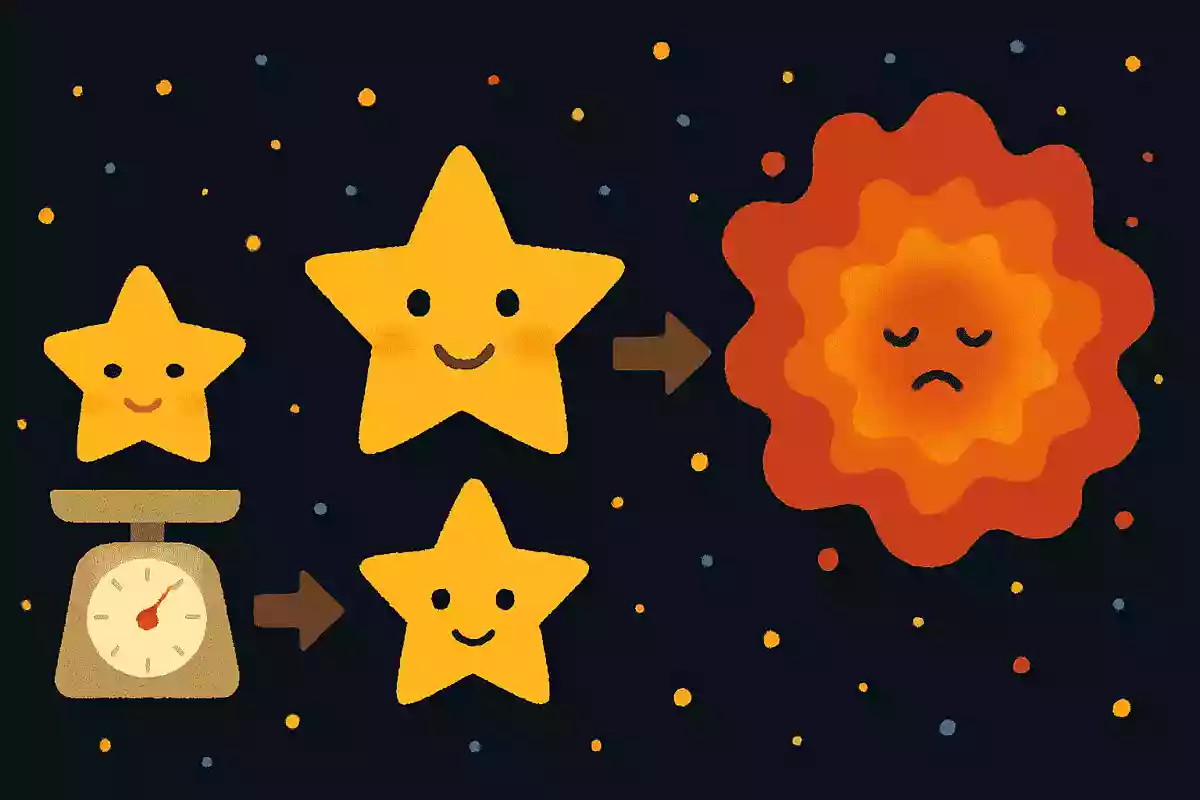
It’s said that a star’s lifespan is determined by its size.
Stars about the same size as the Sun have similar core temperatures and fuel consumption rates to the Sun, resulting in lifespans of roughly 10 billion years.
Heavier stars consume much more fuel, so although they shine more brightly, they burn through their fuel faster and have shorter lifespans.
If we compare large stars to cars, they’re like heavy vehicles with large engines.
Also, a star’s final form changes depending on its mass, which is fascinating, isn’t it?
There are 88 constellations in total.
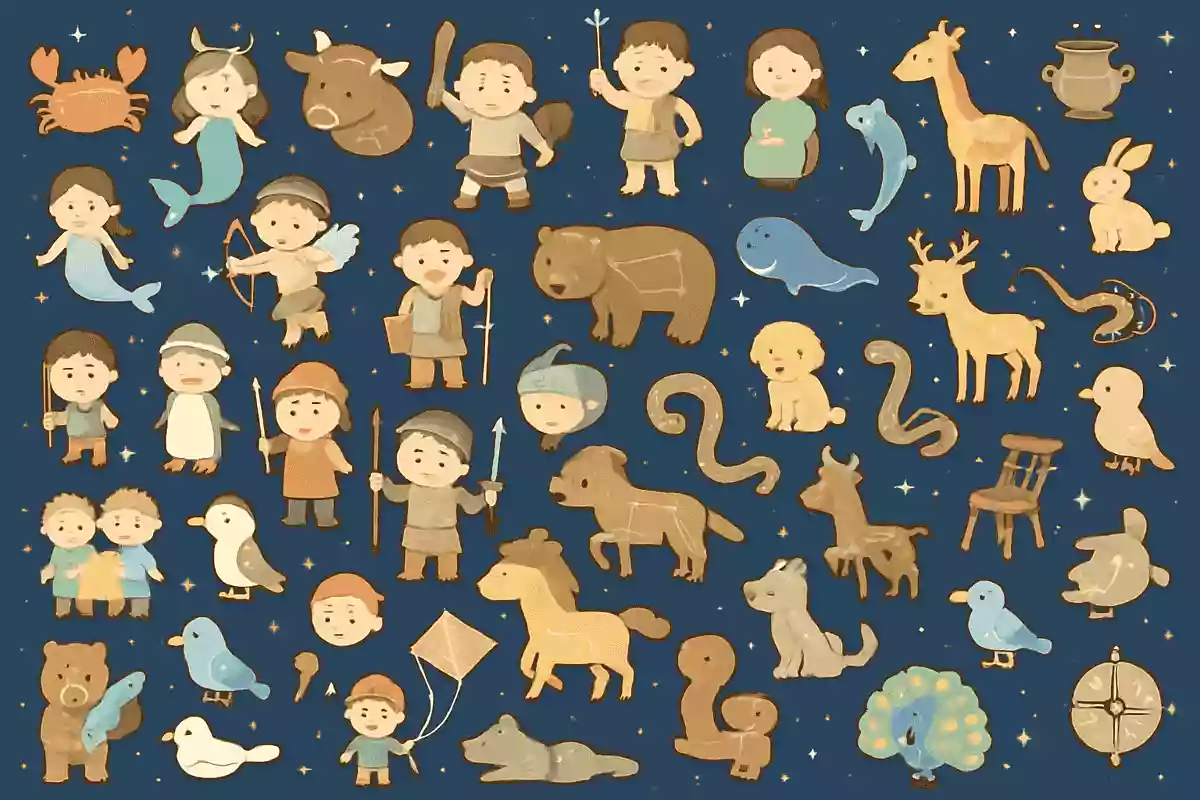
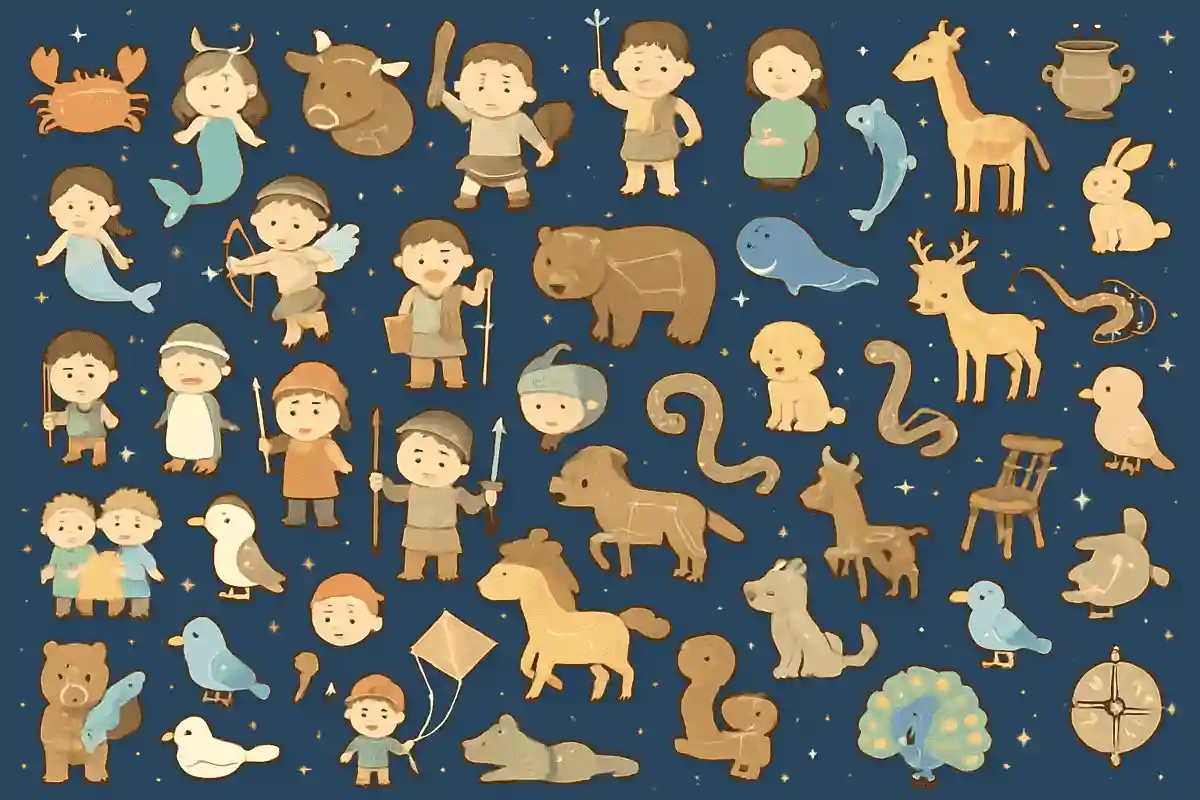
Constellations are shapes formed by connecting the stars that shine in the night sky.
Many people are familiar with the twelve constellations associated with the month they were born.
It’s said that the total number of constellations in the vast sky is set at 88.
While Greek mythology is famous in connection with constellations, constellations actually existed before those myths.
In the past, 48 constellations had been defined, but with the invention of the telescope and the inclusion of constellations in the southern sky, the number grew to over 100.
There were even some personally devised constellations made up by astronomers.
In 1928, the International Astronomical Union standardized the sky into 88 constellations and divided it into 88 regions.
These regions allow constellations to serve as addresses for stars in the night sky.

The true nature of a shooting star is space dust.
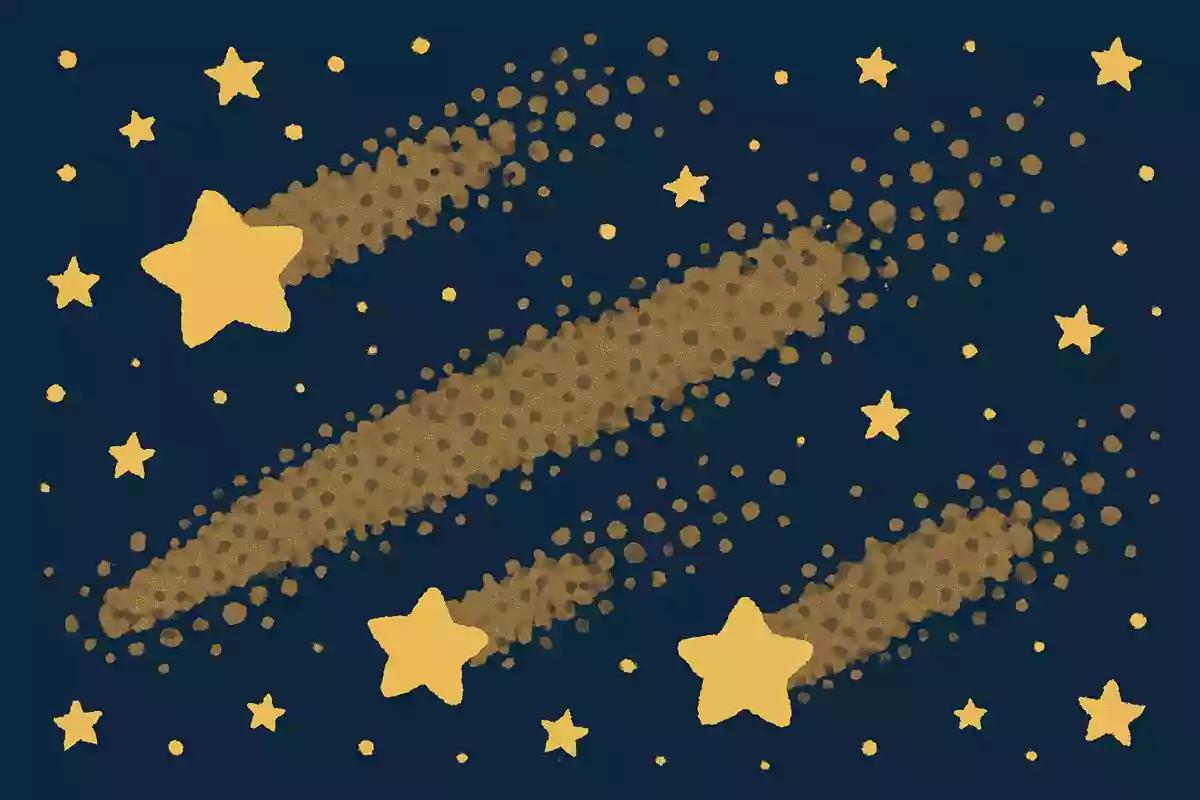
When people hear “shooting star,” many might think an actual star is falling.
But in reality, a shooting star is something like tiny dust drifting in space.
Even the larger ones are said to be only a few centimeters across.
When they collide with Earth’s atmosphere, the air glows—that’s the light we see.
Well-known events like the “Perseid meteor shower,” for example, occur when Earth passes through bands of dust shed by comets orbiting the Sun, causing many such particles to hit the atmosphere.
Thinking of it that way might make it feel a little less romantic.
Constellations were born in the Mesopotamian region about 5,000 years ago.
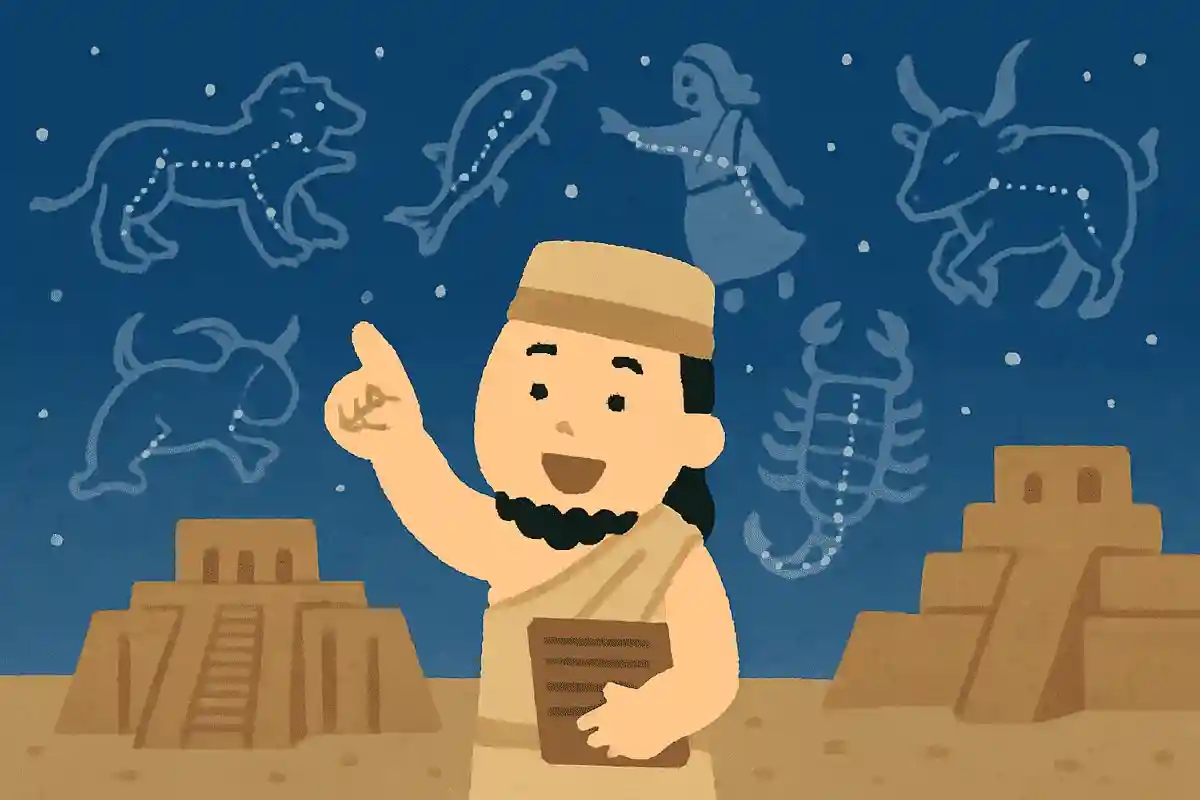
Do you know the history of constellations? It’s said that the constellations people have gazed at since ancient times were born about 5,000 years ago in Mesopotamia.
Mesopotamia corresponds to present-day Iraq, northeastern Syria, and southeastern Turkey.
It’s a region between the Tigris and Euphrates rivers where civilization developed from early on.
Shepherds living in this area are said to have created constellations while watching over their flocks and gazing at the stars sparkling in the night sky.
They connected the stars to depict heroes, myths, and animals, forming the roots of later constellations.
It’s believed from clay tablets and other sources that there were 36 constellations at that time.
Stars appear bright because nuclear fusion reactions are occurring.
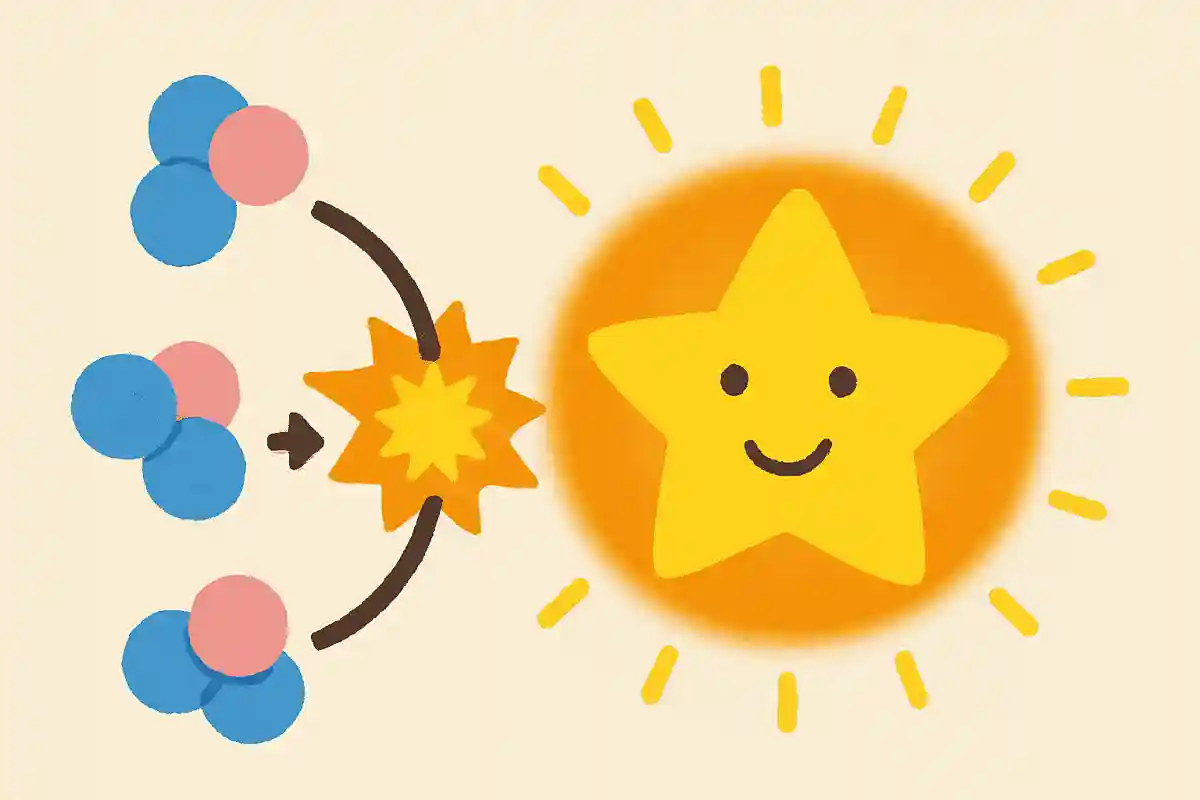
All the stars may look like they shine, but in fact, there are stars that do not emit light.
Stars that shine are called stars (stellar objects), and they generate vast amounts of energy through nuclear fusion.
Non-luminous bodies shine by reflecting the light of stars.
The Sun is one of the most representative stars, which might help you picture it.
Nuclear fusion is when lighter atoms collide and fuse to become heavier atoms.
Specifically, four hydrogen atoms fuse to form a helium atom, and the explosive nature of this reaction produces a tremendous amount of energy.