

A roundup of insect trivia: fun facts you'll want to share

Insects are a group of arthropods characterized by having six legs, bodies divided into head, thorax, and abdomen, and features such as wings and antennae.
Some insects, like rhinoceros beetles and stag beetles, are popular with children, while others are considered pests.
In this article, we’ll introduce a collection of fun facts about insects all at once!
We’ve gathered many tidbits that most people probably don’t know, so please enjoy reading along.
You’re sure to find some fun facts you’ll want to share with someone once you know them!
A roundup of insect trivia: fun facts (1–10) you'll want to share
The tiger beetle, said to be the fastest insect in the world, runs at 80 km/h.
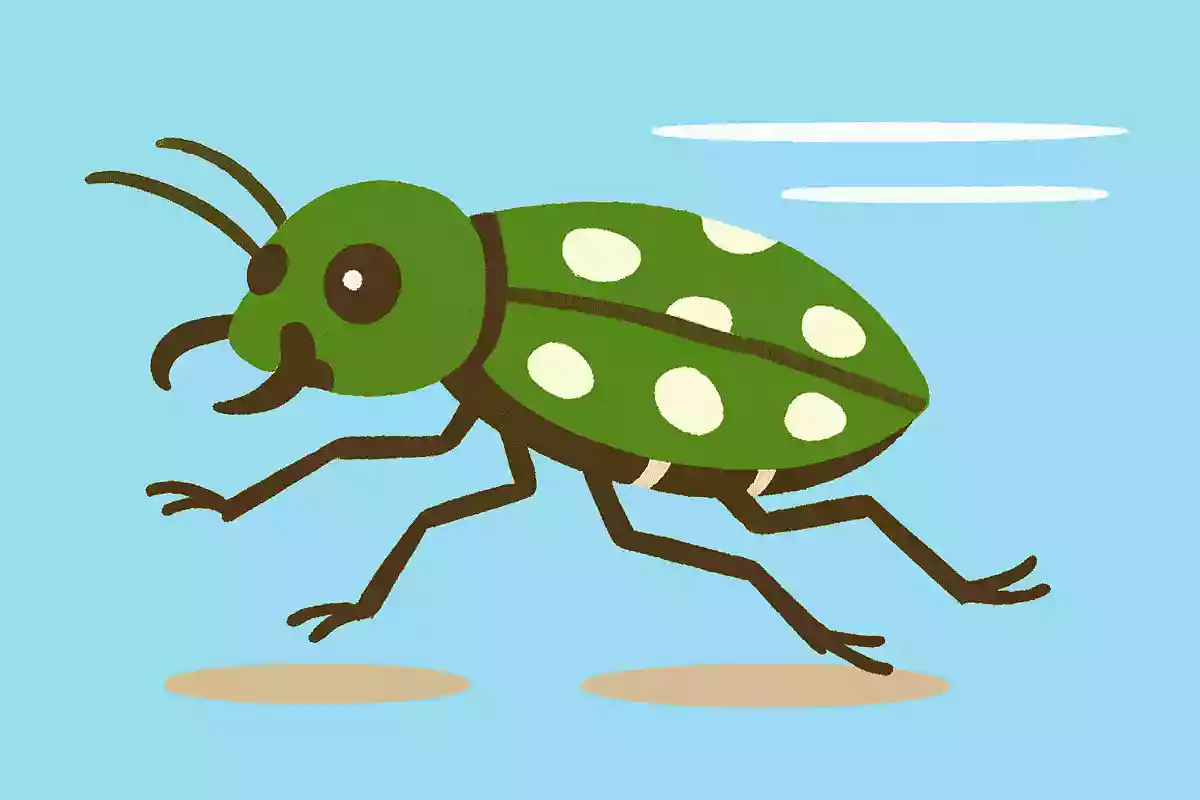
The tiger beetle, known for its vivid and striking coloration—such as red on green or white on black—is actually incredibly fast on its feet.
Did you know that? Tiger beetles can run at speeds of up to 80 km/h, earning them the title of the world’s fastest insect.
80 km/h is about the speed a car travels on a highway, right? Imagining that gives you a sense of just how fast they are.
They can run so quickly thanks to their long legs, and it’s said they push off the ground more than 10 times per second.

Beetles have a vocalization.
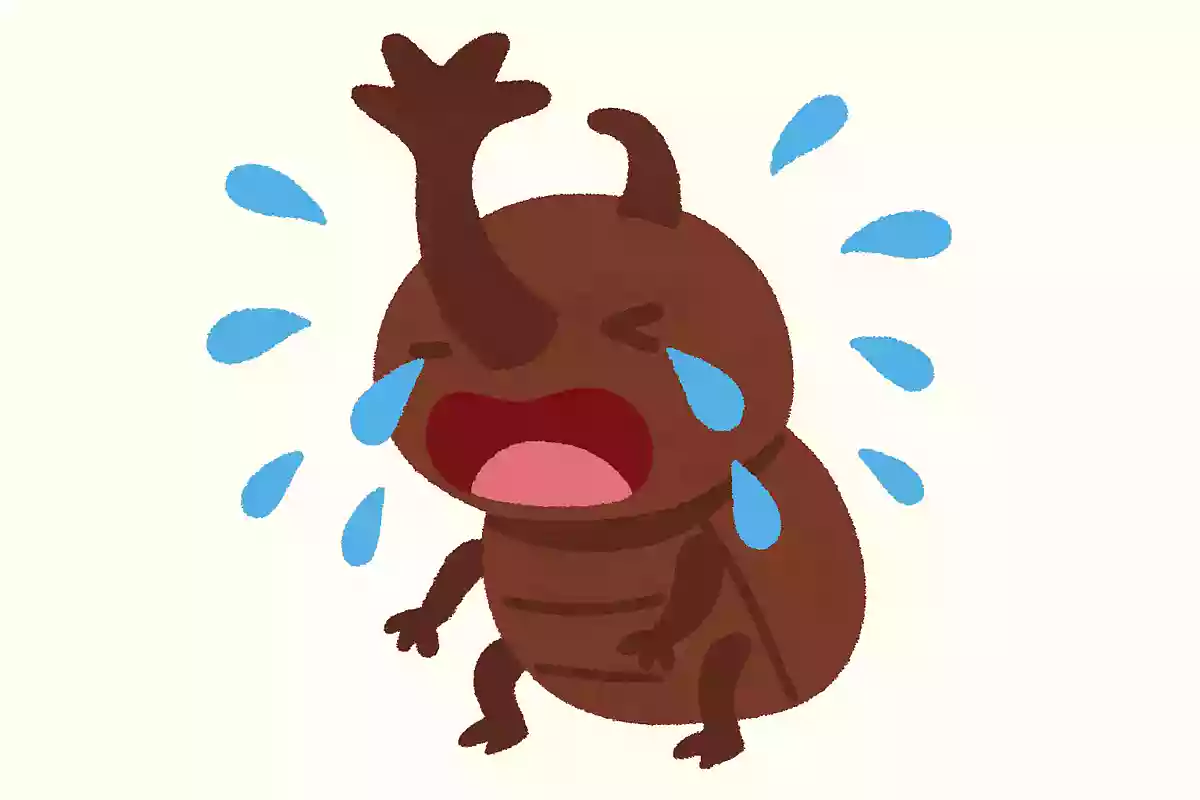
When it comes to chirping insects, pine crickets, bell crickets, and field crickets are well known, but in fact rhinoceros beetles make sounds too.
They don’t vocalize from their mouths; instead, they produce sound by rubbing their abdomen against their wings.
They make this sound when they’re excited, such as when they encounter an enemy.
How it’s heard can vary from person to person, and if you don’t know the sound, you’d never guess it’s a rhinoceros beetle “calling.” If I had to put it into letters, something like “gyuu” would be close.
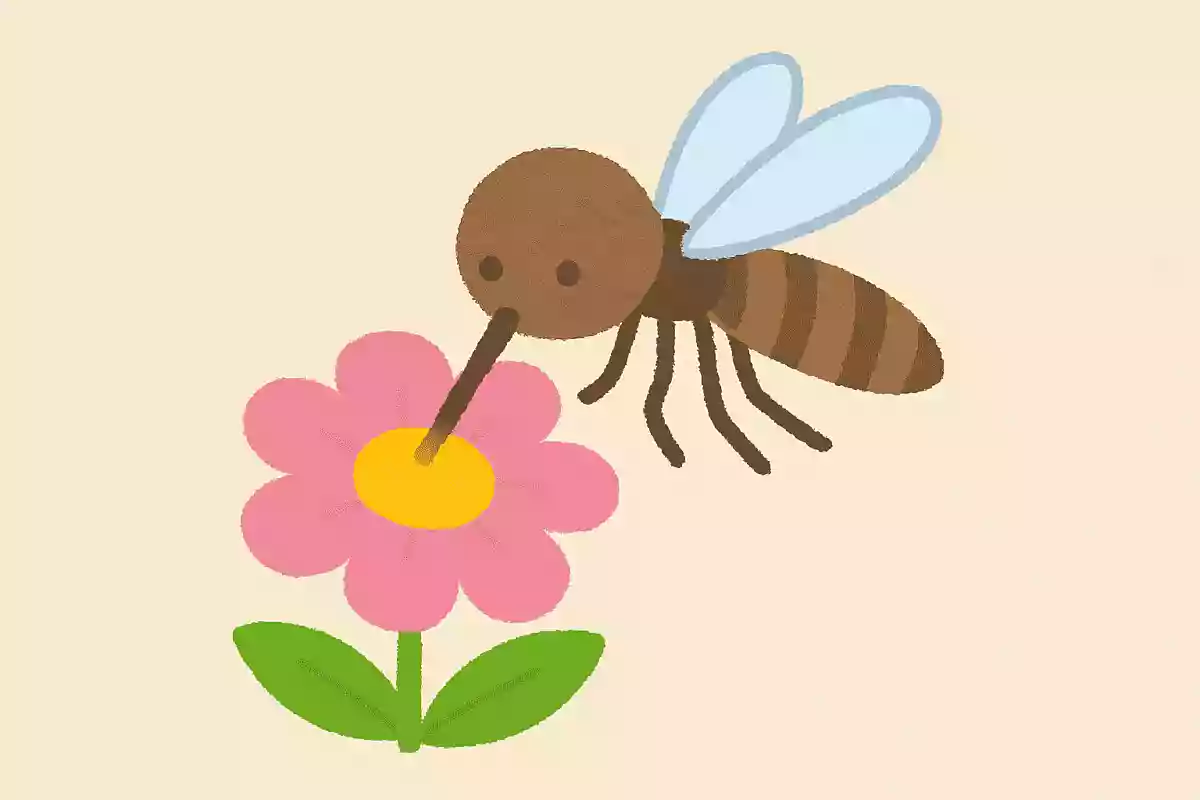
There are mosquitoes that feed on flower nectar.
Speaking of mosquitoes, they’re known for sucking blood.
Many people probably can’t stand that distinctive buzzing sound.
What’s more, mosquito bites make your skin itch, and for some people they swell up red.
Even though we know they need blood to lay eggs, mosquitoes are a nuisance to humans.
However, there are actually mosquitoes that don’t suck blood.
One such species is called Tohada-ooka (Tōwada-ōka).
It’s the largest mosquito species in Japan and is known for living on flower nectar.
Despite being a mosquito, it doesn’t suck blood at all!
A grasshopper’s ears are on its forelegs.
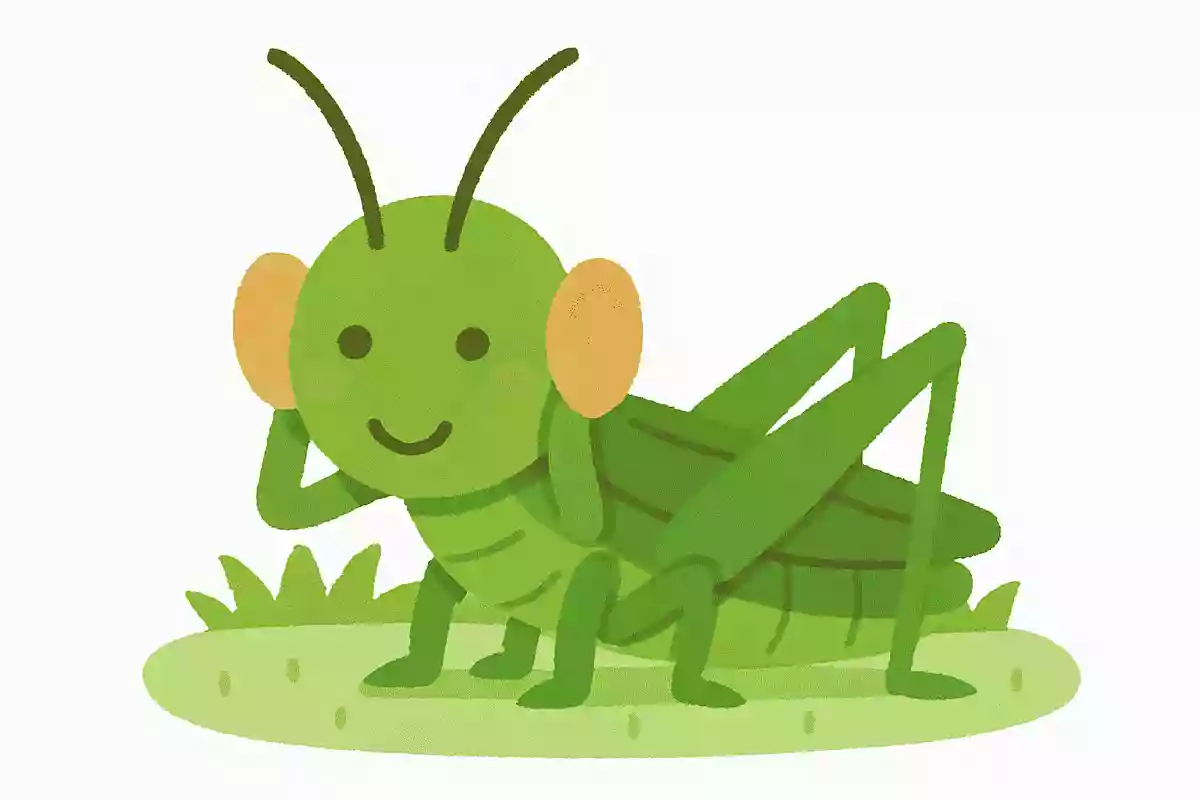
Thanks to the fable The Ant and the Grasshopper, grasshoppers have a reputation for being free-spirited and a bit lazy.
Although grasshoppers look similar to locusts, they have a slightly unusual trait: their ears are not on their heads but on their forelegs.
The ears are located on either side of the legs, and by spreading their legs they seem to determine which side a sound came from.
Besides grasshoppers, there are other insects whose ears are not on the head.
Incidentally, a locust’s ears are on the thorax, and a cicada’s ears are near the base of its hind legs.
Samurai ants take over black garden ant nests and enslave their workers.
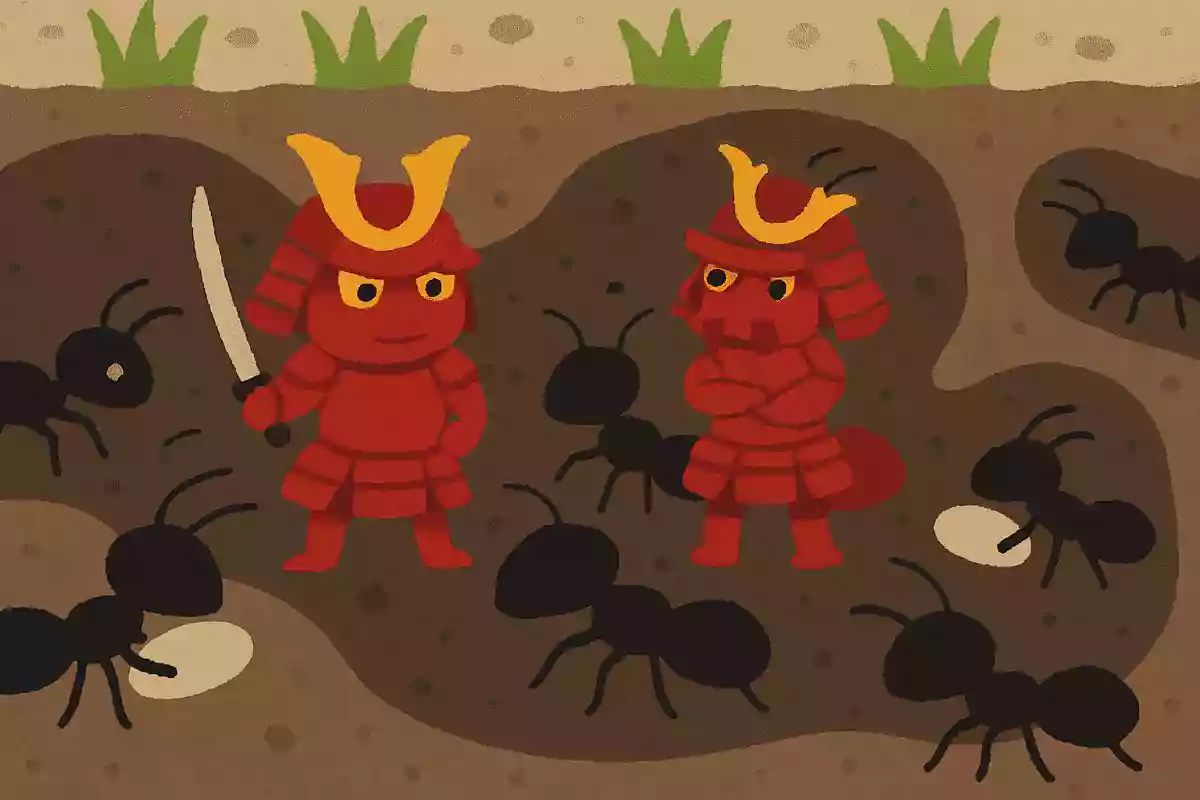
Samurai ants are dark brown to black and about 4–6 mm long.
They have a remarkable behavior: they take over the nests of black garden ants (Lasius niger) and enslave their workers.
A samurai ant queen kills the black garden ant queen, lays her eggs, and has the newly emerged samurai ants recognized as nestmates by the black garden ants, thereby seizing control of the nest.
The samurai ant workers also raid black garden ant nests, abducting workers and pupae and bringing them back.
This is called slave raiding and is the main task of samurai ant workers.
Jobs like carrying food and tending the queen are left to the black garden ants.
Wiping the soles of your feet makes you less likely to get bitten by mosquitoes.

Mosquitoes are something we start seeing a lot in summer.
Most people deal with them every year using mosquito coils, insect-killing devices, or bug repellent sprays.
However, if you still get bitten no matter what you try, you might want to try wiping the soles of your feet.
One reason some people are more prone to mosquito bites is said to be a greater variety of resident bacteria on their feet.
By wiping the soles with a disinfecting wipe and keeping them clean, you can supposedly make yourself less likely to get bitten.
Male hornets do not have stingers.
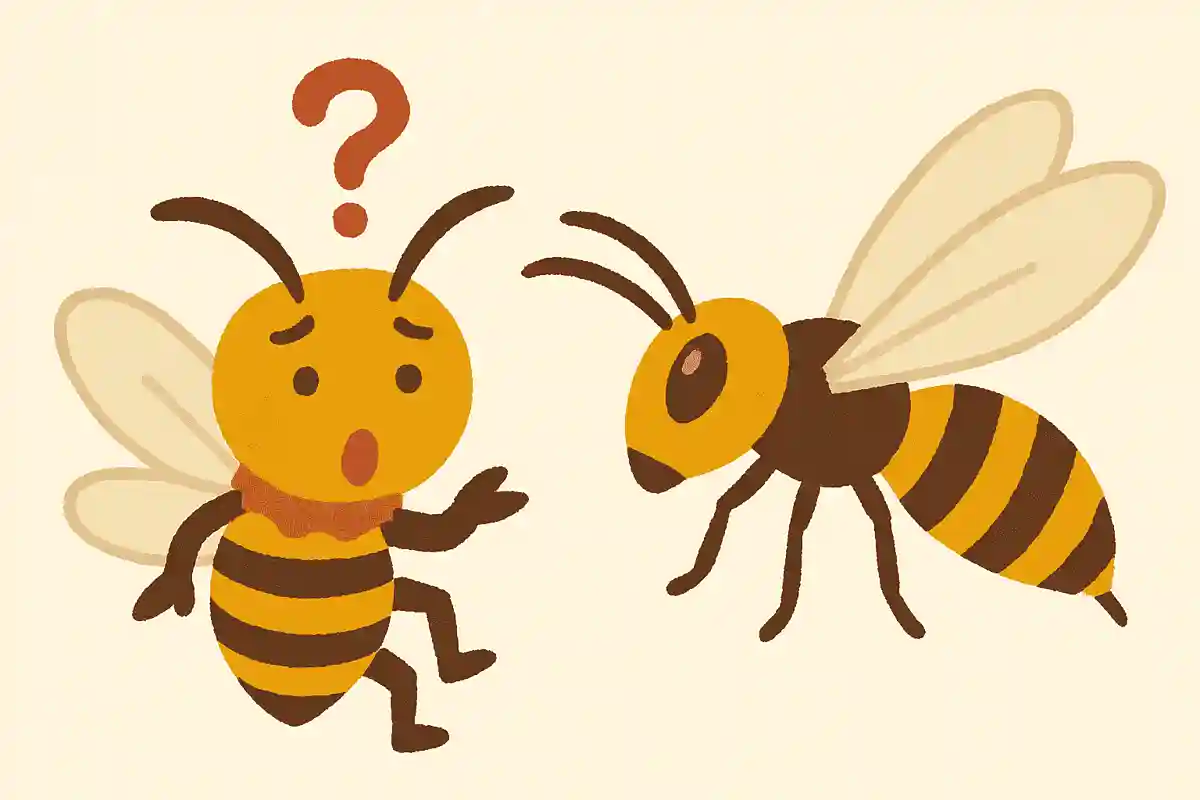
When you see a hornet, it’s natural to worry you might get stung.
But not all hornets have a venomous stinger.
Only the queen and female worker hornets do.
That’s because the stinger is a modified ovipositor.
In many other types of wasps as well, males don’t have stingers.
Some wasp species die after stinging, but hornets can sting repeatedly without dying, so if you spot one, be careful not to provoke it.