

A roundup of insect trivia: fun facts you'll want to share

Insects are a group of arthropods characterized by having six legs, bodies divided into head, thorax, and abdomen, and features such as wings and antennae.
Some insects, like rhinoceros beetles and stag beetles, are popular with children, while others are considered pests.
In this article, we’ll introduce a collection of fun facts about insects all at once!
We’ve gathered many tidbits that most people probably don’t know, so please enjoy reading along.
You’re sure to find some fun facts you’ll want to share with someone once you know them!
- Insect trivia quiz: A collection of fun facts and questions about bugs for children.
- Didn't want to know?! Fascinating and scary trivia & fun facts
- [For Elementary School Students] 3-Choice Quiz to Deepen Knowledge of Living Things
- [Snake Quiz] Surprisingly fascinating once you know! Snake ecology & characteristics
- Trivia and fun facts about food (summary)
- [Trivia] Do you know the answers? A roundup of animal quizzes
- [Snake Trivia] Things you actually don’t know about snakes. Packed with astonishing facts!
- [Animal Quiz] Learn about animals through quizzes!
- So interesting you’ll want to tell someone! December Trivia & Fun Facts Special
- Trivia you think you know but surprisingly don’t? August trivia and fun facts quiz!
- Useful right away in daily life! Surprising trivia and handy tips
- [For Elementary School Students] Animal Quiz to Learn Knowledge and Fun Facts
- Trivia & fun facts about June
A roundup of insect trivia: fun facts (1–10) you'll want to share
Silkworms cannot survive without human care.
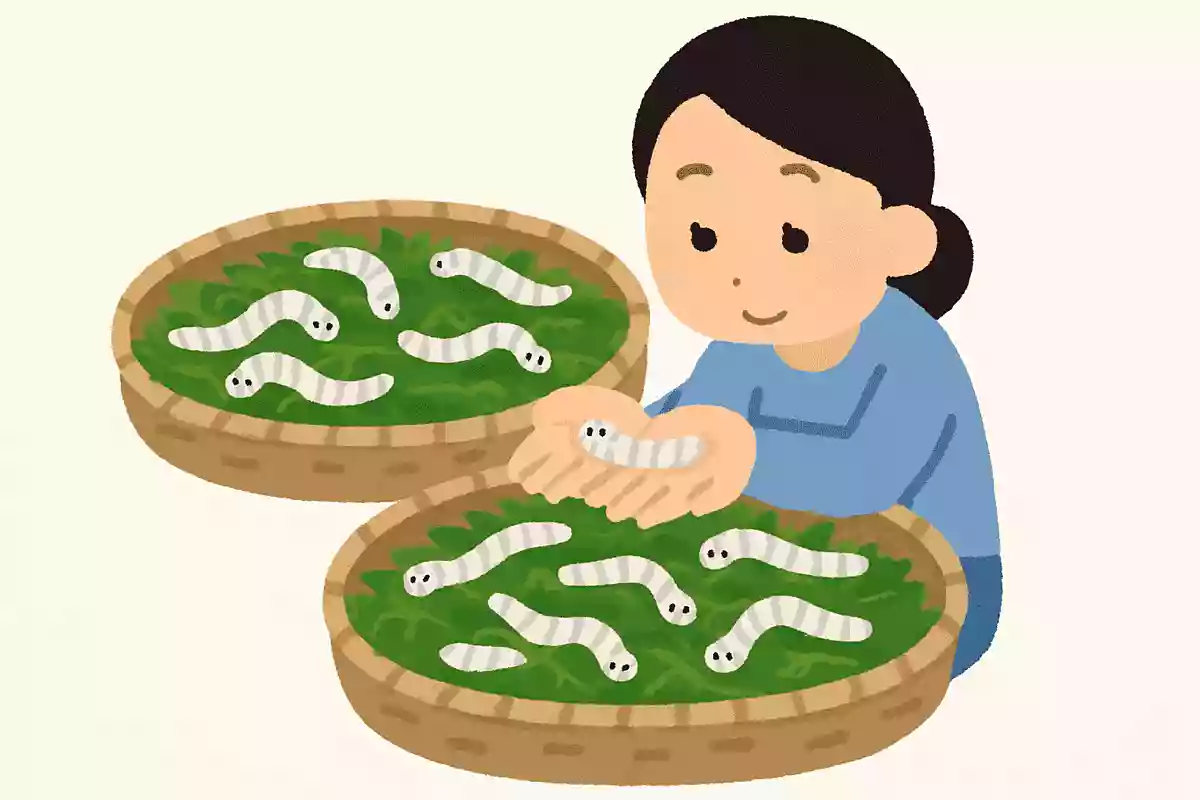
The silkworm is a type of moth and is known as an insect essential for silk production.
But did you know that silkworms cannot survive without human care? In fact, the silkworm is a domesticated form of the wild moth Bombyx mandarina, bred for silk production.
As a result, it has completely lost the ability to return to the wild; although it has wings, it cannot even fly.
It’s said that even if released into the wild, it would soon die.
Besides being unable to fly, there are many other reasons it can’t survive in nature, such as being unable to find food and having a conspicuous white body color that makes it easy prey.

The mustard leaf beetle reproduces and lays eggs without mating.
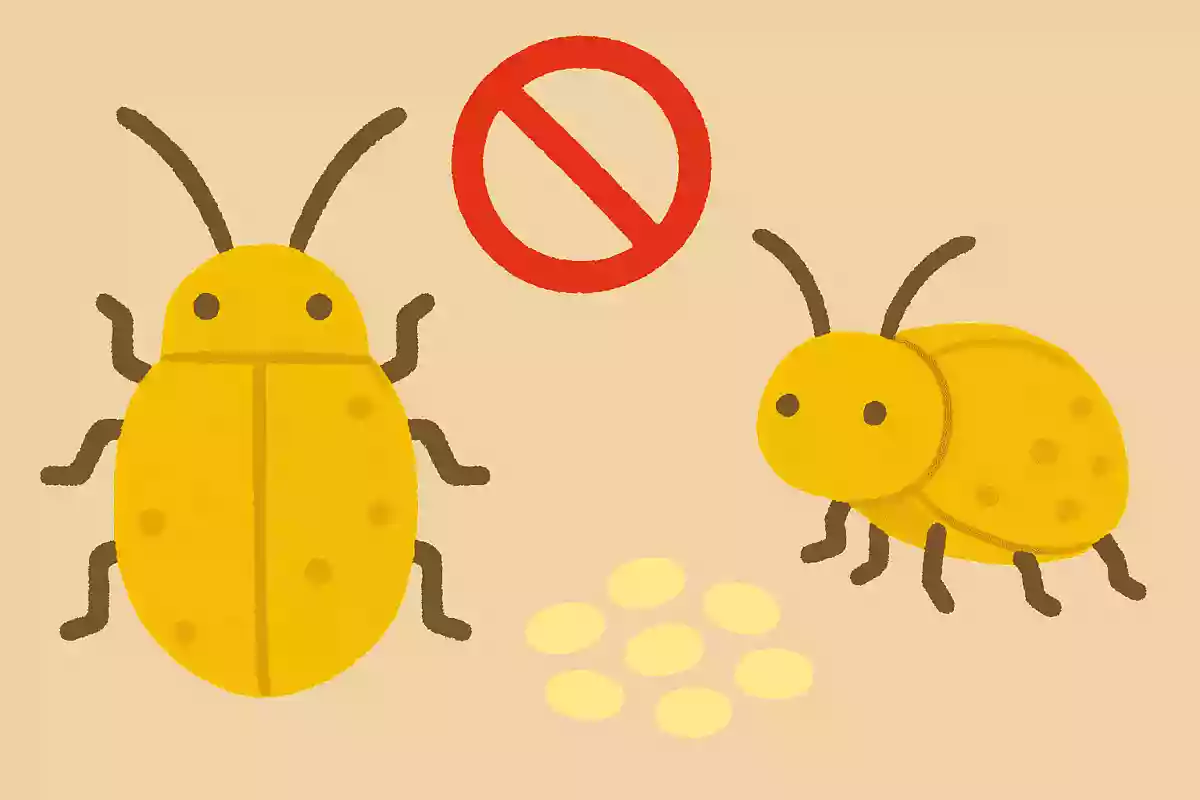
The gilt leaf beetle, known as Kiberi-hamushi, is recognized as a specialty of Hyogo Prefecture in Japan.
It’s an insect with a round body and blue wings, and its beauty has earned it the nickname “walking jewel.” Although it’s actually a non-native species, it is said to have little impact on native species.
While its beautiful wings are certainly a hallmark, its most notable characteristic is its ability to reproduce by parthenogenesis.
The gilt leaf beetle can become pregnant and lay eggs without mating.
As a result, there are no males—only females exist.
Water striders fly in the sky.
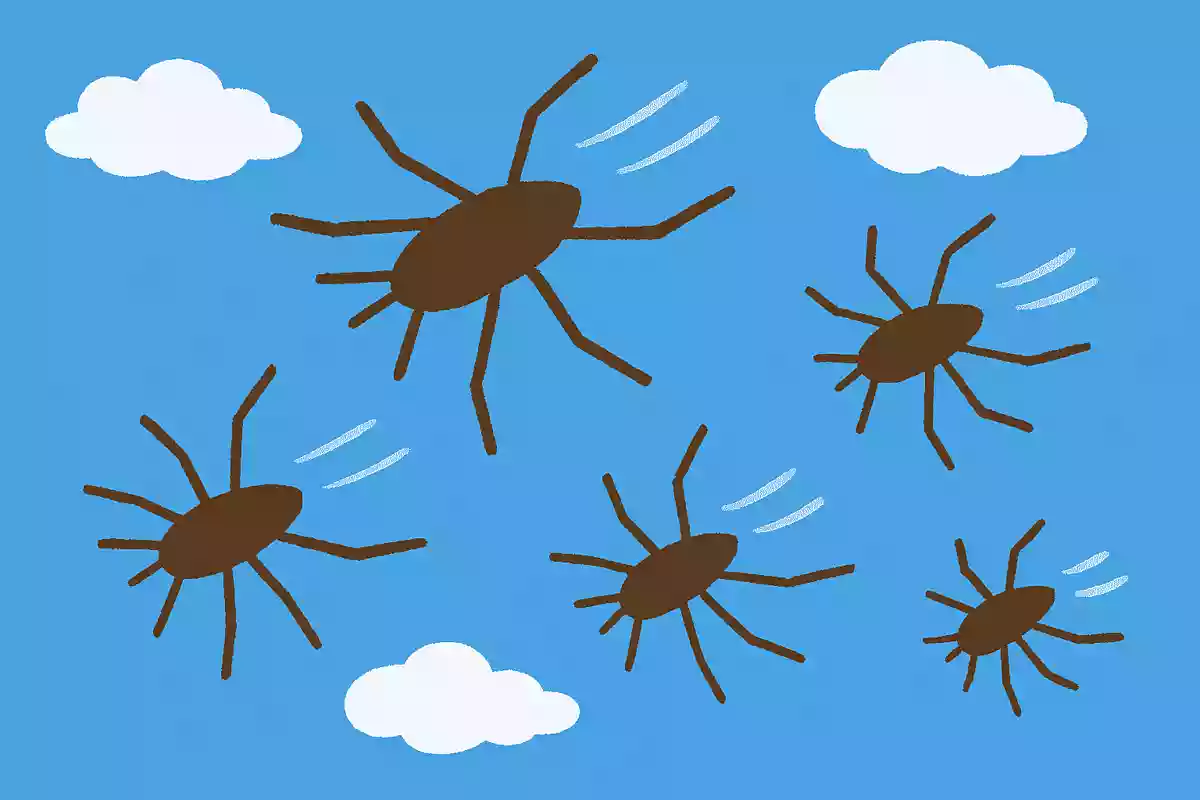
Water striders, which you often see on ponds and puddles, seem to swim as if they’re walking on the water’s surface.
They secrete oil from their bodies and apply it to the tips of their legs to stay afloat, but did you know they can actually fly too? You don’t see it often, but adult water striders do have wings.
They usually don’t fly and only take to the air when they feel threatened.
It does make you wonder where the water striders in a puddle came from, doesn’t it? They might have flown in from somewhere else.
Insect trivia roundup: fun facts you’ll want to share (11–20)
Flies have sensory neurons in their legs that can taste.
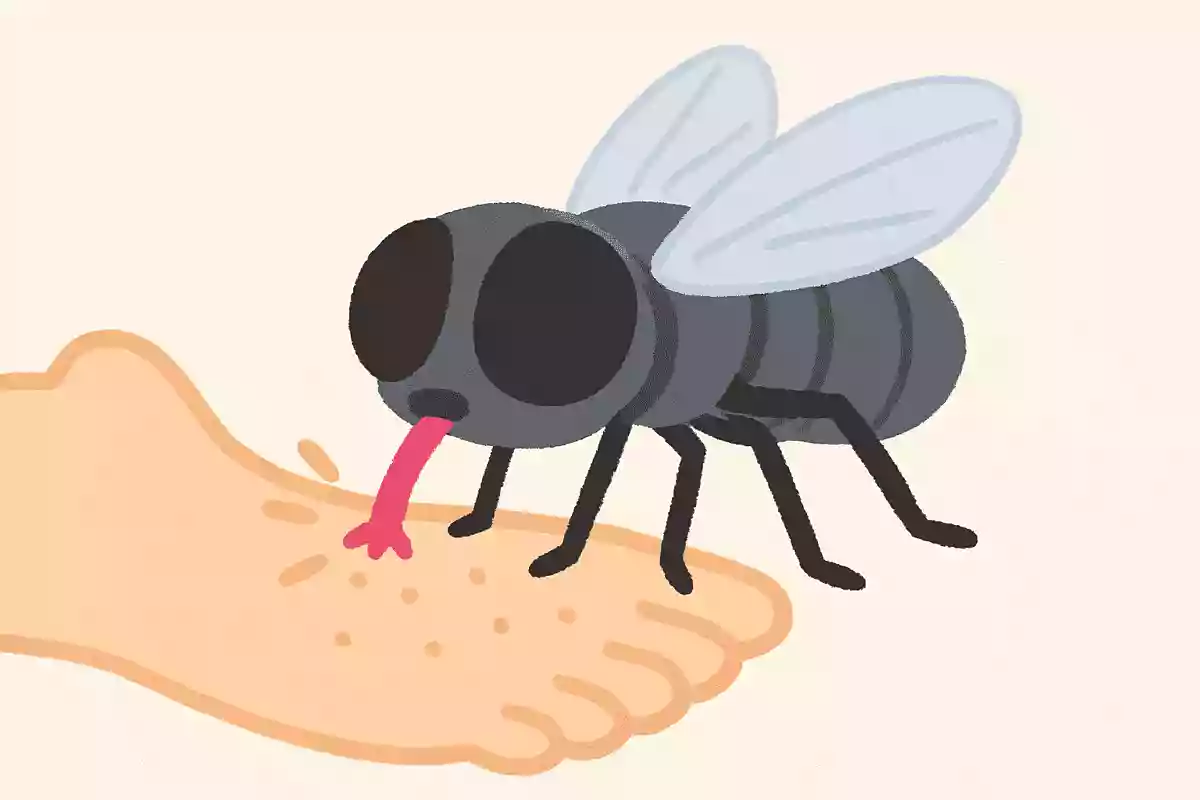
Humans put food in their mouths to taste it.
The tongue has organs called taste buds that detect flavors.
Flies, however, have gustatory nerve cells in their feet.
By landing on objects with their feet, they can determine whether something is food.
It’s said that the frequent foot-rubbing motion flies make is to keep these organs clean.
They may be keeping them clean to be ready for finding food.
Incidentally, it seems their feet can also secrete liquid, which helps them land on all kinds of surfaces.
“Ladybug,” the English word for tentōmushi, means “Mary’s bug” (i.e., the Virgin Mary’s bug).
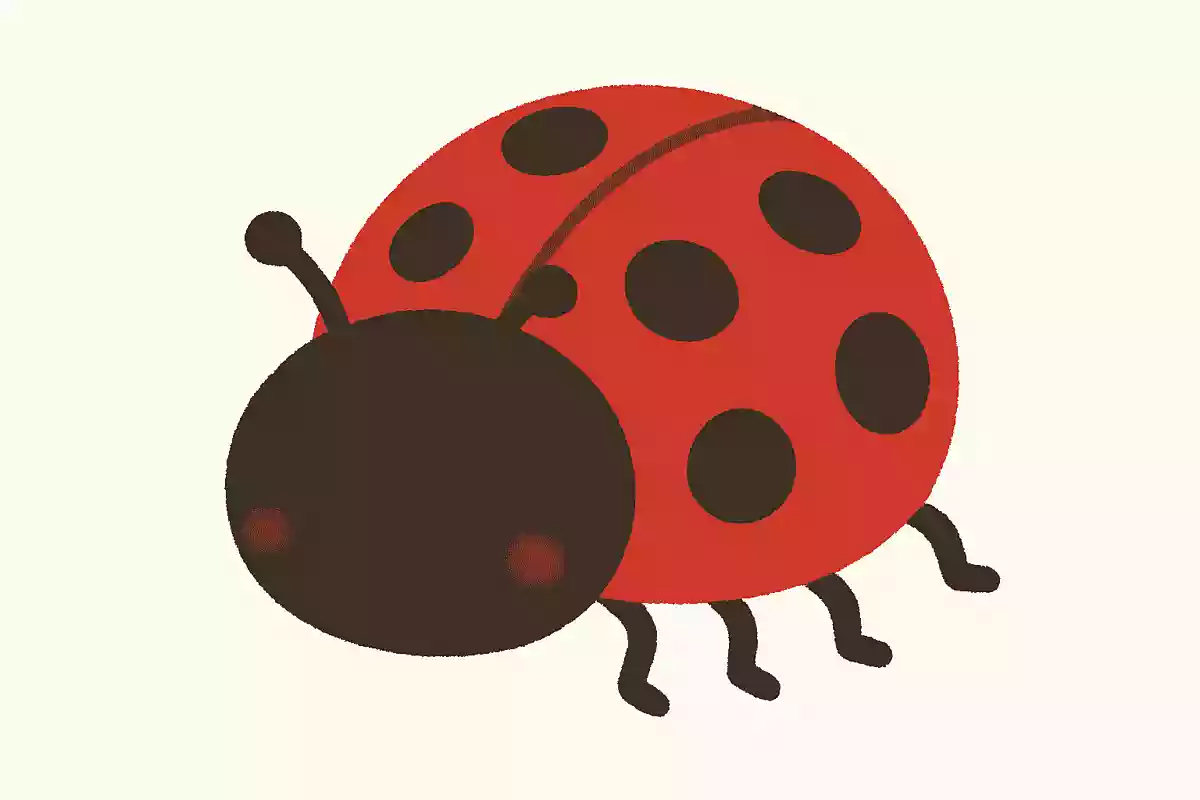
Ladybugs are insects that are popular with children, and you often see them flying around in spring.
Because they eat aphids, they’re also known as beneficial insects.
In English, ladybug is written “ladybug,” which carries the meaning “Our Lady’s bug.” It’s said to come from the fact that the Virgin Mary is often depicted wearing a red cloak.
Ladybugs are popular insects in Japan, and they’re also cherished in Western countries as symbols of good luck.
Male mantises can sometimes be eaten by the female during mating.
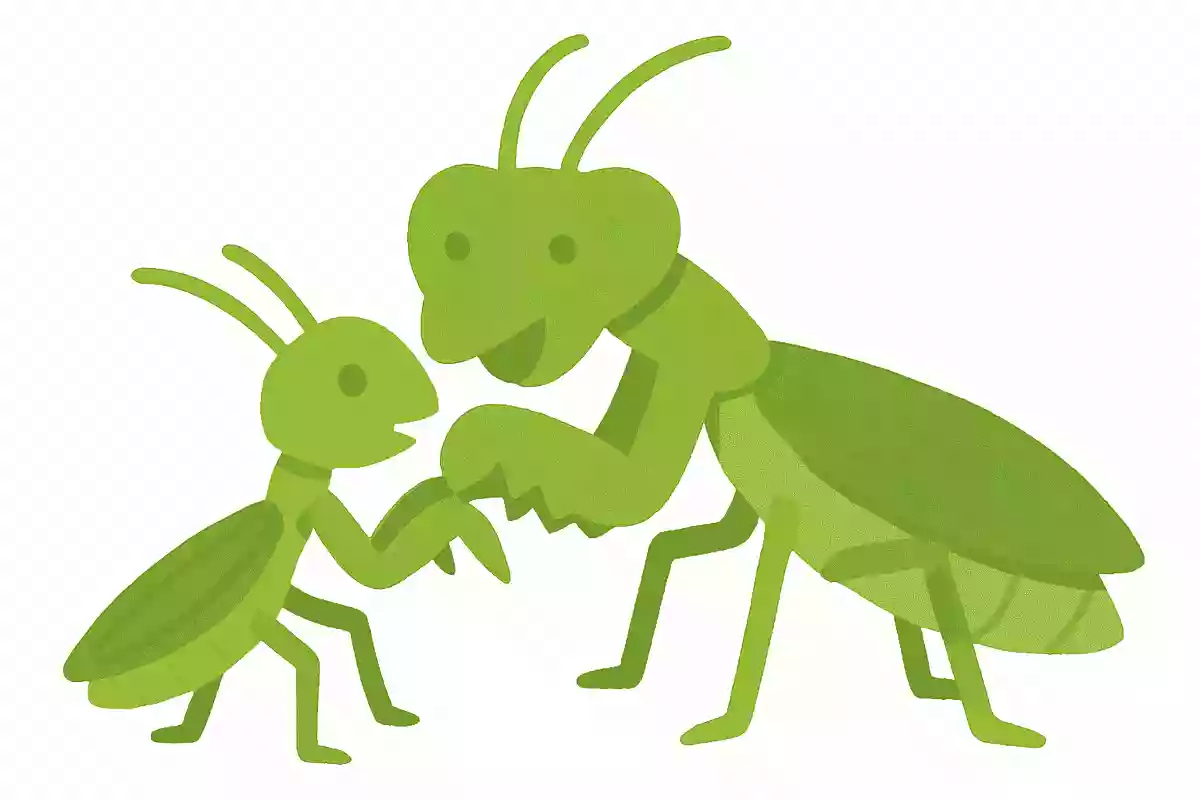
Female mantises are known for eating their male partners during mating.
To humans, this may seem like a terrifying habit, but in fact, eating the male plays an important role in reproduction.
Research has shown that females who consume the male after mating lay more eggs than those who do not.
In other words, cannibalism is necessary to leave more offspring.
Incidentally, when the female eats the male, she is said to start with the head.
Neutral detergent is effective for removing the smell of stink bugs.
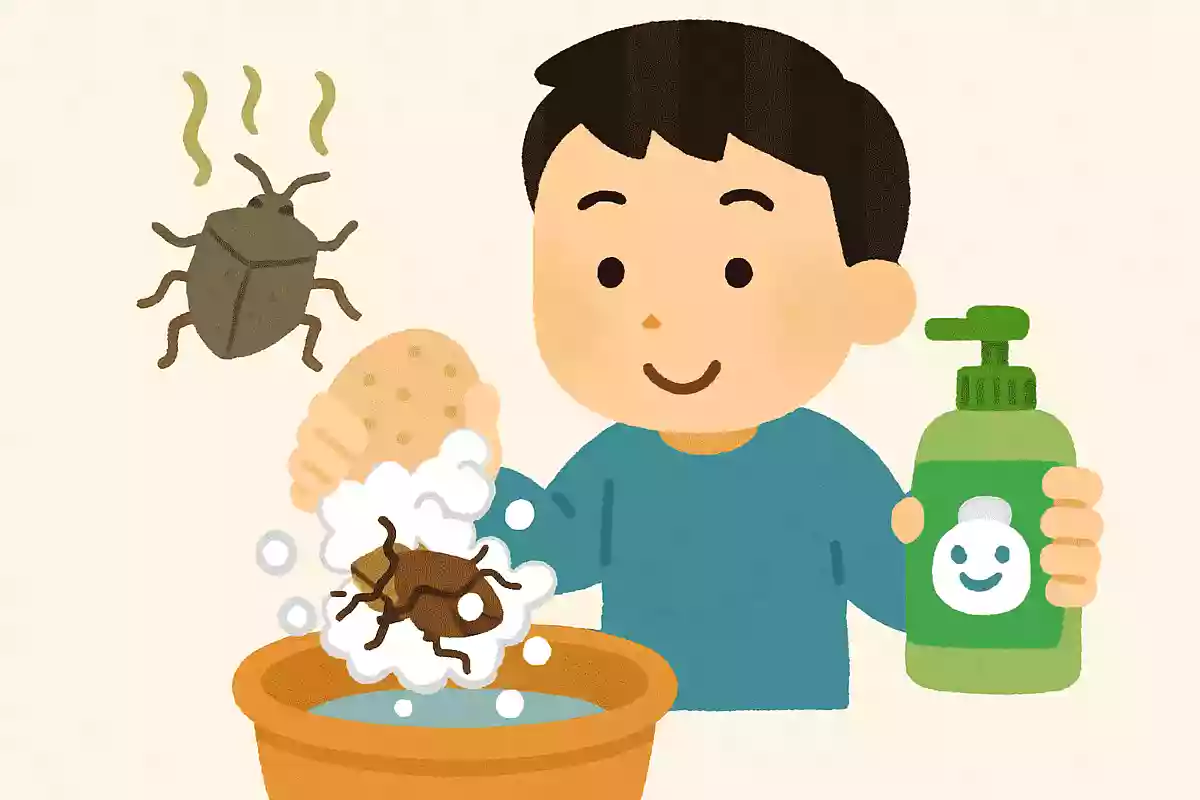
When it comes to stink bugs, many people probably shy away because of their smell.
Even kids say, “I don’t like stink bugs because they stink.” When stink bugs feel threatened, they release a pungent odor to drive away predators.
They also have a habit of being attracted to white, so they land on laundry.
That can make your clothes smell, which is a real hassle.
To remove the stink bug odor, it’s said that using a neutral detergent works well.
Since the smell is similar to oily grime, a neutral detergent is effective.