

![[Snake Quiz] Surprisingly fascinating once you know! Snake ecology & characteristics](https://media.ragnet.co.jp/img/1200__png__https://www.ragnet.co.jp/files/2025/05/0fc31eca00c308ff5faf3de0a26affd9.webp)
[Snake Quiz] Surprisingly fascinating once you know! Snake ecology & characteristics

Snakes have often been worshiped as messengers of the gods.
You don’t see them much in everyday life, but some people keep them as pets.
Some find their big, bright eyes and slithering movements cute, while others are put off by their distinctive scales—so they can be a creature people either love or dislike.
In this article, we’re introducing a quiz about snakes!
Because they’re rarely seen, many people may not know much about them.
We’ve turned snake biology and characteristics into a quiz, so give it a try and deepen your knowledge of snakes!
[Snake Quiz] Surprisingly Fun to Learn! Snake Ecology & Features (1–10)
Which part does a snake use in place of legs?
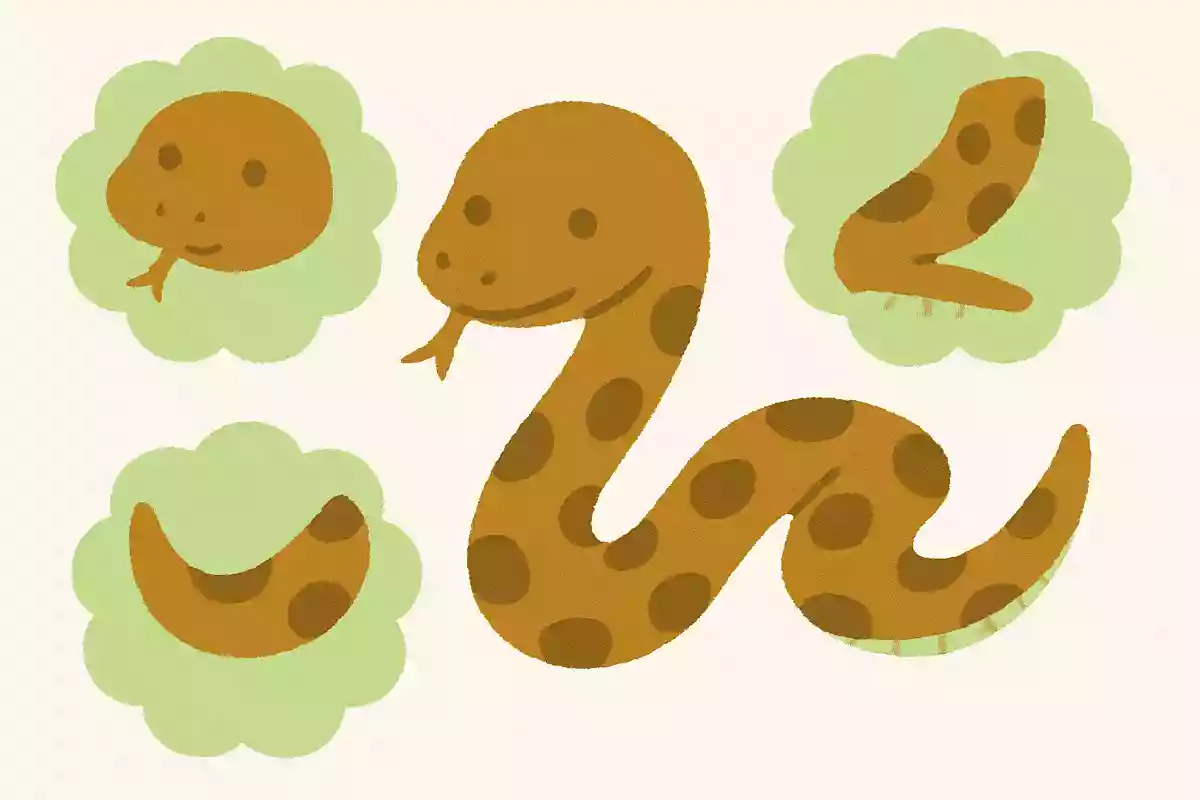
Snakes are creatures that move using their long, elongated bodies, and many people may wonder how they move with no legs.
To propel that long body forward, a certain part acts in place of legs.
What is that part? Here’s a hint: humans have it too.
If you think about the common features on the inside despite the different outward appearances, you might figure it out.
The answer is the ribs.
Muscles that move along with the ribs, together with the belly scales, provide traction and effectively serve as replacements for legs.

Snakes sleep with their eyes open. What could be the reason for that?
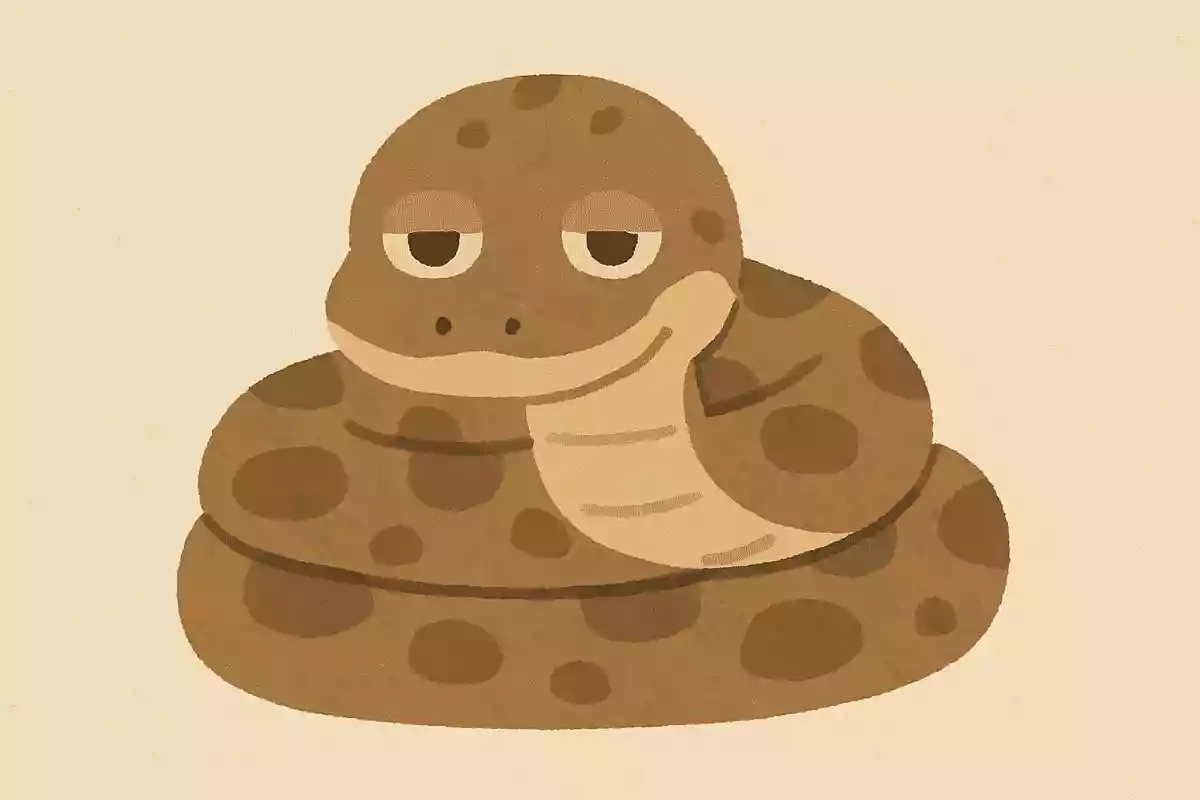
When we think about sleeping, the strong image is of closing our eyes—but that’s just human common sense.
Snakes sleep with their eyes open.
You might wonder why they risk seeing unnecessary things or getting debris in their eyes.
The key is to remember they’re built differently from humans.
With that premise, the answer becomes clear: they don’t have eyelids.
Their eyeballs are covered by a transparent scale, and because their eyesight is poor, keeping their eyes open has little impact while they sleep.
Why do snakes shed their skin?

Among the characteristics of reptiles such as snakes is a life cycle in which they repeatedly shed their skin as they grow.
This molting, which occurs several times a year, happens for a reason and through a specific mechanism.
The reason is to replace damaged skin with new skin, and the mechanism involves the outer layer of the scales peeling away.
In snakes, the skin is continuous over the entire body, which is why the shed skin often comes off in one piece.
In the sense of discarding the old and renewing with the new, it might even seem to have something in common with humans.
What is the name of the snake with the strongest venom in Japan?
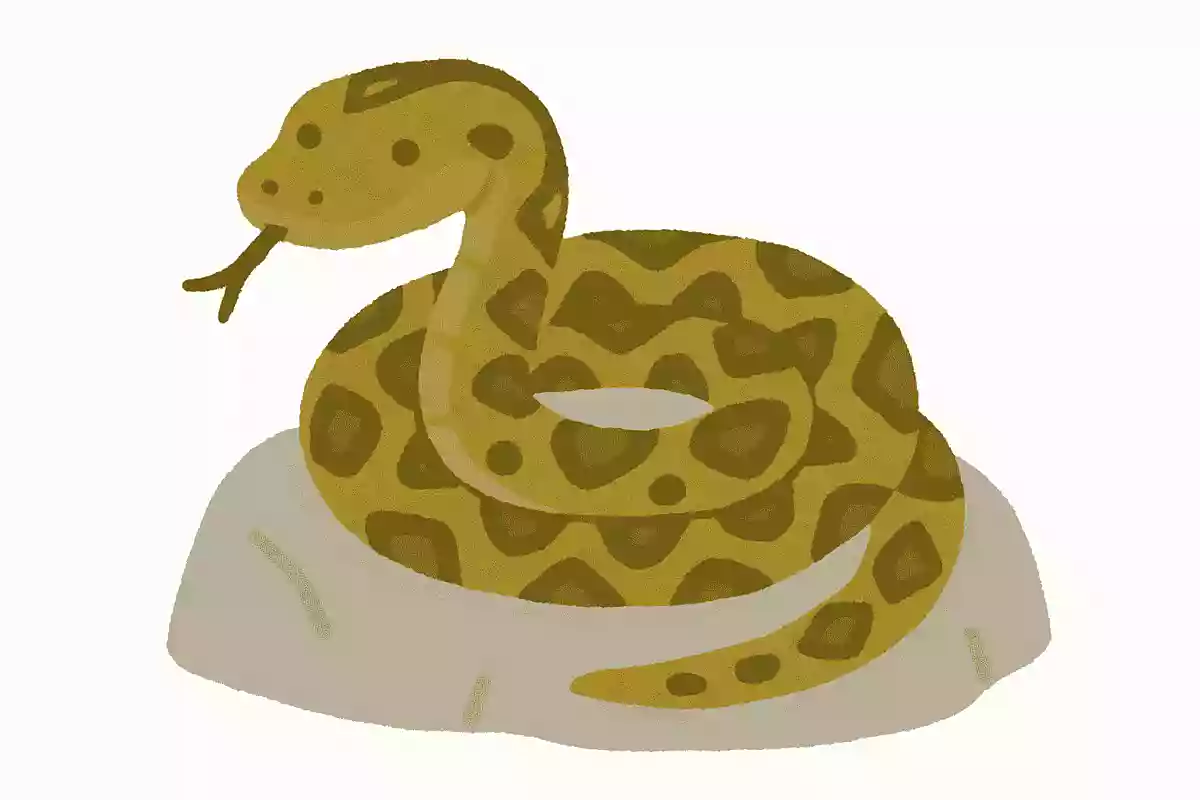
Many people have an image of snakes as dangerous, largely because some species are venomous.
Among those venomous species, which one has the strongest venom in Japan? Since only a few venomous snakes live in Japan, you might figure it out just by thinking of the familiar ones.
The answer is the tiger keelback (Yamakagashi).
It is an endemic species that has long inhabited Japan, but the frightening part is that it was once thought to be nonvenomous.
What do snakes stick out their tongues for?

When we think of a snake’s appearance, along with its sinuous body movements, the image of it flicking its tongue is also a striking point.
Some people might find that off-putting, but that tongue, which is constantly being flicked in and out, hides an essential function for the snake’s survival.
The reason they stick out their tongues is to read the scents in their surroundings: they catch odor particles with the tongue, carry them to an organ inside the mouth, and there they assess the situation around them.
Because their field of vision is narrow and their hearing is underdeveloped, this tongue-flicking method of scent detection is considered indispensable for their survival.
What is the ability that snakes, which are said to be cold-blooded animals, do not have?

Reptiles such as snakes and amphibians are classified as cold-blooded animals, while mammals like humans and birds are known as warm-blooded.
This time, let’s focus on cold-blooded animals, which differ from humans, and explore what kind of ecology they have.
A helpful point is that we often encounter the term as the opposite of warm-blooded, so thinking from the perspective of their “opposite” can make it easier to understand.
The key lies in thermoregulation: because their body temperature changes with the surrounding temperature, they exhibit behaviors aimed at seeking and moving to environments with appropriate temperatures.
Among “eyes,” “nose,” “mouth,” and “ears,” which one do snakes not have?

Because humans use the five senses as a matter of course in everyday life, it’s hard to grasp what it would be like to lack any one of them.
When thinking about what snakes don’t have, it seems easier to arrive at the answer if we don’t map things directly onto humans.
The answer is ears: snakes do not have the function known as the outer ear, which catches surrounding sounds through an opening and transmits them to the eardrum.
However, they do have the ability to perceive sound.
Using an inner ear buried within the body, they pick up surrounding sounds through a mechanism that transmits vibrations that strike the body’s surface.