

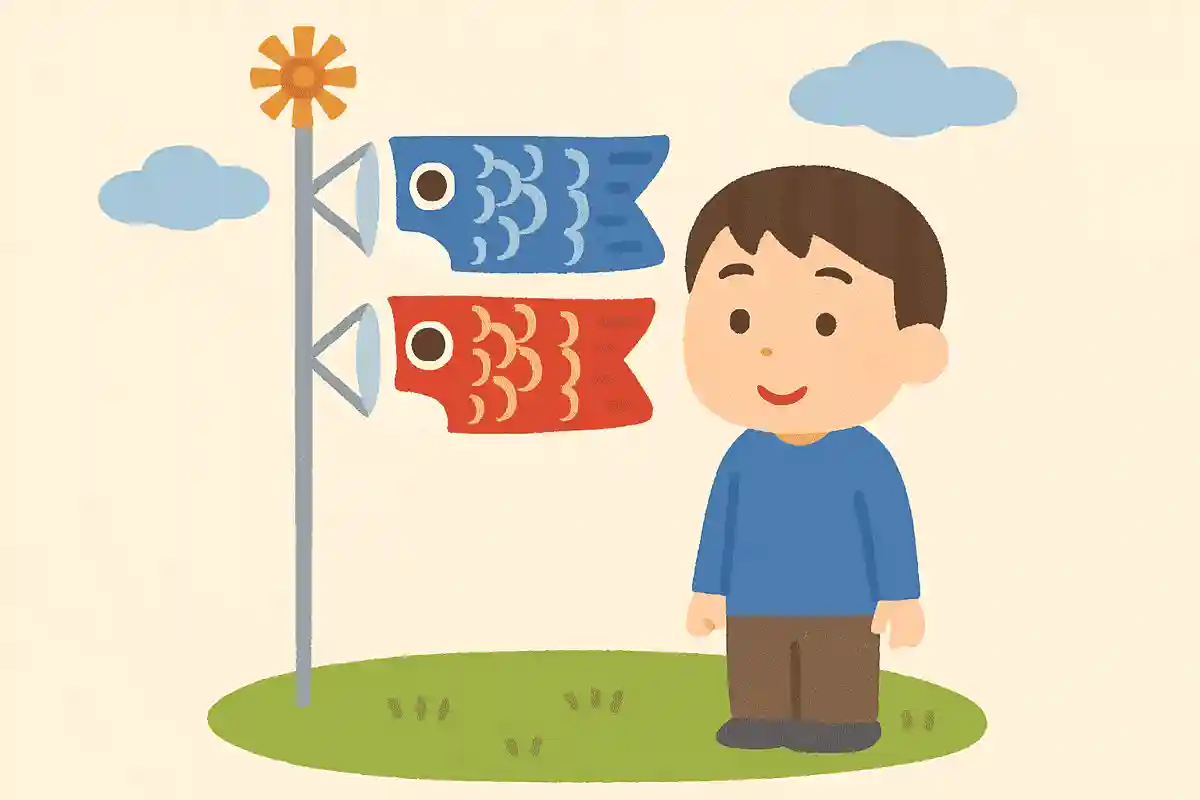
Little-Known Trivia and Fun Facts About Koinobori (Carp Streamers)

As Children’s Day on May 5 approaches, we see carp streamers (koinobori) more and more often here and there.
Traditionally, many families have the custom of displaying them when a baby boy is born.
These days, however, due to housing conditions and the like, we don’t see many large ones anymore, but there are more compact versions you can display indoors and designs with a stronger decorative flair.
In this article, we’ll share some trivia and fun facts related to koinobori.
You might find yourself thinking, “Come to think of it, I didn’t know that…”—they’re great conversation starters once you do.
If you have children, try talking together as a family about the roots of koinobori.
[Surprisingly Little-Known] Trivia and Fun Facts About Koinobori (Carp Streamers) (1–10)
Unlike Hina dolls, there isn’t a strictly defined period for displaying Koinobori.
It’s said that if you keep hina dolls on display past March 3, it will “delay your marriage.” This is considered a superstition and also part of emotional education, but many people may worry and put them away quickly.
At the very least, it’s common to put them away within two weeks after the Doll Festival.
However, there’s no set timing for taking down koi nobori carp streamers.
They’re often put away by mid-May, but in some regions they remain up even into June.
Perhaps it’s because men don’t have the concept of a ‘marriageable age’… How curious!

The rotating ball at the tip of the koinobori and the arrow wheel (yaguruma) not only serve as talismans to ward off evil but also function as a way to appeal to the gods.
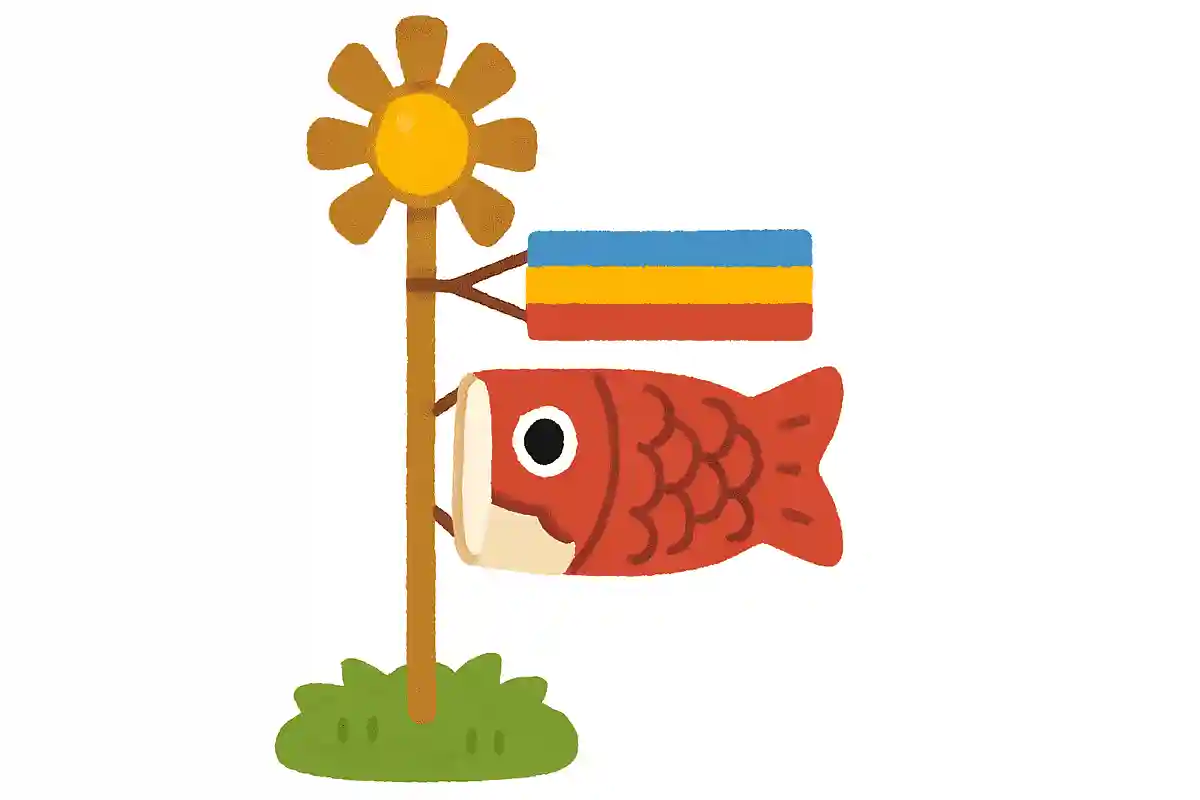
Some of you may have wondered what the arrow-wheel at the very top of the koi-nobori pole is for.
The arrow feathers used in the wheel symbolize hitting the mark of happiness and warding off evil, but in fact it has another role.
It’s to appeal to the gods, saying, “A baby boy has been born!” When you spin the arrow-wheel, it makes a sound, right? That sound is said to serve as a notice to the gods.
Koi-nobori come with various attachments, and each one actually has a clear meaning.
The five-colored streamers on koi-shaped windsocks are meant to ward off evil.
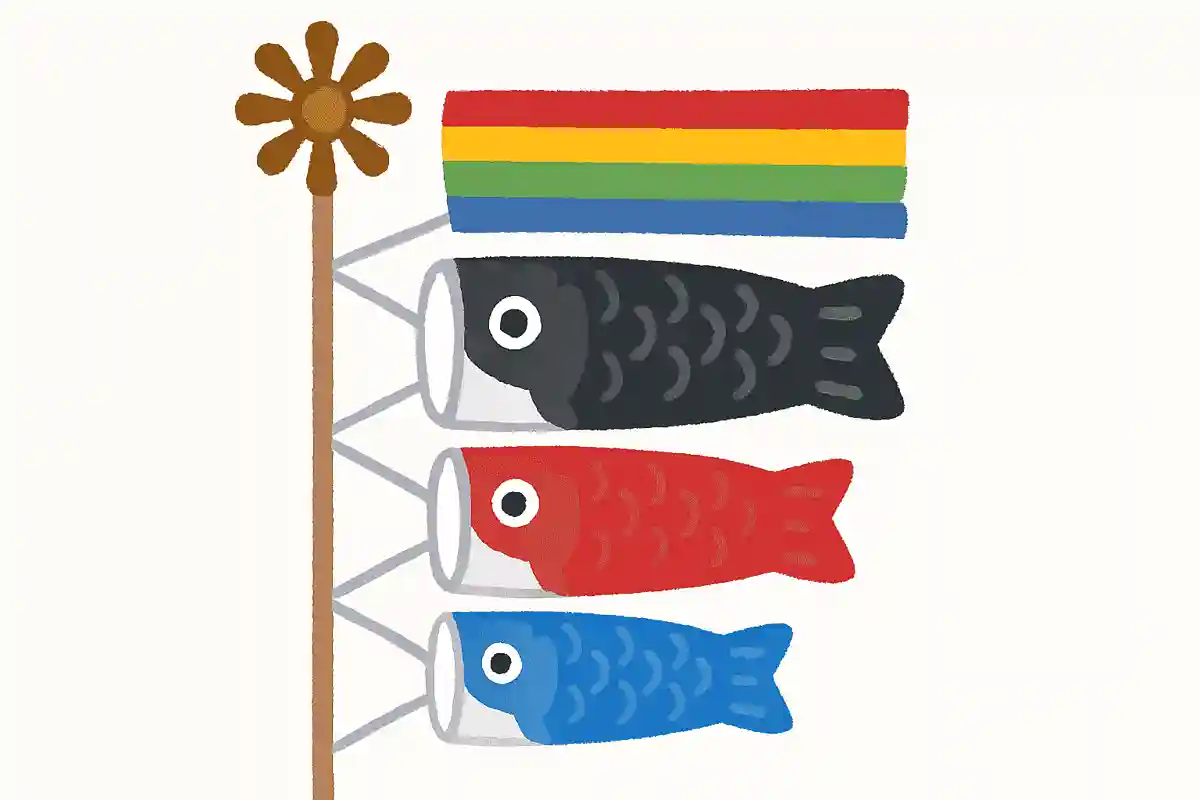
The streamers displayed together with carp streamers are often in five colors.
Green and purple are sometimes used, but it’s usually blue, red, yellow, white, and black.
This comes from the Chinese theory of the Five Elements (wood, fire, earth, metal, and water), which holds that things in the natural world are made up of these five elements.
These five elements are said to ward off evil, and when represented as colors they become blue, red, yellow, white, and black.
That’s why these five colors came to be used for the carp streamer streamers.
Before the 1964 Tokyo Olympics, koinobori (carp streamers) were in two colors; after the Olympics, they became colorful.
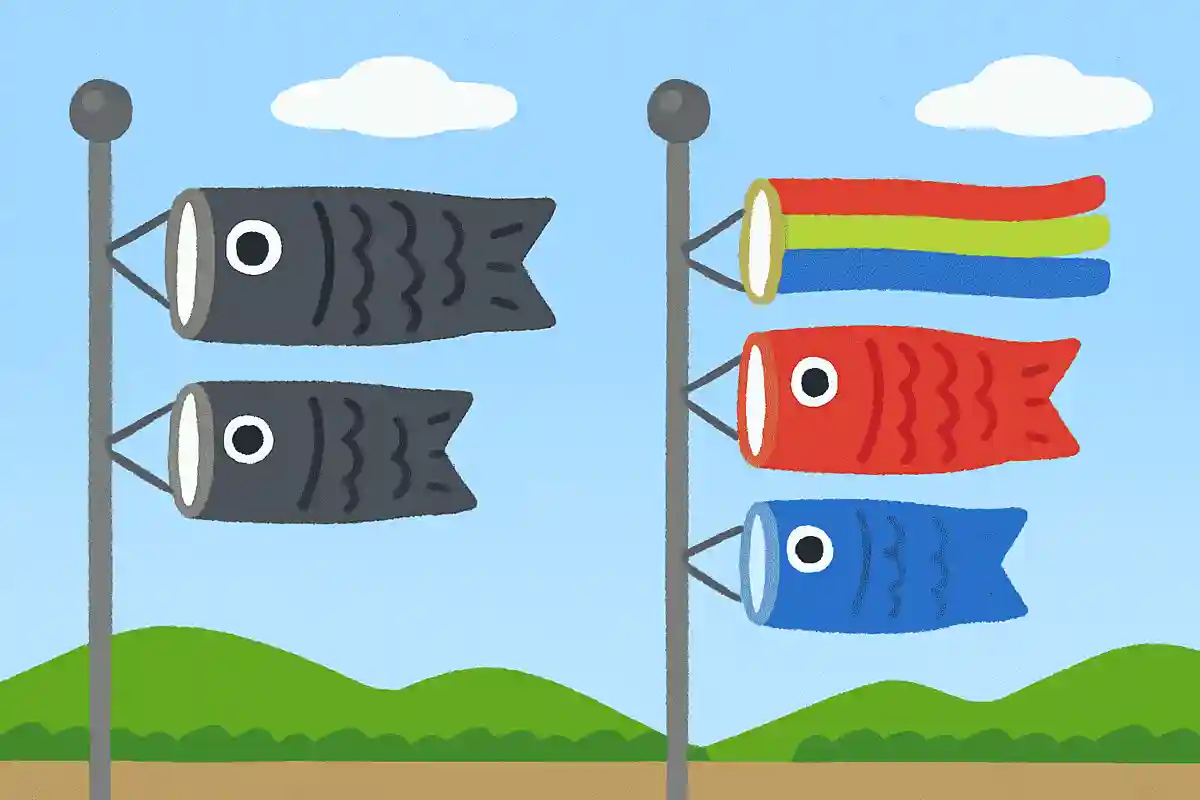
It is said that the custom of displaying koinobori in Japan began in the Edo period.
At that time, people displayed only a single black magoi (common carp), but after the Meiji period it came to be displayed as a set with a red higoi.
When the Tokyo Olympics began in 1964, the koinobori became colorful like they are today, inspired by the five-ring Olympic emblem.
Come to think of it, the lyrics of the famous children’s song “Koinobori” mention only the magoi and higoi.
Although the appearance of koinobori has changed over the ages, the wish for children to grow up strong and healthy remains the same as ever.
In the 2020s, only about 30% of households with boys display koi-nobori.
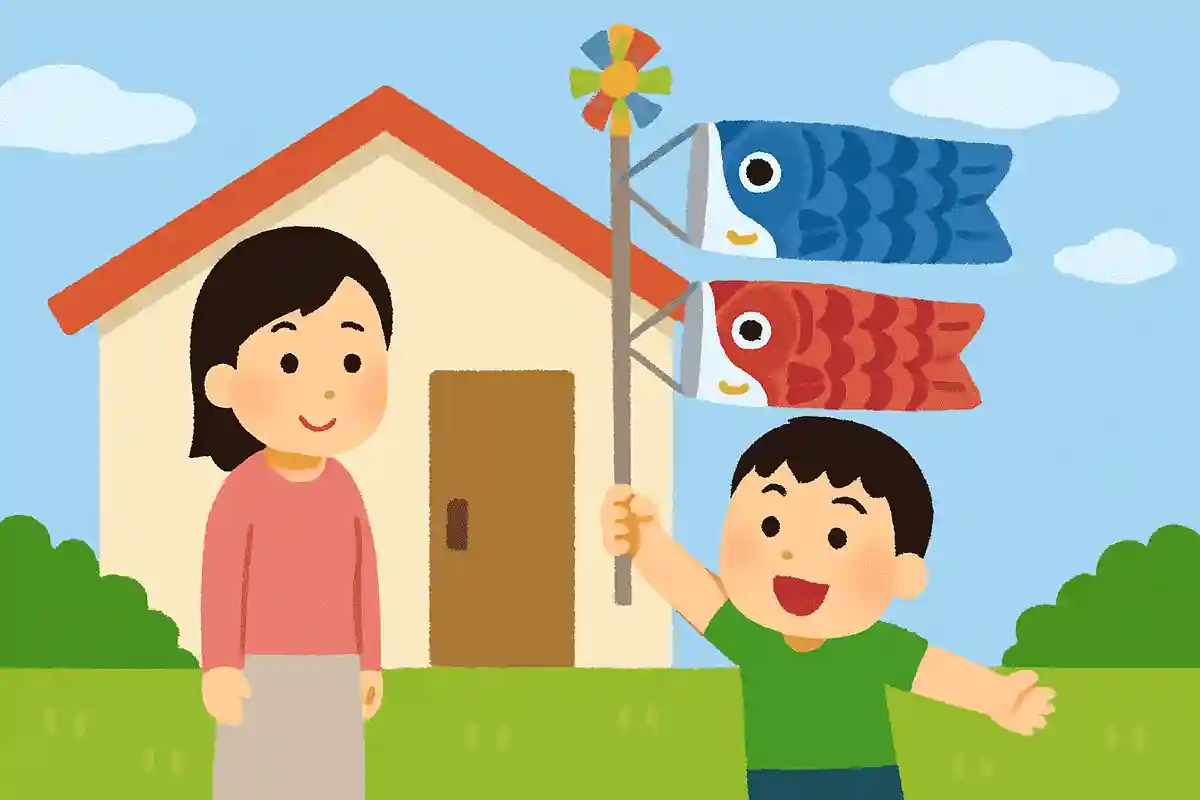
In the past, nearly every household with boys displayed koi-nobori (carp streamers), but these days it’s said that only about 30% of families put them up.
Behind this change are factors like the rise in apartment living and an increasing number of condominium rules that prohibit hanging koi-nobori on balconies to preserve the building’s appearance.
That said, indoor koi-nobori seem to be popular, so while you may not see them outside as often, there are surely families who display them properly inside their homes.
Since koi-nobori express the wish for children to grow up healthy and strong, I do hope people will continue to display them.
The history of koinobori in Japan dates back to the Edo period and originates from the banners used by samurai when heading to battle.
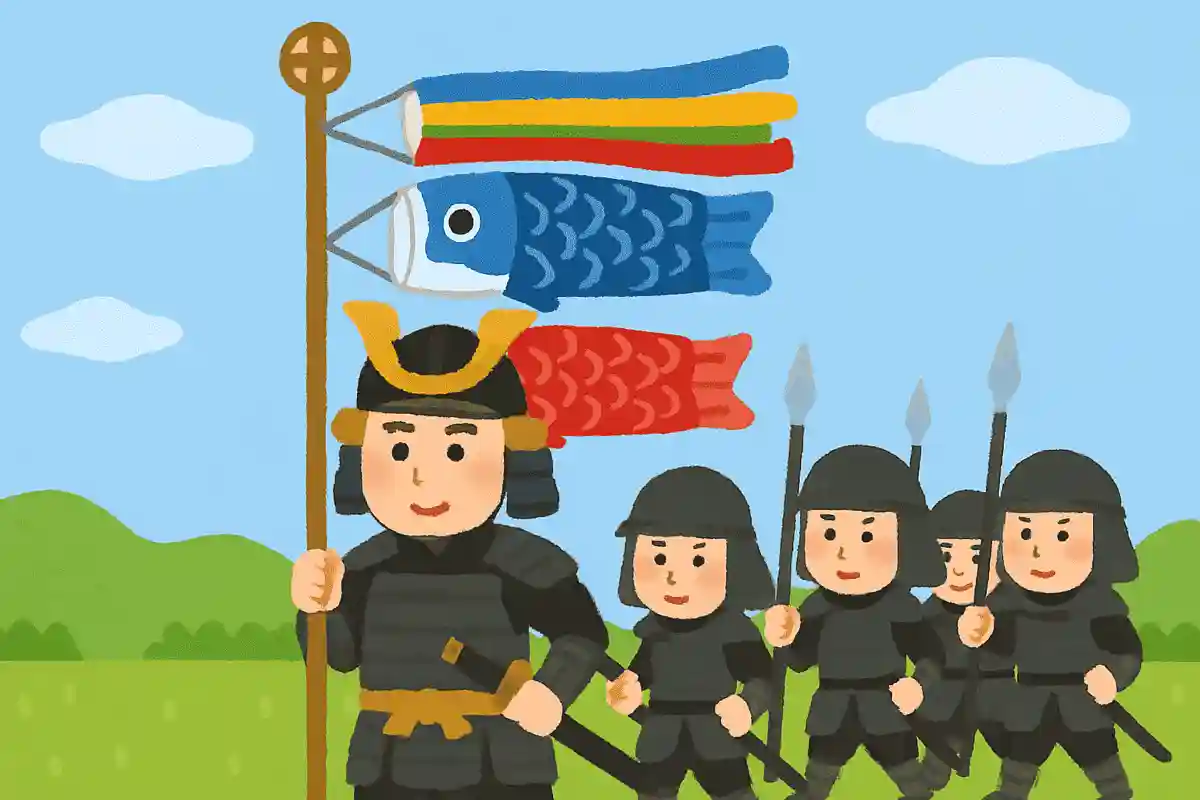
In Japan today, we decorate for Boys’ Day (Tango no Sekku) with carp streamers and May dolls.
However, it’s said that in the past, people displayed a different kind of banner.
These were called musha-nobori (warrior banners) and are said to have originated from sashimono, the personal flags worn by samurai during the Warring States period to indicate their presence and affiliation in battle.
There was also a custom of displaying them for Tango no Sekku, and commoners began to imitate the practice.
While family crests were depicted on sashimono, the imitated versions used by commoners featured warriors, hence the name musha-nobori.
It was also common to depict carp swimming up a waterfall—the Chinese legendary symbol of rising in the world.
From there, the decorations evolved into the carp-only displays we see today.

In the past, on koinobori (carp streamers), black represented the father and red represented the child, and there wasn’t a koinobori for the mother.
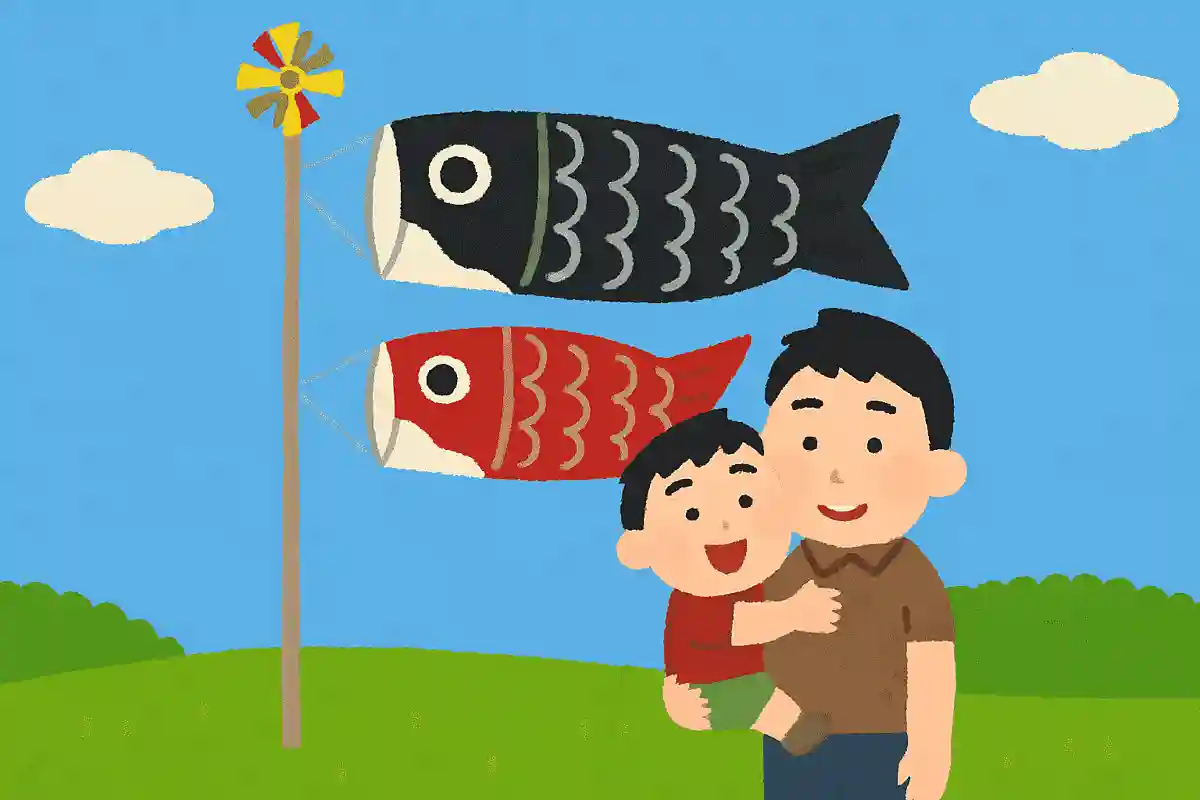
A typical set of koinobori features three carp: a black magoi, a red higoi, and a smaller carp.
The magoi represents the father, the higoi the mother, and the small carp the child.
However, in the past there were only the magoi and the higoi, and the higoi represented the child rather than the mother.
In the children’s song “Koinobori,” the lyrics also introduce the magoi as the father and the higoi as the child.
In fact, koinobori only became as numerous and colorful as they are today after the 1964 Tokyo Olympics.
Incidentally, during the Edo period, people displayed just a single magoi.