

Little-Known Trivia and Fun Facts About Koinobori (Carp Streamers)

As Children’s Day on May 5 approaches, we see carp streamers (koinobori) more and more often here and there.
Traditionally, many families have the custom of displaying them when a baby boy is born.
These days, however, due to housing conditions and the like, we don’t see many large ones anymore, but there are more compact versions you can display indoors and designs with a stronger decorative flair.
In this article, we’ll share some trivia and fun facts related to koinobori.
You might find yourself thinking, “Come to think of it, I didn’t know that…”—they’re great conversation starters once you do.
If you have children, try talking together as a family about the roots of koinobori.
- [For Kids] Fun Facts & Trivia Quiz about Koinobori (Carp Streamers)
- [For Seniors] Introducing trivia related to May!
- Rainy season trivia roundup: fun facts you'll want to share with someone
- Handmade ideas for Koinobori: easy projects using everyday materials
- A childcare quiz to enjoy on Children's Day! Learn about traditions and customs
- [For Kids] November Trivia Quiz & Fun Facts: Let’s Learn While Having Fun!
- Will you like May even more once you know? Fun May trivia elementary schoolers should know
- [Handmade] A collection of stylish DIY koinobori (carp streamer) ideas
- Lesser-known facts about Mother’s Day that might surprise you—tidbits you’ll want to share with someone
- Surprisingly, there’s a lot we don’t know? A quiz to learn trivia about May!
- Ideas for games and crafts to enjoy on Children’s Day: a roundup of fun activities
- Magic that gets kids excited on Children's Day: A collection of simple tricks
- Make your summer festival even more fun! Trivia quizzes and fun facts for kids
[Surprisingly Little-Known] Trivia & Fun Facts About Koinobori (Carp Streamers) (11–20)
The “magoi” and “higoi” mentioned in the children’s song Koinobori are the same species of carp, differing only in pigmentation.
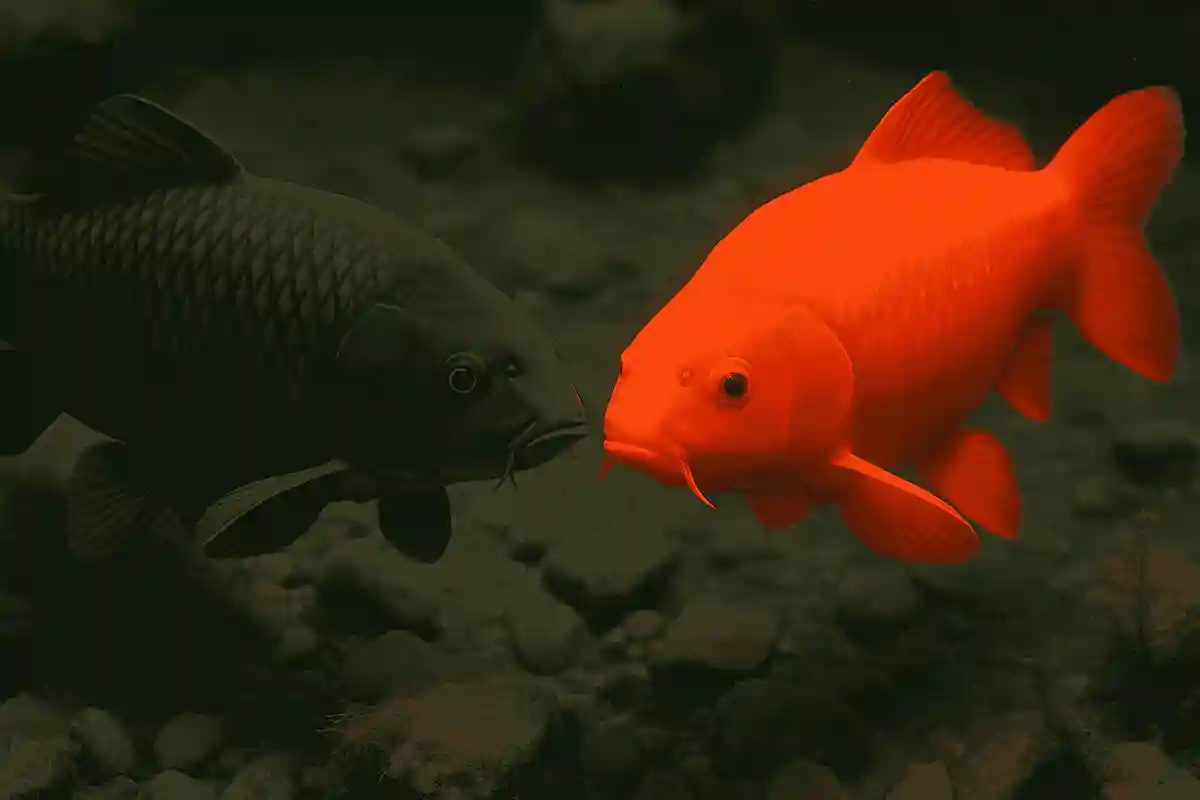
Magoi are black, while higoi are red, right? At first glance they seem like different kinds of carp, but they’re actually the same species! It’s said that higoi are a mutation of magoi.
Because they have less melanin pigment, their body color appears lighter.
Indeed, in the children’s song “Koinobori,” the magoi is the father and the higoi is the child.
It would be a bit surprising if parent and child were different species, wouldn’t it? By the way, the well-known nishikigoi (koi carp) were bred by selectively refining this higoi.

Number of carp streamers in the Edo period
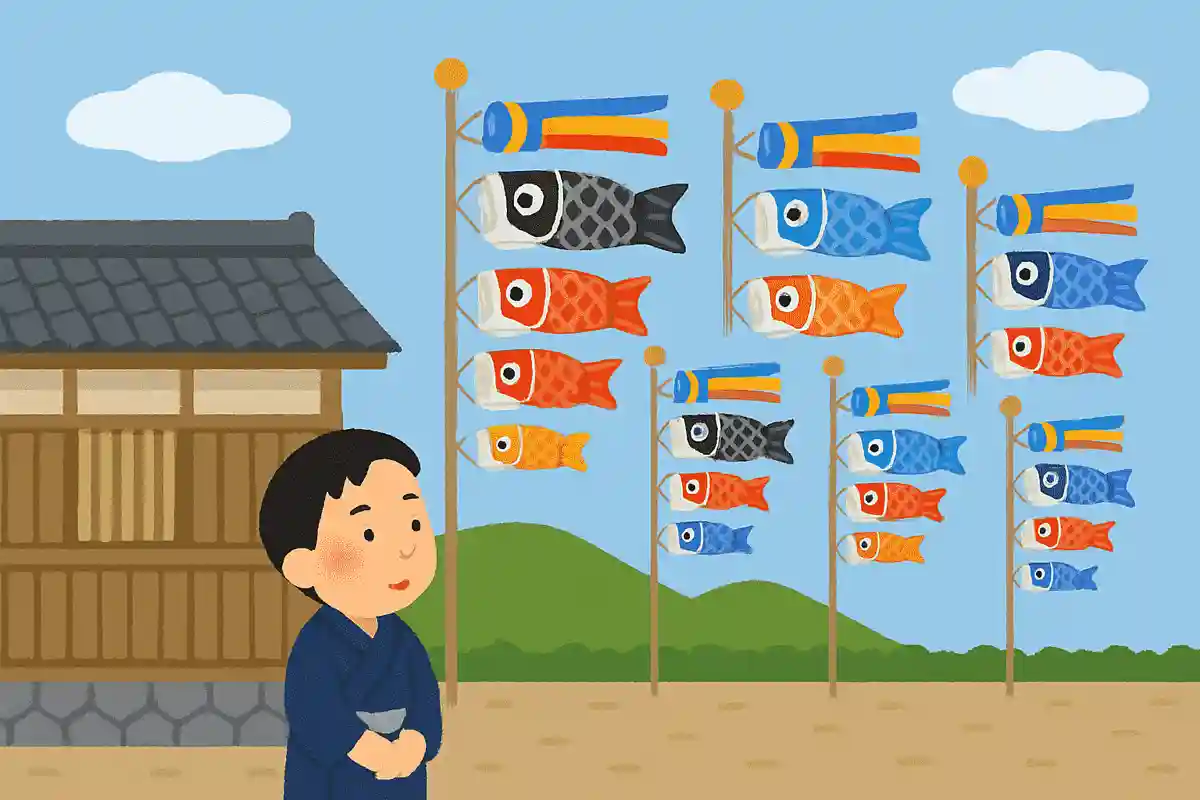
Koinobori, the decorations that symbolize Children’s Day, are often imagined as colorful carp swimming across the blue sky.
However, it’s said that in the Edo period they were a different shape from what we see today.
What were they like? Today, koinobori typically feature three to four carp, but in the early Meiji era there were two, and in the Edo period just one—the number is said to have gradually increased over time.
The single koinobori of the Edo period was a style called “one black carp display” (magoi ippiki kazari), and it was said to represent the child themselves.
Although the wishes for children have not changed, the simplicity of the display seems to make those wishes feel all the more powerful.

In conclusion
We’ve shared some trivia and fun facts about koinobori (carp streamers). It might have been a surprising revelation that it wasn’t samurai households but ordinary families that began flying carp streamers. Learning about the roots of koinobori, how they spread in modern times, and how they’ve changed might give you a different impression the next time you see them.