

Little-Known Trivia and Fun Facts About Koinobori (Carp Streamers)

As Children’s Day on May 5 approaches, we see carp streamers (koinobori) more and more often here and there.
Traditionally, many families have the custom of displaying them when a baby boy is born.
These days, however, due to housing conditions and the like, we don’t see many large ones anymore, but there are more compact versions you can display indoors and designs with a stronger decorative flair.
In this article, we’ll share some trivia and fun facts related to koinobori.
You might find yourself thinking, “Come to think of it, I didn’t know that…”—they’re great conversation starters once you do.
If you have children, try talking together as a family about the roots of koinobori.
- [For Kids] Fun Facts & Trivia Quiz about Koinobori (Carp Streamers)
- [For Seniors] Introducing trivia related to May!
- Rainy season trivia roundup: fun facts you'll want to share with someone
- Handmade ideas for Koinobori: easy projects using everyday materials
- A childcare quiz to enjoy on Children's Day! Learn about traditions and customs
- [For Kids] November Trivia Quiz & Fun Facts: Let’s Learn While Having Fun!
- Will you like May even more once you know? Fun May trivia elementary schoolers should know
- [Handmade] A collection of stylish DIY koinobori (carp streamer) ideas
- Lesser-known facts about Mother’s Day that might surprise you—tidbits you’ll want to share with someone
- Surprisingly, there’s a lot we don’t know? A quiz to learn trivia about May!
- Ideas for games and crafts to enjoy on Children’s Day: a roundup of fun activities
- Magic that gets kids excited on Children's Day: A collection of simple tricks
- Make your summer festival even more fun! Trivia quizzes and fun facts for kids
[Surprisingly Little-Known] Trivia and Fun Facts About Koinobori (Carp Streamers) (1–10)
The streamer displayed above carp streamers has a different meaning in carp streamer displays and in Tanabata.
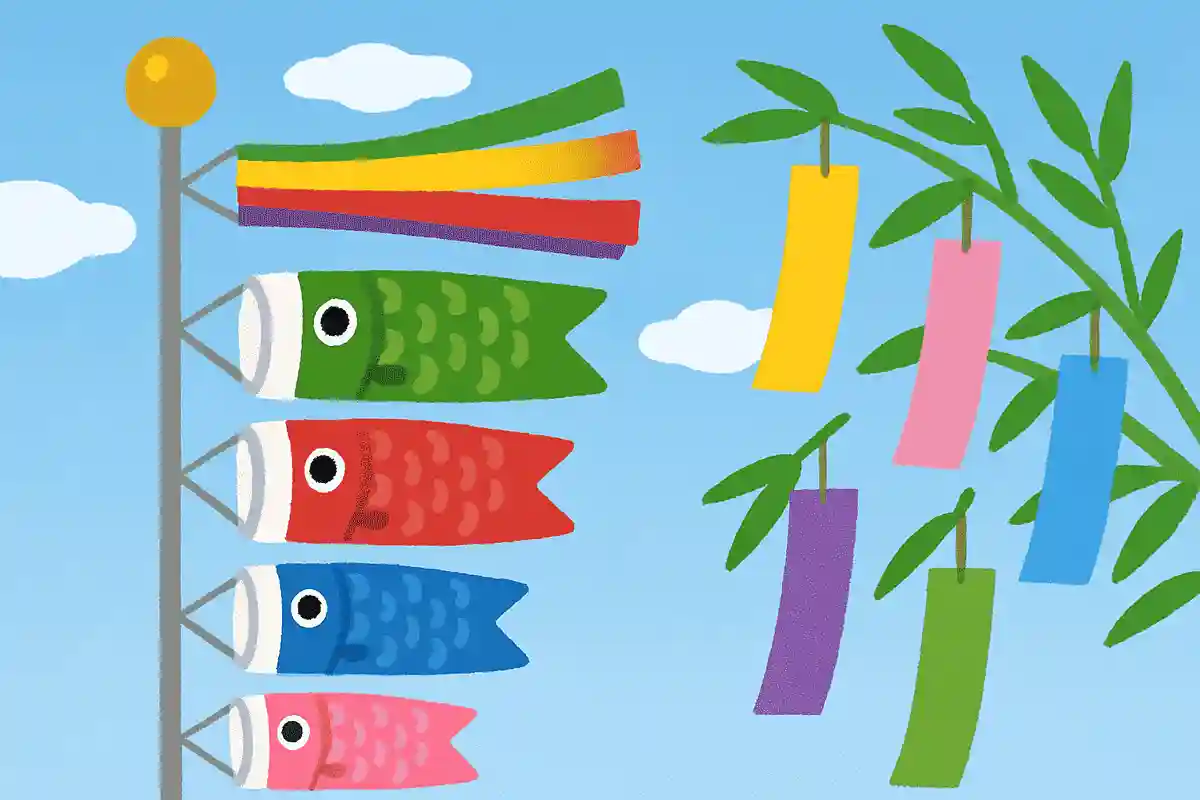
Did you know that although the streamers displayed with carp kites and the streamers used as a classic Tanabata decoration are both called “fukinagashi,” they actually have different meanings? The five-colored streamers on the carp kites are said to represent the four seasons plus the midsummer period, or the five elements—wood, fire, earth, metal, and water—and are believed to ward off evil.
Meanwhile, the Tanabata streamers represent the threads woven by Orihime and are displayed with the wish to improve one’s sewing and weaving skills.
It’s interesting that although they’re the same kind of streamer, their meanings and reasons for display are completely different.

In the mid-Edo period, it was not the samurai class but ordinary households that decorated with carp for the Boys’ Festival and popularized koinobori.
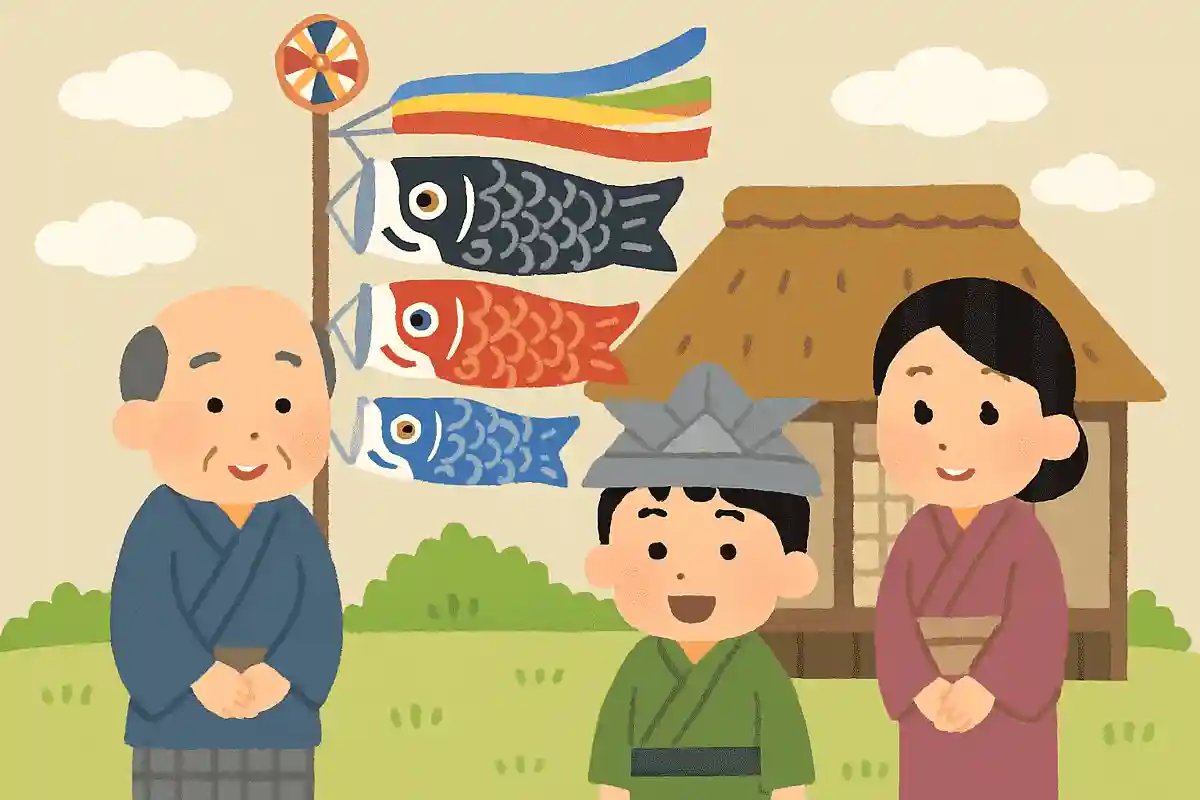
The custom of displaying banners on Boys’ Day (Tango no Sekku) began among the samurai class in the Edo period.
At that time, only banner poles with streamers and small flags were displayed, and there were no carp shapes.
As for how the carp shape came to be used, it seems to have started among ordinary households.
Commoners also had the custom of putting up banner poles, but townspeople were not allowed to display the same type of streamers as the samurai, so instead they began to display streamers in the shape of carp.
That practice spread and evolved into the form we see today.
Recently, pink carp streamers for girls have also been sold.
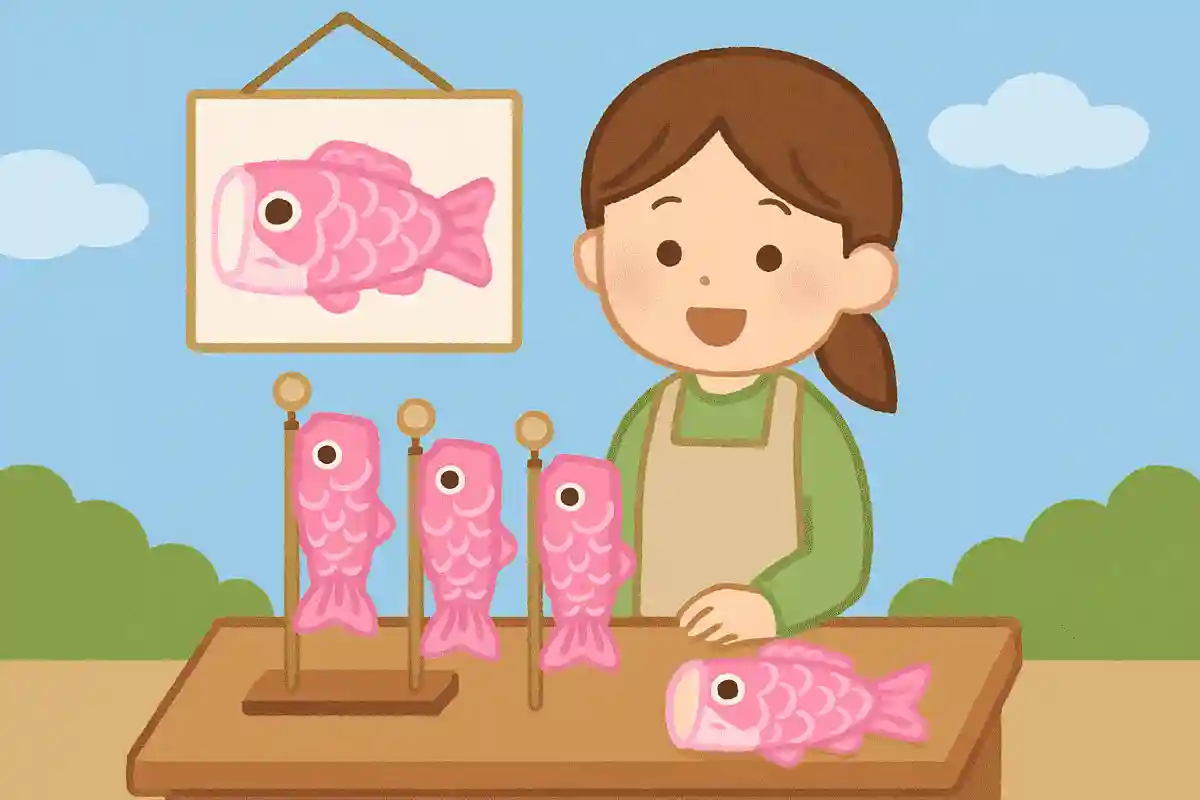
Koinobori are traditionally displayed on Children’s Day (Tango no Sekku) to celebrate boys’ births and wish for their healthy growth, but these days you can also find koinobori sold for girls.
There are many cute designs that girls would love, such as koinobori in pink, warm tones, or soft pastel colors.
Many people may still think “koinobori for boys, hina dolls for girls,” but perceptions of gender have changed a lot in recent years.
If your child wants one, by all means, display it for them.
[Surprisingly Little-Known] Trivia & Fun Facts About Koinobori (Carp Streamers) (11–20)
The roots of the carp streamers trace back to the Chinese legend of the Dragon Gate.
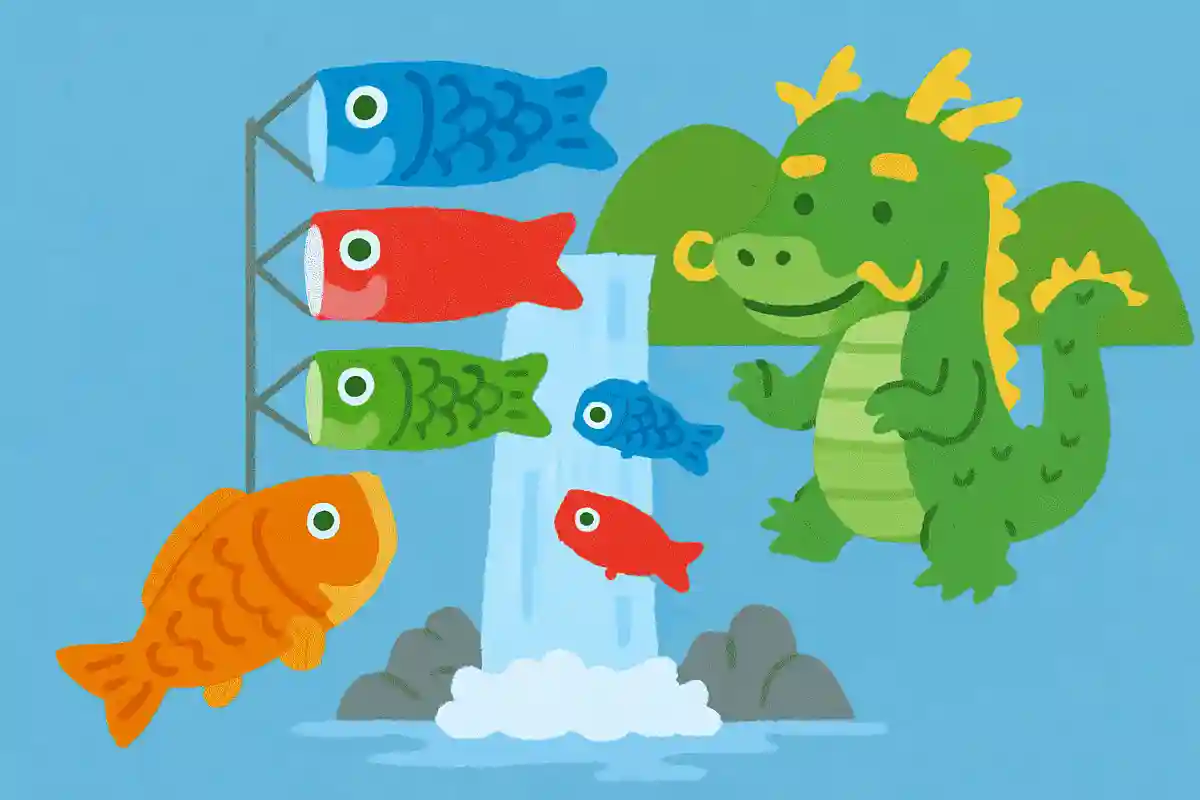
Carp streamers swimming majestically in the clear May sky.
Families with boys and even parks may display carp streamers, right? Do you know why we put up carp streamers? It actually originates from the Chinese legend of the Dragon Gate.
In the upper reaches of China’s Yellow River, there is a Dragon Gate where raging rapids overlap, and ordinary fish cannot ascend.
However, it was said that fish that managed to climb it to the end would gain spiritual power and become dragons.
From this, overcoming great hardships and difficulties to become a fully fledged person came to be called “passing through the Dragon Gate” in China.
Later, in Japan around the Edo period, people raised carp-shaped banners in their yards to pray for children’s healthy growth and future success.
This is said to be the beginning of the carp streamers.

The current lifespan of carp streamers is about 2–3 years for nylon material and around 6–8 years for polyester.
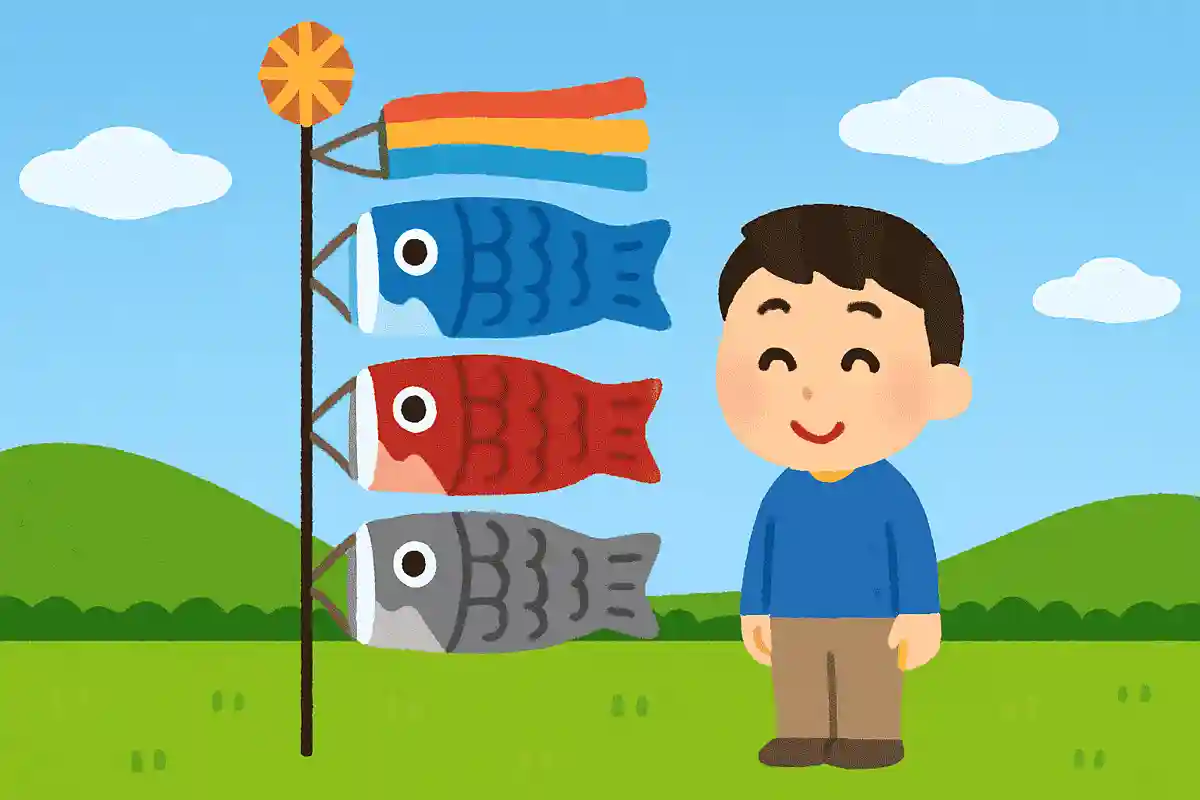
I think many families buy koi-shaped streamers when a baby boy is born, but when you’re choosing ones to display outdoors, it can be hard to decide which material is best.
Basically, koinobori come in nylon and polyester.
Polyester lasts longer—about six to eight years.
It costs a bit more than nylon, but it’s more resistant to water and less prone to fading from sunlight, so if you want to use them for a long time, polyester might be the better choice.
Nylon streamers will last about three years, too.
Koinobori are for Tango no Sekku (the Boys’ Festival) and are distinct from Children’s Day.
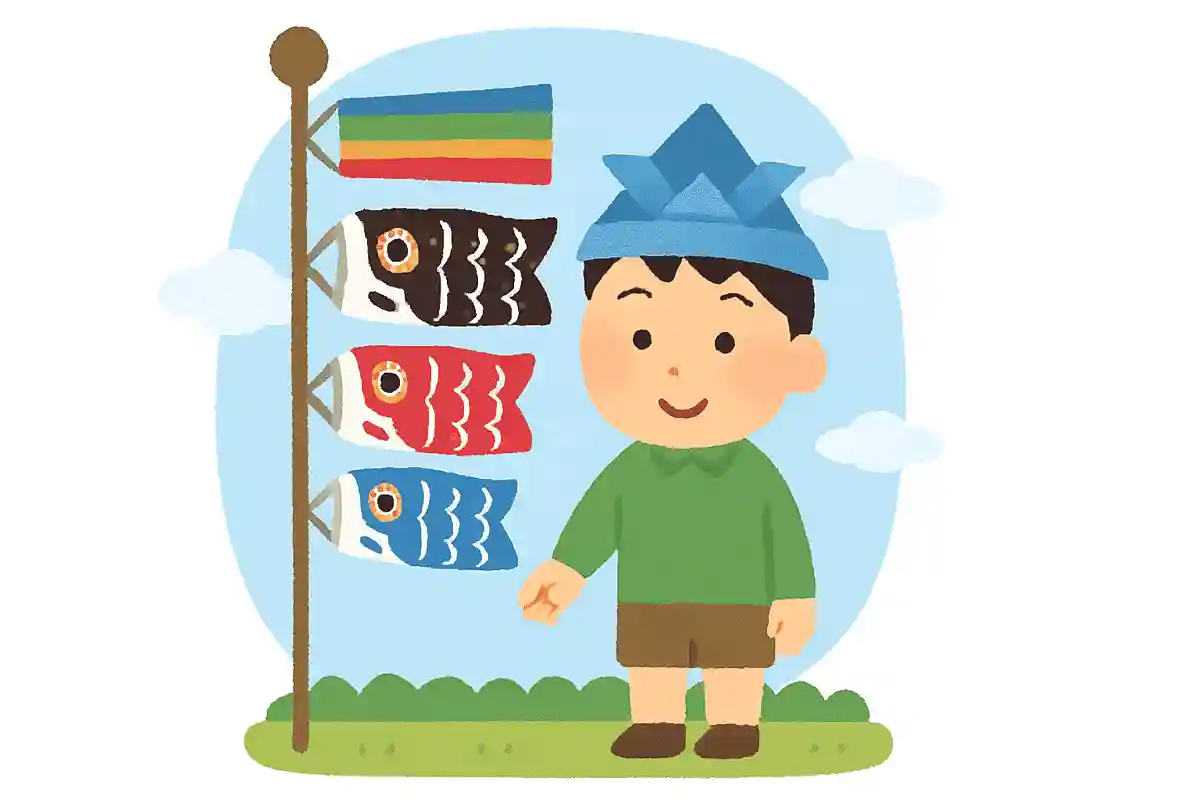
Tango no Sekku (the Boys’ Festival) and Children’s Day both fall on May 5, so they’re often confused.
However, Tango no Sekku is a traditional event that celebrates the birth of boys and prays for their growth, while Children’s Day is a national holiday that celebrates the health and growth of all children regardless of gender.
And koi nobori (carp streamers) are decorations specifically for Tango no Sekku.
In households without boys, people may celebrate Children’s Day but are less likely to display koi nobori, so families with boys might be more prone to mixing the two up.
Since they’re on the same day, some people may not realize they’re different.
Let’s take this opportunity to remember the distinction.
On average, many households stop putting up decorations when their children are around 10 years old.
Koinobori are displayed with the wish that children will grow up healthy, but it seems many families stop putting them up when their children are around 10 years old.
There isn’t a clear rule like “You must stop at such-and-such an age.” However, in Japan there’s a saying that “until age seven, children belong to the gods,” so many families display them at least until age seven.
Some children look forward to the koinobori every year.
In that case, don’t worry about age—go ahead and put them up.