

1970s Female Singer-Songwriters: Popular Songs Ranking [2026]

We’ll be ranking popular songs and hidden gems by female singer-songwriters from the ’70s.
Breakthrough hits by legendary SSWs who are still going strong today will also make an appearance.
It’s a playlist that even younger listeners will find thoroughly satisfying.
- A collection of nostalgic hit songs and classics from the 70s
- A roundup of debut songs by Japanese female artists from the 1970s
- Female Singer-Songwriters of the ’60s: Popular Songs Ranking [2026]
- Top 1980s Female Singer-Songwriters: Popular Songs Ranking [2026]
- [Showa Kayō] A roundup of Japanese love songs that hit in the 1970s
- [70s Western Music] Timeless Masterpieces and Popular Songs by Female Singers
- Classic and hit songs by nostalgic Japanese idols from the 1970s
- Recommended love songs for women in their 70s: A collection of nostalgic love songs
- Heart-touching, tear-jerking masterpieces from the Showa era
- Popular Oldies and Classic Songs Ranking: 1970s Japanese Music
- [Japanese Music] A Collection of Heart-Touching Hit Folk Songs from the 1970s
- Classic and hit Japanese pop songs from the nostalgic 80s
- Commercial songs from the 70s. Nostalgic TV commercial jingles.
1970s Female Singer-Songwriters: Popular Song Rankings [2026] (71–80)
I want to go back to that dayArai Yumi (Matsutoya Yumi)71rank/position

Yumi Matsutoya, who is still active as a singer, had the maiden name Arai before marriage.
A pioneer among female artists in the New Music genre, her song “Ano Hi ni Kaeritai” was released under the name Yumi Arai in October 1975 and became a major hit, reaching No.
1 on the Oricon chart and selling over 600,000 copies.
Late Summer (A Season for One)Arai Yumi72rank/position
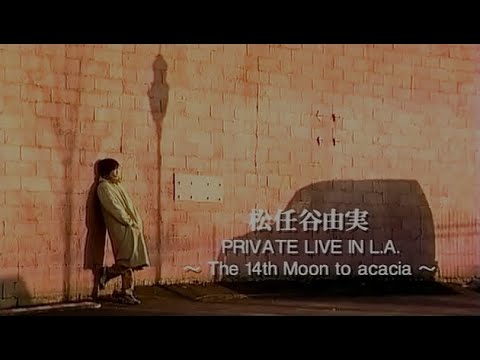
This is a song by Yumi Arai that overlays the changing seasonal scenery with the end of a romance and the beginning of time alone.
The sight of leaves blazing with color and delicate flowers swaying in the wind seems to reflect the protagonist’s loneliness.
The song was included on the album “The 14th Moon,” released under the name Yumi Arai in November 1976, and it also served as the theme song for the NHK dramas “Natsu no Furusato” and “Maboroshi no Budōen.” Its poignant melody—mingling a lingering affection for the summer that has passed with a quiet resolve for the seasons to come—resonates deeply with listeners.
Whether you play it on a drive while reminiscing about summer or during a slightly chilly evening stroll, it will gently keep you company.