

![[Japanese Music] A Collection of Heart-Touching Hit Folk Songs from the 1970s](https://i.ytimg.com/vi/3_AxR3tSkMU/sddefault.jpg)
[Japanese Music] A Collection of Heart-Touching Hit Folk Songs from the 1970s

What kind of songs come to mind when you hear “folk songs”? While folk music has its roots in traditional ballads and ethnic music, it evolved over time into various forms, became widespread, and produced many massive hits known by everyone.
This article focuses on the 1970s—a period when folk songs came to be recognized as popular music and transitioned into what was called “New Music,” and when many legendary singer-songwriters who left their mark on Japanese music history emerged—and compiles classic, blockbuster folk songs from that era.
The youthful inner landscapes sung with beautiful melodies and richly poetic expression are sure to resonate with younger generations as well.
If you’re interested in Showa-era popular songs, be sure to check it out!
[Japanese Music] A Compilation of Soul-Stirring 1970s Folk Song Hits (1–10)
The season the sun gave usaoi sankakujougi
A song that vividly captures the brilliance of youth was released in February 1972 and became a nationwide hit.
Known as the signature song of Aoi Sankakujōgi, it was used as the theme for the NTV youth drama “Tobidase! Seishun,” selling over one million copies.
The lyrics delicately portray the feelings of young people, teaching the importance of facing forward and living alongside friends.
The song has since been covered by various artists, and in 2017 it was also chosen as the ending theme for “Clean Freak! Aoyama-kun.” Its beautiful, moving melody and powerful vocals make it highly recommended for anyone nostalgic for their youthful days.
Journey of the Heartchūrippu

Folk rock that took the world by storm in the 1970s.
Among its many classics, Tulip’s song remains etched in the hearts of many as a masterpiece that weaves together sorrow and hope.
Its lyrics, depicting parting with a loved one and the start of a new journey, resonate deeply with listeners.
Released in 1973, the track became the band’s first major hit, selling around 870,000 copies.
Guitarist Tatsuya Himeno’s sweet vocals are captivating, and its innovative structure—starting directly with the chorus without an intro—is another hallmark.
A song that graces a page of youth, it carries a certain nostalgia while continuing to shine without fading even today.
Please give me wingsakai tori

This is a signature song by Akai Tori, known for its powerful, beautiful harmonies.
It’s a classic that fills you with a fresh, hopeful feeling, like a bird spreading its pure white wings and soaring freely across the sky.
Released in February 1971 as the B-side to the single “Takeda no Komoriuta,” the song has been loved across generations and was even used at the opening ceremonies of both the Nagano and Tokyo Olympics.
For karaoke, we recommend singing it with a clear, expansive voice.
It’s sure to get audiences of all ages—from the young to the elderly—excited.
Be sure to sing it with your own feelings carried in the melody!
Parting at 22kaze

Released in 1975, the debut single by the folk duo Kaze is a deeply moving breakup song written and composed by Shozo Ise.
Its simple guitar tones and Ise’s gentle vocals beautifully capture the poignant feelings of a young woman.
The song was a major hit upon release, topping the Oricon charts for four consecutive weeks.
It has continued to be sung for many years, and in 2005 it was ranked 71st on the NHK Kohaku Uta Gassen white team list, remaining beloved across generations.
The lyrics, which resonate deeply with anyone who has experienced the end of a romance, evoke empathy as they overlap with each listener’s own memories.
Poem of Youthyoshida takurou

A timeless masterpiece that strikes a chord in the heart! It vividly captures the feelings of young people in the 1970s.
Weaving in universal themes like freedom, time, and self-discovery, it conveys the importance of truly savoring the moments of youth.
Featured on Takuro Yoshida’s debut album “Seishun no Uta” (Poem of Youth), it peaked at No.
64 on the Oricon charts at the time.
The folk-style guitar and memorable melody beautifully bring the lyrics’ worldview to life.
Highly recommended for those standing at a crossroads in life or seeking to face themselves.
Words of FarewellKaientai
Amid the lights and shadows of a town at dusk, warm words for those who are leaving resound.
This moving song by Kaientai, while capturing the sadness of parting, gives us the courage to keep moving forward in life.
Released in November 1979, it was used as the theme song for the TBS drama “Mr.
Kinpachi in Class 3B,” and it sparked a huge response.
It’s a song you’ll want to hear at graduations and other life milestones, and it’s highly recommended for anyone about to take a new step.
The lyrics, reflecting Tetsuya Takeda’s own experiences, overflow with deep affection and kindness.
A café in a student districtGaro
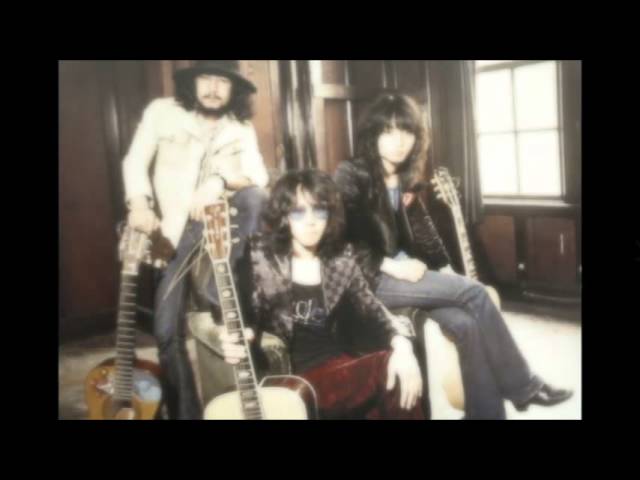
In the 1970s, when folk songs captured people’s hearts as the background music of youth, this work by Garo, released in June 1972, beautifully portrays the inner landscapes of young people with its lovely melody and poetic lyrics.
Set in a coffee shop, the story stirs the listener’s imagination, evoking nostalgia and warmth.
A massive hit, it topped the Oricon Singles Chart for seven consecutive weeks in 1973 and ranked third on the year-end chart.
It’s a song I’d especially recommend to younger listeners interested in folk music.