

Popular Oldies and Classic Songs Ranking: 1970s Japanese Music

We’re excited to present the latest top 100 ranking of nostalgic Japanese pop songs, introduced all at once in order of most views!
We’ve picked out beloved classics that were hits in the 1970s.
Listening again like this, you’ll notice many songs are still enjoying revivals today.
Be sure to check them out.
The playlist is updated every week.
- A collection of nostalgic hit songs and classics from the 70s
- [Showa Kayō] A roundup of Japanese love songs that hit in the 1970s
- [1970s] Collection of Japanese hit songs. Nostalgic masterpieces of Japan
- Nostalgic Japanese hit songs from the 1970s: the golden age of idols and kayōkyoku (Japanese pop songs)
- 1970s Female Singer-Songwriters: Popular Songs Ranking [2026]
- [Classic Showa Kayō Hits] The captivating Showa-era pop songs beloved even by younger generations
- [Recommended for people in their 70s] Songs that really move you. Beloved classic Japanese hits of the past.
- Heart-touching, tear-jerking masterpieces from the Showa era
- [Japanese Music] A Collection of Heart-Touching Hit Folk Songs from the 1970s
- Classic and hit songs by nostalgic Japanese idols from the 1970s
- Nostalgic yet fresh!? Classic masterpieces of Japanese rock from the 1970s and 1980s
- Classic and hit Japanese pop songs from the nostalgic 1960s
- [Today's Recommended Nostalgic Songs] Memories from those days come flooding back! A collection of gem-like classics
Popular Oldies and Classic Songs Ranking [1970s Japanese Music Ranking] (71–80)
Suddenly, SinbadSazan Ōrusutāzu78rank/position

Centered around singer-songwriter Keisuke Kuwata—who has released numerous classic songs as a solo artist—Southern All Stars is a rock band that has long been a top runner in the J-pop scene, and this is their debut single.
Set to a passionate Latin rock groove, the song captivates with lyrics that are sexy yet comical, vividly painting scenes in your mind.
Released as a single in June 1978, it was also featured in a commercial for Asahi Soft Drinks’ Mitsuya Cider.
Despite being their debut, it’s known as one of their signature tracks and is an essential classic in the history of Japanese rock.
The call-and-response in the intro chorus and the refrain is guaranteed to get the crowd going when you try it at karaoke!
At the coffee shopabe shizue79rank/position

Shizue Abe made her debut with a song that left an impression for its beautiful vocals and gave her a pure, delicate image.
Many of her fans were men who seemed to want to support her—perhaps they even felt like they were her boyfriend.
That “everyone’s girlfriend” vibe may have been one of her key appeals.
From the northern innMiyako Harumi80rank/position

Harumi Miyako’s “Kita no Yado Kara” is a smash hit released in 1975.
Composed by Asei Kobayashi with lyrics by Yū Aku, this song is a classic enka masterpiece loved across generations.
The image of knitting a sweater despite having no one to give it to conveys the heroine’s deep lingering attachment and loneliness.
The depiction of being unable to shake off one’s regrets after a breakup, with feelings only growing stronger, is a universal theme that resonates in any era.
It’s a song I’d love for today’s young people to hear as well.
Popular Oldies and Classic Songs Ranking [1970s Japanese Music Ranking] (81–90)
Rainy MidosujiŌyō Fifi81rank/position

A 1971 hit song.
The Ventures have long maintained a distinctive popularity in Japan, and in the 1970s they even produced “Ventures kayō” songs with Japanese lyrics.
That kind of composition, combined with Taiwanese singer Ouyang Fei Fei’s endearingly lisping Japanese, made this track even more captivating.
Message of RougeArai Yumi82rank/position

Known as one of Yumi Arai’s signature songs, this track was released in February 1975.
Lauded for its American pop style, it features prominent artists such as Tatsuro Yamashita and Minako Yoshida on backing vocals.
The piece is characterized by deep emotional expression and delicate melodies, and is interpreted as symbolizing love, longing, and a young girl’s coming of age.
It has been used in various commercials and was featured as an insert song in the 2022 film “Suzume.” It’s a perfect pick for those who want to relax and immerse themselves in music on Halloween night.
FANTASYNakahara Meiko83rank/position
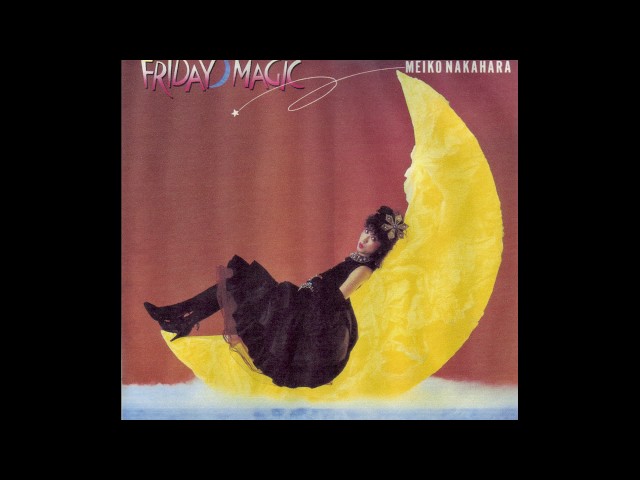
Let me introduce a positive break-up song, “FANTASY.” It’s a track sung by singer-songwriter Meiko Nakahara, included on her second album, “Cinderella Until 2 O’Clock – FRIDAY MAGIC -.” The lyrics portray a woman who, after a breakup, finds her way to a new love.
The song is dance-themed, with a relaxed, groovy sound you can move to.
It’s also a track that lends itself well to adding your own original choreography.

Rainy BlueTokunaga Hideaki84rank/position

This is the major debut single by singer-songwriter Hideaki Tokunaga, who has earned enduring popularity with his distinctive high-tone voice and lyrical singing.
Given how many prominent musicians have covered it, chances are everyone has heard it at least once.
The lingering feelings for an unforgettable, precious person intertwine with the rainy scenery, and Tokunaga’s androgynous, translucent vocals double the sense of poignancy.
Its fragile, beautiful melody soothes a wounded man’s heart, making it a quintessential unrequited-love song.