

Popular Oldies and Classic Songs Ranking: 1970s Japanese Music

We’re excited to present the latest top 100 ranking of nostalgic Japanese pop songs, introduced all at once in order of most views!
We’ve picked out beloved classics that were hits in the 1970s.
Listening again like this, you’ll notice many songs are still enjoying revivals today.
Be sure to check them out.
The playlist is updated every week.
- A collection of nostalgic hit songs and classics from the 70s
- [Showa Kayō] A roundup of Japanese love songs that hit in the 1970s
- [1970s] Collection of Japanese hit songs. Nostalgic masterpieces of Japan
- Nostalgic Japanese hit songs from the 1970s: the golden age of idols and kayōkyoku (Japanese pop songs)
- 1970s Female Singer-Songwriters: Popular Songs Ranking [2026]
- [Classic Showa Kayō Hits] The captivating Showa-era pop songs beloved even by younger generations
- [Recommended for people in their 70s] Songs that really move you. Beloved classic Japanese hits of the past.
- Heart-touching, tear-jerking masterpieces from the Showa era
- [Japanese Music] A Collection of Heart-Touching Hit Folk Songs from the 1970s
- Classic and hit songs by nostalgic Japanese idols from the 1970s
- Nostalgic yet fresh!? Classic masterpieces of Japanese rock from the 1970s and 1980s
- Classic and hit Japanese pop songs from the nostalgic 1960s
- [Today's Recommended Nostalgic Songs] Memories from those days come flooding back! A collection of gem-like classics
Popular Oldies and Classic Songs Ranking [1970s Japanese Music Ranking] (21–30)
Beyond the GoodbyeYamaguchi Momoe29rank/position

A gemlike ballad by Momoe Yamaguchi that portrays parting and gratitude on a grand scale.
Though it runs over six minutes, its expansive arrangement and deeply expressive vocals blend beautifully, stirring the listener’s heart.
Released in August 1980, this work came out just before Yamaguchi’s retirement, and at her final concert at the Nippon Budokan that October, many remember her singing it through tears.
While it conveys the impermanence that nothing lasts forever, it also suggests hope for new beginnings.
It is a song that deeply resonates with those who have experienced a farewell with someone dear or who find themselves at a turning point in life.
Asakusa KidBīto Takeshi30rank/position

A classic song set in the downtown neighborhoods of the Showa era, portraying youthful dreams and friendship.
Beat Takeshi’s distinctive storytelling style and the simple yet deeply moving melody are truly captivating.
Included on the August 1986 album Asakusa Kid, this piece is said to have been born on the location set of the film Yasha.
Covers by various artists—such as Masaharu Fukuyama and Masaki Suda—also drew attention.
It’s a warm, inspiring anthem that I hope reaches those chasing their dreams or standing at a crossroads in life.
Ranking of Popular Oldies and Classic Songs [1970s Japanese Music Ranking] (31–40)
Listening to OliviaAnri31rank/position

On a night of heartbreak, Anri’s ‘Listening to Olivia’ gently nestles close to the heart—a masterfully finished ballad that hardly feels like a debut single.
Lyrics and composition are by Ami Ozaki.
Sipping jasmine tea while reflecting on a past love—the mature worldview pairs exquisitely with Anri’s luminous, transparent vocals.
The song’s urban, sophisticated aura can be seen as a starting point for her later city pop direction.
On a night weighed down by sorrow, why not take the time to listen to this song?
TouchIwasaki Yoshimi32rank/position

Classic Showa-era songs are trending on Instagram.
Yoshimi Iwasaki’s track was released in 1985 as an anime opening theme.
The lyrics, interweaving the ache of heartbreak with deep affection, resonate with listeners.
It’s included on the album “Touch,” which also features other anime-related songs.
There’s also a fun tidbit: until 1986, it was categorized as a children’s song.
Blending nostalgia with freshness, this piece is recommended for anyone who wants to relive their youth or savor the Showa vibe.
Use this song in an Instagram Reel for a wonderfully nostalgic post.
The Day the Seagulls FlewWatanabe Machiko33rank/position
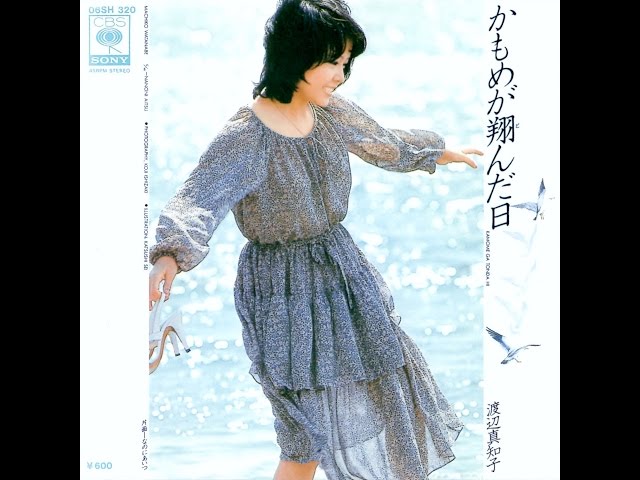
Set in a port town, this gem of a ballad poignantly portrays the pain of heartbreak.
Against the glittering morning seascape, the singer overlays her feelings for a departing lover onto a single seagull, creating a moving masterpiece.
Released in April 1978, it became one of Machiko Watanabe’s signature songs, peaking at No.
5 on the Oricon charts.
The track won numerous music awards and drew attention to her as a rising talent among female singers.
In 2007, it was adopted as a Chiba Lotte Marines cheer song, with a special stadium version also released.
A performance by Japan’s dance team Avantgardey, featuring their unique choreography, garnered significant buzz and boosted the song’s recognition among younger audiences.
It’s a recommended listen for anyone who can relate to a woman quietly accepting the pain of lost love, or for those who wish to revisit youthful memories alongside the scenery of a harbor town.
foreignerKUBOTA Saki34rank/position

“So you only ever see me as someone just passing by….” Foreign Visitor (Ihōjin) poetically captures a woman’s wistful, unrequited love.
Released in 1979 as singer-songwriter Saki Kubota’s debut single, the song’s enigmatic lyrics can make it hard to recognize at first listen as a love song—perhaps one of the charms of Showa-era romance music.
On top of that, it features meticulous compositional craft, shifting from a darker verse to a bright key change in the chorus.
Give it multiple listens and savor the profound depth of Showa kayō!

SWEET MEMORIESMatsuda Seiko35rank/position

Seiko Matsuda is known as a representative idol of the 1980s and is still an active and prolific singer-songwriter today.
Originally included as the B-side to her 14th single “Glass no Ringo” (Glass Apple), this song became widely popular after being featured in a Suntory CAN Beer commercial.
With lyrics by Takashi Matsumoto and music by Haruomi Hosono, it was released in August 1983.
The lyrics, which look back on a past romance and sing of its bittersweet pain and beauty, resonate deeply with listeners.
Expressing the feeling of overcoming the pain of heartbreak and accepting the past as a sweet memory, it stands as an emotional ballad emblematic of the Showa era.