

1990s Male Singer-Songwriters: Popular Song Rankings [2026]

Isn’t it in the 1990s that singer-songwriters began covering a wider range of musical genres and self-composed songs seemed to become the mainstream?
From among the many timeless masterpieces born in the ’90s, we’re highlighting popular tracks—focusing especially on those by male singer-songwriters—and presenting them in a ranking.
- Ranking of Popular Songs by Japanese Male Singers from the 1990s [2026]
- [J-Pop] Debut songs by male solo artists from the 1990s
- Top Male Singer-Songwriter Hits of the 1980s: Ranking [2026]
- Male Singer-Songwriters of the 2000s: Popular Song Ranking [2026]
- Iconic ballads of 90s J-pop: nostalgic mega-hits and fan favorites
- Classic and hit J-pop songs from the nostalgic ’90s
- Singer-Songwriter/Artist Rankings of the 1980s [2026]
- Classic and hit songs by nostalgic Japanese bands from the 1990s
- Ranking of Popular Songs by Female Singer-Songwriters of the 1990s [2026]
- Best Songs and Popular Tracks by Male Singer-Songwriters: 2026 Rankings
- Popular Nostalgic Songs: J-Pop Ranking [1990s Japanese Music Ranking]
- A roundup of hit love songs from the ’90s
- Tear-jerking J-pop from the ’90s. Hit songs and real tearjerkers.
1990s Male Singer-Songwriters: Popular Songs Ranking [2026] (11–20)
countrysideTamaki Kōji15rank/position

A signature song by Koji Tamaki, whose powerful vocals resonate in the heart.
Released as a single in July 1996, it was also used as the theme song for Fuji TV’s Thursday drama “Coach.” The lyrics, imbued with Tamaki’s profound sentiments, gently teach us the importance of living.
It’s a wonderful track that lets you feel the beauty of life through everyday moments and encounters with others.
Loved by many as a cheering song that gives you the courage to overcome any hardship.
Perfect for getting pumped up with friends at karaoke or listening to when you feel like you’re about to break.
This piece will surely give you the strength to keep looking forward and walking ahead.
LA LA LA Love SongKubota Toshinobu16rank/position
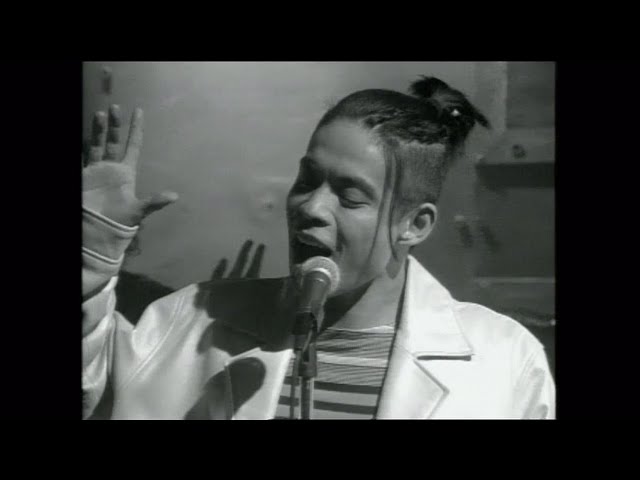
It’s a sweet and heartrending love song that’s vivid enough to wake you up.
Like a carousel, it spins with ever-turning feelings of love, expressed through a catchy melody that lingers in your ears.
Beginning with the two taking shelter from the rain in the city, this sweet romance paints their memories with cinematic clarity and gently sings of their deepening love.
It’s a wonderful classic that leaves listeners with an impression of eternal romance.
Released as a single in May 1996, it drew attention as the theme song for the Fuji TV drama “Long Vacation.” As one of Toshinobu Kubota’s signature works, featuring Naomi Campbell, it’s a refined track with a strong R&B flavor.
Many listeners may find it brings back memories of their youth.
Make it a slow boogie (I want you)Minami Yoshitaka17rank/position

Released in 1981, Yoshitaka Minami’s “Suro na Boogie ni Shite Kure (I want you)” is a song distinguished by lyrics characteristic of Japanese kayōkyoku.
The content—“I want you”—has a straightforward, kayōkyoku-style line that gives it a slightly nostalgic feel.
On top of that, the whole track has a bluesy tone, which pairs perfectly with Minami’s sultry vocals to create a sweet atmosphere.
You don’t hear many blues-tinged songs like this these days, so it should feel very fresh even to listeners of the younger generation!

Easy★RiderOkuda Tamio18rank/position
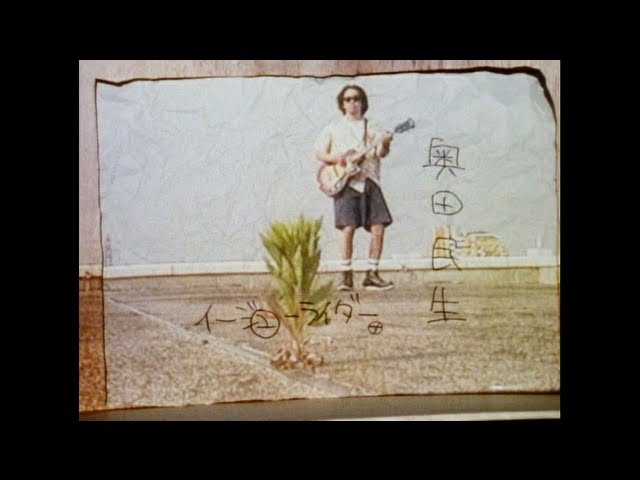
A classic song with a refreshing vibe that evokes the liberating feeling of summer.
It’s a track by singer-songwriter Tamio Okuda, released in June 1996 as his sixth single.
It was also featured in a Nissan ‘Wingroad’ commercial.
The lyrics, which celebrate a free-spirited journey unconstrained by calendars or destinations, leave a strong impression.
For this reason, it’s often used as background music in variety travel shows.
It’s a perfect song for a weekend drive.
BoyhoodInoue Yosui19rank/position

The moment that beautifully wistful piano intro begins, a flood of nostalgic scenes unfolds before your eyes—this is one of those timeless classics.
Released as a single by Yosui Inoue in September 1990, it was written as the theme song for the film “Childhood Days.” Though it portrays the melancholy of summer fading away, its universal nostalgia transcends seasons and resonates deeply during times of graduation and farewell as well.
In 1991, it also drew attention as the song used in Sony’s “Handycam” commercial, and over a long period after its release, it achieved million-seller status.
The world woven by its beautiful Japanese lyrics and melody is irresistible for adults who find themselves looking back on their youth.
It’s a standard number I hope those embarking on new beginnings will listen to, alongside memories that never fade.
Tonight is Boogie BackOzawa Kenji feat. Suchadarapaa20rank/position

A classic song that represents 1990s J-pop is finding new popularity on TikTok.
This collaboration between Kenji Ozawa and Scha Dara Parr is a groundbreaking track that fuses hip-hop and J-pop.
The lyrics, which capture the vibe of a nighttime dance floor and the thrill of a party, resonate across generations.
Released on March 9, 1994 by Toshiba EMI, the song was also used as the theme for Fuji TV’s “Tamori no Super Vocabulary Heaven.” With its light, upbeat rhythm, it perfectly conveys the joy of the nighttime party scene, making it an ideal track for anyone looking to energize the dance floor.
1990s Male Singer-Songwriters: Popular Songs Ranking [2026] (21–30)
Burnin’X’masT.M.Revolution21rank/position

Set to a passionate melody, Takanori Nishikawa’s powerful vocals light up winter nights.
The lyrics, portraying the heartache of a man swept up in love, are sure to resonate deeply with listeners.
The contrast between the fiery sound and the bittersweet words is captivating.
Released in October 1998 as T.M.Revolution’s first Christmas song, this track sold 492,000 copies despite having no tie-in.
It’s also included on the album “The Force,” with various versions to enjoy.
It’s a perfect song to energize a Christmas party or to keep you company on a solitary winter night.