

![1990s Male Singer-Songwriters: Popular Song Rankings [2026]](https://i.ytimg.com/vi_webp/BqFftJDXii0/maxresdefault.webp)

Isn’t it in the 1990s that singer-songwriters began covering a wider range of musical genres and self-composed songs seemed to become the mainstream?
From among the many timeless masterpieces born in the ’90s, we’re highlighting popular tracks—focusing especially on those by male singer-songwriters—and presenting them in a ranking.
- Ranking of Popular Songs by Japanese Male Singers from the 1990s [2026]
- [J-Pop] Debut songs by male solo artists from the 1990s
- Top Male Singer-Songwriter Hits of the 1980s: Ranking [2026]
- Male Singer-Songwriters of the 2000s: Popular Song Ranking [2026]
- Iconic ballads of 90s J-pop: nostalgic mega-hits and fan favorites
- Classic and hit J-pop songs from the nostalgic ’90s
- Singer-Songwriter/Artist Rankings of the 1980s [2026]
- Classic and hit songs by nostalgic Japanese bands from the 1990s
- Ranking of Popular Songs by Female Singer-Songwriters of the 1990s [2026]
- Best Songs and Popular Tracks by Male Singer-Songwriters: 2026 Rankings
- Popular Nostalgic Songs: J-Pop Ranking [1990s Japanese Music Ranking]
- A roundup of hit love songs from the ’90s
- Tear-jerking J-pop from the ’90s. Hit songs and real tearjerkers.
1990s Male Singer-Songwriters: Popular Song Rankings [2026] (1–10)
One more time,One more chanceYamazaki Masayoshi1rank/position

Masayoshi Yamazaki’s signature song, released in 1997, is a bittersweet yet beautiful ballad.
The yearning for lost love gently seeps into the listener’s heart, carried by Yamazaki’s soaring vocals.
Used as the theme song for the film “The Moon and a Cabbage,” it remained popular for many years thereafter.
It peaked at No.
18 on the Oricon Weekly Singles Chart and achieved the remarkable feat of staying on the charts for 24 weeks.
With its delicate, solo-accompanied melody, the song evokes not only a sense of loss but also a glimmer of hope for the future.
It surely gives voice to the feelings held in the hearts of many.
I won’t fall in love anymore.Makihara Noriyuki2rank/position
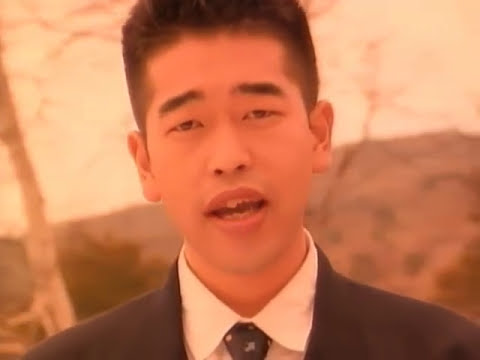
A gem-like ballad that delicately portrays the pain of heartbreak and the hope of taking a new step forward.
Noriyuki Makihara’s gentle vocals tenderly envelop the protagonist’s complex feelings as they struggle to accept a breakup with their lover.
While carefully depicting the loneliness and confusion felt in everyday life, it also resonates with the positive resolve hidden behind the words “I won’t fall in love anymore.” Released in May 1992, the song was used as the theme for the drama “After the Children Are Asleep,” reaching No.
2 on the weekly Oricon chart and No.
7 for the year.
It’s a song that stands as emotional support, accompanying you through the healing process of a broken heart.
OH MY LITTLE GIRLOzaki Yutaka3rank/position

This is the 14th single by singer-songwriter Yutaka Ozaki, who earned overwhelming support as a youth icon and whose untimely death at 26 sent shockwaves through the public.
Originally included on his debut album “Seventeen’s Map,” it was re-released as a single 11 years later and became a massive hit, selling over a million copies despite being issued posthumously.
Its gentle melody, delivered with vocals that seem to lay emotions bare, makes you feel that the immense presence of Yutaka Ozaki continues to live on in the hearts of his fans.
Frequently tied in with TV dramas and films, and widely covered by numerous artists, it stands as Yutaka Ozaki’s biggest hit.

Love Story Comes SuddenlyOda Kazumasa4rank/position

A classic by Kazumasa Oda that delicately portrays the subtleties of romance.
Released in February 1991, this song drew major attention as the theme for the Fuji TV drama “Tokyo Love Story.” The lyrics poignantly sing of the moment when a chance encounter changes fate, leaving a deep impression on many hearts.
The instrumental version was effectively used as background music in the drama, heightening the impact of its climactic scenes.
It’s a recommended track for those who want to feel both the sweetness and the ache of love at the same time.
Wrapped in Oda’s gentle vocals, why not imagine your own beautiful love story?
Sorrow like snowHamada Shogo5rank/position

The 14th single by the solitary singer-songwriter Shogo Hamada, who continues to assert his unique worldview and presence with strongly protest-tinged messages and rock sounds that remain faithful to Japanese.
Chosen as the theme song for the TV drama “Ai to Iu Na no Moto ni,” it was also released as his 23rd single.
With a deep, husky vocal and richly layered choral work, it’s an irresistibly catchy number.
Especially for those familiar with the drama, its rollercoaster-like plot will overlap with the song and likely bring you to tears.
Although originally released in 1981, it remains unfaded to this day—an immortal classic in J-Pop.
HOT LIMITT.M.Revolution6rank/position

This work is known as one of T.M.Revolution’s signature songs.
Released in the summer of 1998, it features a driving, exhilarating sound and Takanori Nishikawa’s powerful vocals.
The lyrics, which capture the freedom of summer and youthful passion, resonated with many listeners.
The song gained further popularity when it was used in a Mitsuya Cider commercial.
It has continued to be beloved over the years, later serving as the ending theme for the 2016 TV anime ReLIFE and as the song for a heating and cooling system commercial in 2021.
In the music video, the distinctive outfits and the choreography in the chorus make you want to try copying them.
It’s the perfect track for enjoying the hot season, whether you’re on a summer drive or having a seaside BBQ.
By the time of the Christmas carolsInagaki Junichi7rank/position

This is the 27th single by singer-songwriter Junichi Inagaki, who debuted with the catchphrase “Super Pop Vocal” and is active not only as a singer but also as a drummer.
The song was used as the theme for the TV drama Homework.
Although it’s widely known as a classic Christmas song, did you know that the timeline in the lyrics is actually not set in winter? The theme of a couple in a stagnant phase taking some distance and each reflecting on their future is heart-wrenching, even for those who haven’t had such an experience.
With its melancholic melody that evokes vivid scenes, it’s a sentimental number.