

1990s Male Singer-Songwriters: Popular Song Rankings [2026]

Isn’t it in the 1990s that singer-songwriters began covering a wider range of musical genres and self-composed songs seemed to become the mainstream?
From among the many timeless masterpieces born in the ’90s, we’re highlighting popular tracks—focusing especially on those by male singer-songwriters—and presenting them in a ranking.
- Ranking of Popular Songs by Japanese Male Singers from the 1990s [2026]
- [J-Pop] Debut songs by male solo artists from the 1990s
- Top Male Singer-Songwriter Hits of the 1980s: Ranking [2026]
- Male Singer-Songwriters of the 2000s: Popular Song Ranking [2026]
- Iconic ballads of 90s J-pop: nostalgic mega-hits and fan favorites
- Classic and hit J-pop songs from the nostalgic ’90s
- Singer-Songwriter/Artist Rankings of the 1980s [2026]
- Classic and hit songs by nostalgic Japanese bands from the 1990s
- Ranking of Popular Songs by Female Singer-Songwriters of the 1990s [2026]
- Best Songs and Popular Tracks by Male Singer-Songwriters: 2026 Rankings
- Popular Nostalgic Songs: J-Pop Ranking [1990s Japanese Music Ranking]
- A roundup of hit love songs from the ’90s
- Tear-jerking J-pop from the ’90s. Hit songs and real tearjerkers.
1990s Male Singer-Songwriters: Popular Songs Ranking [2026] (41–50)
HIGH PRESSURET.M.Revolution43rank/position

Now widely known as a stoic, muscular persona and active as both a voice actor and an actor, Takanori Nishikawa’s solo project T.M.Revolution is a household name.
Speaking of T.M.Revolution’s summer songs, you can’t leave out “HIGH PRESSURE,” released in 1997.
With playful lyrics, the dazzling sound characteristic of Daisuke Asakura, and a catchy melody delivered by Nishikawa’s powerful vocals, it’s an undeniable classic.
The music video—shot on an elaborate set with an unforgettable impact—also became a hot topic at the time.
Incidentally, the winter anthem “WHITE BREATH” was released the same year.
It really drives home just how unstoppable T.M.Revolution was during that period.

Dictatorship -monopolize-T.M.Revolution44rank/position

This is the debut single of the solo project T.M.Revolution, launched with Takanori Nishikawa—who had made his major debut as the vocalist of the visual kei band Luis-Mary—under the production of music producer Daisuke Asakura.
The song was used as the opening theme for the variety show “Shukan Stamina Tengoku,” and despite being a debut track, it already exudes a fully formed presence with its powerful vocals and crystalline synth sound.
Moreover, the release date—May 13, 1996—fell on a “Butsumetsu” day and on the 13th, considered unlucky in the West, further underscoring its defiant stance.
A thrilling number that marked the beginning of Takanori Nishikawa’s journey as a solo artist.

My First Kissanshin papa45rank/position

This is the theme song of Fujiko F.
Fujio’s masterpiece, Kiteretsu Daihyakka—a track so distinctive that its quirky vocal effects have inspired countless imitators.
It’s a truly “kiteretsu” (bizarre/clever) approach, which is part of its charm, but the lyrics are what truly shine.
It also carries a slightly wistful atmosphere, making it a tear-jerking anime song.
With adorable spoken lines in the middle, it stands out as one of the most memorable tracks among the many great songs from Kiteretsu Daihyakka.

Before dawnSuga Shikao46rank/position

This is the seventh single by Shikao Suga, chosen as the CM song for Seiko’s “LUKIA.” While overflowing with pop and catchy appeal, it also blends his signature funk elements in an exquisite balance.
Among his releases, this work was the last to be issued as an 8cm single.
A hill where summer begins to showDaisuke47rank/position
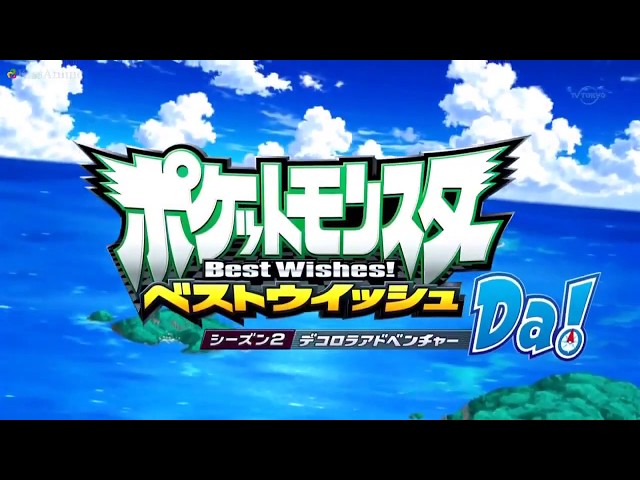
This is a refreshing, fast-paced song by singer-songwriter Daisuke that feels wonderfully pleasant to listen to.
It combines the excitement of the start of summer with a fleeting sense of poignancy that appears in quiet moments.
The lyrics paint scenes of sloping streets, sunsets, and fireworks that spring vividly to mind, almost like your own memories.
Released in July 2013 as his seventh single, the track served as the opening theme for the anime Pokémon: Best Wishes! Season 2: Decolora Adventure and the movie Genesect and the Legend Awakened.
Even now, its heart-thumping melody line is unforgettable.
It’s a song you’ll want to play on a summer drive or on a night when you want to sink into a slightly sentimental mood.
Shot by a TIME showerKubota Toshinobu48rank/position

Toshinobu Kubota’s “Time Shower ni Utarete” is a track released in 1986 that, for its time, boldly incorporated many elements of soul and funk.
Its appeal lies in how its sound anticipated the R&B boom that would later spread, led by artists like Hikaru Utada.
The slightly laid-back vocal delivery also differed from conventional kayōkyoku, evoking the polished feel of Western R&B.
It’s remarkable that such a forward-thinking genre was emerging in the mainstream during that era!

Young BloodsSano Motoharu49rank/position

“Young Bloods” is a pop song by singer-songwriter Motoharu Sano with an addictive rhythm.
Created as the theme song for the International Youth Year established by the United Nations, it’s remembered for the episode in which its royalties were donated as charity funds to aid refugees in Africa.
The song’s charm lies in Sano’s vocals and the backing performance, which give you the energy to dash toward a shining future.
Both are top-notch, resulting in a remarkably avant-garde sound even within the realm of kayōkyoku (Japanese popular songs).